
5 Things to Know About Intensive Outpatient Care and How It Works
Intensive Outpatient Care

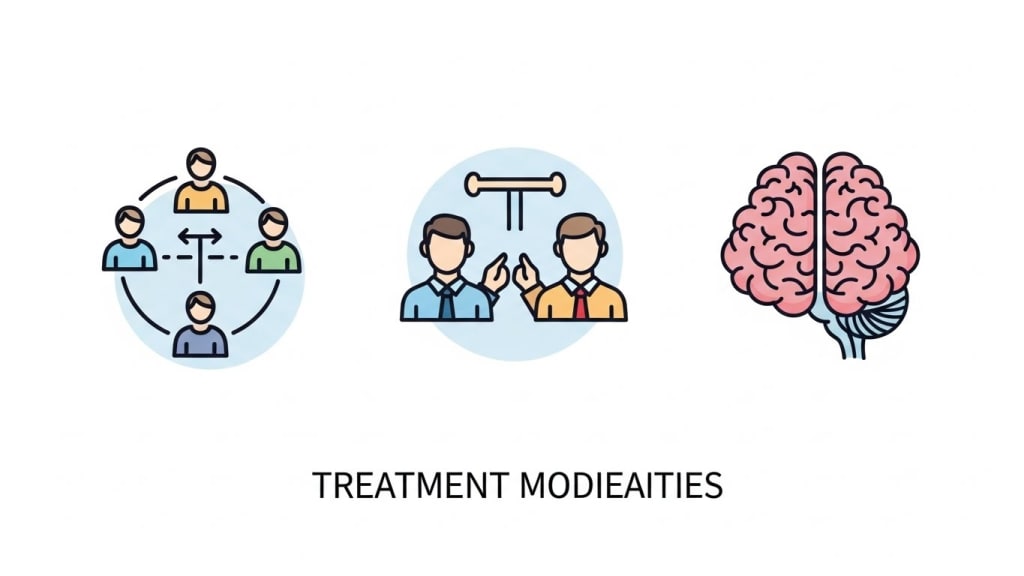
Intensive outpatient care has become an important treatment option for individuals seeking support for substance use or mental health challenges without entering residential treatment. This level of care offers structured therapy while allowing people to maintain daily responsibilities such as work, school, and family life.
Understanding how intensive outpatient care works and who it is designed for can help individuals make informed decisions about their recovery journey. Below are five essential things to know about intensive outpatient care and how it supports long term healing.
1. Intensive Outpatient Care Offers Structured Support Without Residential Stay
One of the most important aspects of intensive outpatient care is that it provides consistent, structured treatment without requiring individuals to live at a treatment facility. Participants attend scheduled therapy sessions multiple days per week while continuing to live at home.
This structure allows individuals to receive professional support while remaining connected to their real world environment. For many people, this balance encourages accountability and helps them practice recovery skills in everyday situations.
Intensive outpatient care is often recommended for individuals who are medically stable but need more support than traditional outpatient therapy provides.
2. Treatment Is Built Around Evidence Based Therapies
Intensive outpatient programs rely on clinically proven therapies that address both behavior and emotional health. These therapies are designed to help individuals understand the root causes of their challenges and develop healthier coping strategies.
Common therapy approaches include:
- Individual counseling focused on personal goals
- Group therapy to build peer support
- Cognitive behavioral therapy to change harmful thought patterns
- Skill building sessions for stress management and emotional regulation
The combination of individual and group therapy creates a comprehensive treatment experience that supports personal insight and shared learning.
3. Intensive Outpatient Care Supports Real Life Integration
Unlike inpatient treatment, intensive outpatient care allows individuals to remain actively involved in their daily routines. This is a major benefit for people who want to continue working, caring for family members, or attending school while in treatment.
Because participants return home after sessions, they can immediately apply what they learn in therapy to real situations. This helps strengthen coping skills, improve decision making, and reduce the gap between treatment and everyday life.
Many individuals searching for iop programs near me value this ability to recover while maintaining personal responsibilities and independence.
4. Programs Are Personalized to Individual Needs
No two recovery journeys are the same. Intensive outpatient care programs are typically tailored to meet each individual’s specific needs, challenges, and goals.
During intake, clinicians assess factors such as mental health history, substance use patterns, stressors, and support systems. Based on this information, a customized treatment plan is created.
Personalized care may include adjustments to therapy frequency, focus areas such as trauma or anxiety, and coordination with psychiatric services when necessary. This individualized approach improves engagement and long term outcomes.
5. Intensive Outpatient Care Often Serves as a Step in Ongoing Recovery
Intensive outpatient care can play different roles depending on where someone is in their recovery process. For some individuals, it serves as a step down from inpatient or residential treatment. For others, it acts as a step up from traditional outpatient therapy when more structure is needed.
In many cases, intensive outpatient care is part of a broader continuum that includes:
- Detox or stabilization if required
- Intensive outpatient treatment
- Standard outpatient therapy
- Aftercare planning and ongoing support
People researching iop programs near me often benefit from understanding how this level of care fits into a long term recovery plan rather than viewing it as a standalone solution.
How Intensive Outpatient Care Helps Prevent Relapse
Relapse prevention is a key focus of intensive outpatient care. Through consistent therapy, individuals learn to recognize triggers, manage cravings, and develop healthy routines.
Group discussions allow participants to share experiences and learn from others facing similar challenges. This peer support reduces isolation and reinforces motivation.
In addition, clinicians help individuals create relapse prevention plans that outline strategies for managing stress, avoiding high risk situations, and seeking help when needed.
The Importance of Aftercare Following Intensive Outpatient Treatment
Completing an intensive outpatient program is a major milestone, but recovery continues beyond formal treatment. Aftercare planning is essential for maintaining progress.
Aftercare may include ongoing therapy, support groups, lifestyle changes, and continued accountability. Programs that emphasize aftercare help individuals transition smoothly into independent recovery while staying connected to support systems.
Long term success is more likely when individuals view intensive outpatient care as one phase of an ongoing commitment to wellness.
Final Thoughts
Intensive outpatient care offers a flexible yet structured approach to recovery that supports both personal responsibility and professional guidance. By providing evidence based therapy, real life integration, and individualized treatment plans, this level of care helps individuals build lasting skills for emotional health and sobriety.
Understanding how intensive outpatient care works allows individuals and families to choose treatment options that align with their needs, goals, and daily responsibilities. When approached as part of a long term recovery journey, intensive outpatient care can be a powerful step toward sustainable healing.
Frequently Asked Questions
1. Who is a good candidate for intensive outpatient care?
Individuals who are medically stable and need structured therapy without residential treatment often benefit from intensive outpatient care.
2. How many hours per week does intensive outpatient care require?
Programs vary, but most involve several therapy sessions per week lasting multiple hours per day.
3. Can intensive outpatient care treat mental health conditions?
Yes, many programs address co-occurring mental health concerns such as anxiety, depression, and trauma.
4. What happens after completing an intensive outpatient program?
Most individuals transition into outpatient therapy, support groups, and aftercare services to maintain recovery.
About the Creator
Jordan Blake
Jordan Blake is a medical content writer focused on mental health and addiction recovery, delivering research-driven, reader-friendly healthcare content.
Keep reading
More stories from Jordan Blake and writers in Humans and other communities.
How to Find the Right Intensive Outpatient Program in Your Area
Finding the right mental health or addiction treatment can feel overwhelming, especially when balancing recovery with work, family, and daily responsibilities. For many individuals, an intensive outpatient program (IOP) offers the structure and clinical support they need without requiring full-time residential care. Understanding how to evaluate and choose the right program is an important step toward long-term recovery.
By Jordan Blake4 days ago in Humans
Minnesota and Illinois Invoke the 10th Amendment in Lawsuits to Block Federal Agents in Their Cities — Here’s Why That Matters
States Push Back Against Federal Enforcement Minnesota and Illinois have launched high-profile lawsuits invoking the 10th Amendment of the US Constitution in an effort to block or limit the actions of federal agents—particularly immigration enforcement officers—operating within their cities. The legal challenges mark a significant escalation in the long-running conflict between state governments and Washington over who has the authority to enforce immigration laws and how far federal power can reach.
By Aarif Lashari2 days ago in Humans



Comments
There are no comments for this story
Be the first to respond and start the conversation.