
Donald Trump and Mayor Eric Adams' Stance on Immigration Policy and Food Vouchers: A Strategy or Coincidence?
Is this duo commenting on a quid pro quo

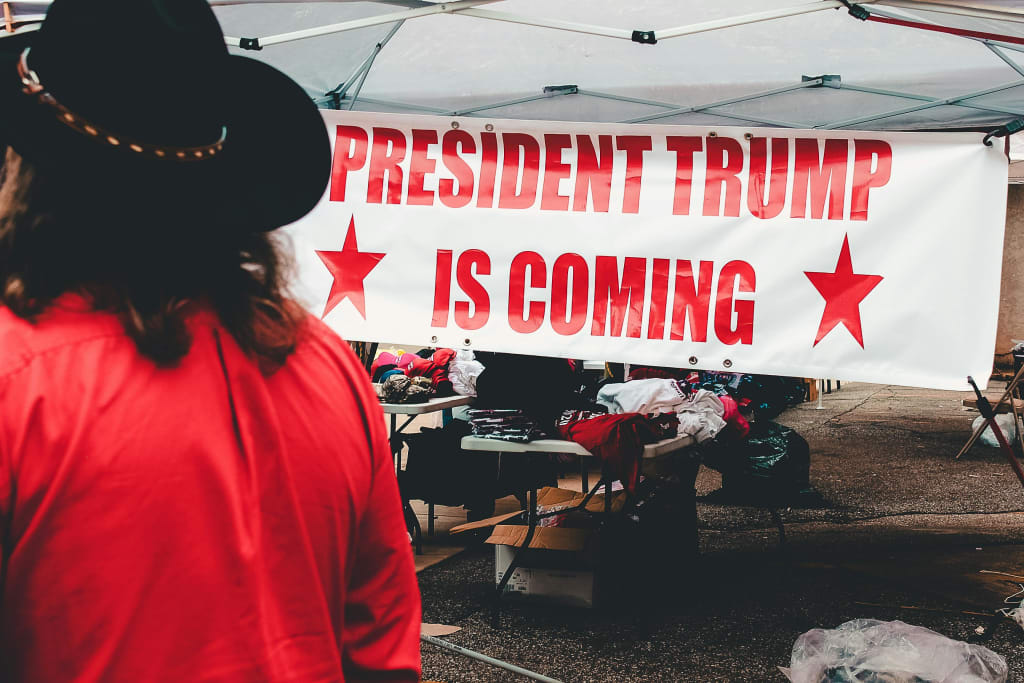
The immigration debate in the United States has resurfaced with renewed intensity, particularly as discussions arise around potential changes to food assistance programs for undocumented immigrants. President-elect Donald Trump and New York City Mayor Eric Adams, despite coming from opposing political spectrums, have both been vocal about immigration policy reform. Recently, reports suggest that Adams and Trump might consider ending food voucher programs for immigrants, sparking questions about the motivations behind such a policy change. For Mayor Adams, some speculate that this stance on immigration may be a strategy to distance himself from legal issues or potential allegations that could otherwise lead to severe consequences.
Donald Trump’s Immigration Policy: A Background
Donald Trump has made immigration reform a hallmark of his political identity. Throughout his presidency, he championed stricter border controls, advocated for policies to reduce undocumented immigration, and focused on the idea of “America First” when it came to distributing resources. His proposed policies included building a border wall, imposing restrictions on asylum claims, and implementing a “Remain in Mexico” policy for asylum seekers. Trump’s rhetoric on immigration often focused on national security, economic impact, and a need to prioritize American citizens in welfare and employment opportunities.
As part of his vision, Trump argued that resources intended for American citizens should not be diverted to undocumented immigrants. For Trump, tightening immigration policies and restricting welfare access to undocumented immigrants is seen as necessary to protect taxpayer resources and to discourage illegal immigration. Many of his supporters see these policies as fair and necessary, believing that immigrant support programs, including food vouchers, create incentives for illegal immigration.
Mayor Eric Adams’ Stance on Immigration and Food Vouchers
Eric Adams, the mayor of New York City, has historically taken a more moderate stance on immigration compared to some Democrats, often voicing his support for immigrant communities. However, the sheer volume of migrants entering New York City has placed unprecedented strain on the city’s resources, leading Adams to reconsider his approach. New York City, a sanctuary city, has provided temporary shelter and food assistance to migrants, but the mounting pressure on social services has created logistical and financial concerns.
Recently, Adams has suggested scaling back some forms of assistance, such as food vouchers, for undocumented immigrants. This stance is a departure from his usual progressive positions, and it has led to speculation about whether Adams’ motivations are purely practical or whether other factors may be influencing his approach. Some critics believe that Adams' decision might not only be about resource allocation but could also relate to his own political and legal survival.
Legal Troubles and Speculation Around Adams’ Motivations
Mayor Adams has recently faced scrutiny and controversy over alleged missteps in office. Although not officially charged, his name has appeared in discussions around investigations related to campaign finance, handling of city contracts, and other alleged indiscretions. For political analysts, this shift in stance on immigration might signal a potential strategy by Adams to appeal to a wider voter base, or to align with law-and-order perspectives that may appease his critics.
Furthermore, his perceived collaboration or alignment with Trump’s immigration stance has raised questions about whether it could be part of a broader political play to gain favor among conservative or moderate voters, or even among law enforcement officials. Some critics suggest that Adams’ position could be influenced by a desire to avoid repercussions for alleged legal issues, as aligning with stricter immigration policies could be seen as a move to gain public favor and offset negative press.
What Would Ending Food Vouchers Mean for Immigrants and Citizens?
If a decision to end food vouchers for undocumented immigrants goes through, the policy shift would have immediate and far-reaching effects on immigrant communities, especially in urban areas like New York City. Food vouchers and other forms of welfare have provided essential support to many undocumented immigrants who otherwise lack access to employment or financial resources. Removing these programs could potentially lead to food insecurity among immigrant families and impact the well-being of children and other vulnerable individuals within these communities.
On the other hand, proponents of this policy argue that such measures are necessary to protect the city’s strained resources and ensure that assistance programs prioritize citizens and legal residents. From this perspective, Adams’ stance aligns with Trump’s belief that immigration reform must include re-evaluating how resources are allocated and making difficult choices to ensure sustainability. By reducing available support for undocumented immigrants, proponents believe that the city can alleviate pressure on social services and redirect resources toward infrastructure, housing, and other essential services for citizens.
Public Perception and Political Impact
The decision to restrict food vouchers for undocumented immigrants has sparked a polarized response from the public. For those who believe in strict immigration reform, this policy represents a necessary step toward responsible governance, with the view that local and national resources should be reserved primarily for American citizens. Trump’s supporters see this as a win for conservative values and fiscal responsibility, while Adams’ more moderate supporters might view his shift as a pragmatic response to a resource crisis in New York City.
Conversely, immigrant rights advocates argue that denying food vouchers to undocumented immigrants is an unjust policy that will only exacerbate food insecurity and create more suffering within vulnerable communities. Critics claim that using undocumented immigrants as a target to divert attention from political issues or personal legal troubles is ethically questionable, especially when it involves basic humanitarian needs like food.
A Complex Political Landscape
The reported collaboration or alignment between Donald Trump and Eric Adams on immigration and welfare policies has opened a new chapter in the immigration debate. For Trump, the decision to restrict assistance aligns with his long-standing policies and caters to his base, which values strict immigration controls. For Adams, however, this shift is more complex, as it raises questions about the motivations behind his change of stance, including speculation about his political survival and potential legal issues.
In any case, the outcome of this policy decision will impact not only undocumented immigrants but also American citizens, taxpayers, and voters. Whether this approach is a strategy for survival or a genuine response to an immigration and resource crisis, its effects on communities, local economies, and political alliances will be felt for years to come.
About the Creator
In Conspiracy We Trust
Examining and exploring conspiracy theories and facts.Let's talk about it. All articles are thoughts, speculative and alleged.
Keep reading
More stories from In Conspiracy We Trust and writers in Humans and other communities.
President Donald Trump Pardons Diddy: What This Means for the Music Mogul and the Legal Landscape
What would it look like if former President Donald Trump and now President-elect to grant a pardon to renowned music mogul Sean "Diddy" Combs? This would spark widespread media attention and discussions across both the music and political spheres. A move like this, which could be met with surprises by many, could raise questions about the power of presidential pardons and their impact on public figures and their legacies.
By In Conspiracy We Trustabout a year ago in Criminal
Autonomy Is The Real Privilege
Good morning, freedom-seekers! Today we’re gonna be looking at autonomy. A strange word, I know; one many would probably look at blankly and run away from on sight. We’re gonna figure out what it actually means, consider how it’s achieved, and decipher just how deeply most of us are tangled up in dependence without realising it.
By That ‘Freedom’ Guyabout 9 hours ago in Humans




Comments
There are no comments for this story
Be the first to respond and start the conversation.