
Book Review: Zero Waste Home by Bea Johnson
A blog about Bea Johnson's ideas in her book "Zero Waste Home".

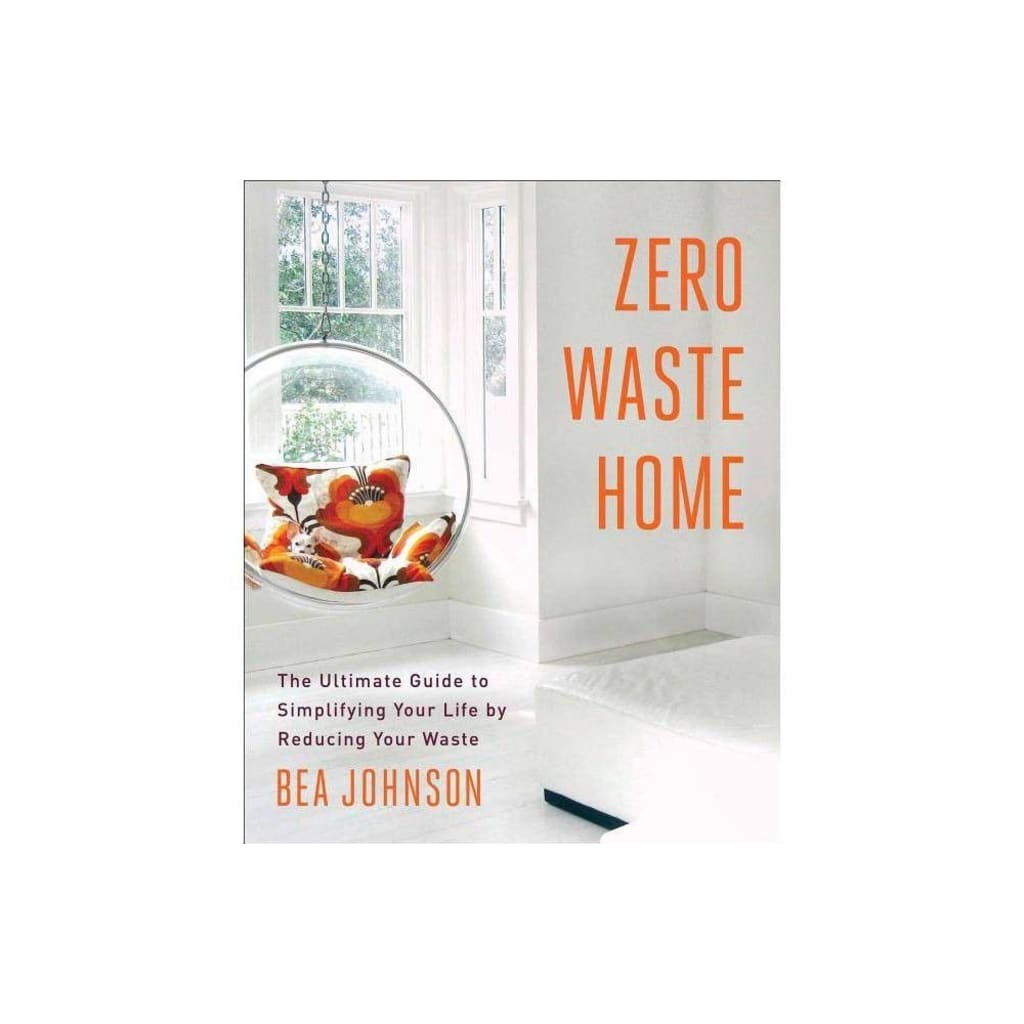
Whether you are trying to reduce your environmental impact or you just want to learn more about what you can do to protect the planet, you will find a wealth of information in this awesome "Zero Waste Home" book by Bea Johnson. From reducing your energy and noise pollution to preventing deforestation, you will learn how to make your home more sustainable.
The goal behind Zero Waste Home is simple: be as waste-free as possible by following the various tips and tricks contained within the book's pages. But there's no reason why you shouldn't expect more out of this book than just learning how to reduce your trash amount. By reading this book, you can change the way you shop and live – and be better off for it.
Reducing waste at home
Knowing how much we could be doing to help out our planet is daunting, but no one can deny that we should at least try our best. The things that Zero Waste Home suggests are within the reach of every single person, so it's never too late to get started.
Taking steps to reduce waste at home can benefit you and the environment. You can save money, improve your emotional well-being, and reduce your carbon footprint. The process of reducing waste can be as simple as reusing items and purchasing reusable items instead of disposable ones.
Buying products made with recycled materials can help lower waste volumes and can make your home more aesthetically appealing. A good rule of thumb is to opt for products with minimal packaging and durable finishes.
Buying reusable items can dramatically cut waste in your kitchen. For example, use a yogurt tub instead of a plastic jug. The same goes for plastic and aluminum cans.
Buying items in bulk can also save you money. Many building materials are recyclable. You can buy bulk items at your local grocery store or your local independent store.
If you need to make a trip to the grocery store, make a list. This way, you won't end up with a few items that you forgot to buy.
Preventing deforestation
Taking action to combat deforestation is important to preserve the environment. One great way to do this is to go to zero waste. Using these 4 steps can help you achieve this goal.
- The first thing you should do is decide to change. Then, you should figure out why it is important to do so. If you know why you're going to change, it will be easier to make the decision.
- You will have to decide what items you need in your house. Men are usually responsible for household decisions, but women are often in charge of what is needed inside.
- Another thing you should do is purchase things in bulk. This will help you reduce your waste and save money. It also helps you to conserve water and soil. You can also recycle the items you don't use.
- Another thing you should do is to get rid of junk mail. It is easy to transfer junk mail to a recycling bin. But it takes time and energy.
Reducing energy use
Increasing energy efficiency in your home can make a positive impact on the environment. Not only will you benefit from the savings, but you'll also help to improve the air quality in your home and reduce pollution.
Energy efficiency refers to the practice of using specific products that are designed to use less energy. You can start by switching to energy-efficient light bulbs. You will save up to 90% on your energy bill when you switch from incandescent light bulbs to energy-efficient bulbs. You can also use smart power strips that turn off when you are not using them.
Energy efficiency is important because you can make a difference by making small adjustments to your daily routine. For example, you may not realize how much energy you are using by opening the door to your refrigerator. But if you open the door only once a week, you are wasting more than half a gallon of energy.
Reducing noise pollution
Often overlooked, noise pollution is a serious environmental issue. This pollution has harmful impacts on human health, as well as on plants and animals. It can cause hearing loss, heart attacks, sleep disturbance, and more.
Noise pollution is caused by vehicles, construction equipment, electrical machinery, concerts, and more. It can also impact animal and marine life.
It can also disrupt sleep, communication, and reproduction. Many plants and animals use sound for navigation, and noise pollution can alter their behavior.
Noise pollution also hurts nearby vegetation, including trees. Vegetation in urban settings can absorb acoustic energy and diffuse noise.
It is important to consider environmental risks when planning a city. Cities can minimize traffic noise, route freight trucks, and choose electric buses. They can also enforce illegal vehicle modifications and enforce penalties for traffic violations.
Cities can also reduce noise by implementing building codes that require acoustical insulation and insulation on walls and floors. They can also limit gasoline-powered lawn equipment and domestic power tools in residential areas.
Conclusion
After reading Zero Waste Home, I was inspired to make some changes in my own life—which on the whole weren't nearly as drastic as what the Johnsons have undertaken. However, I was able to identify numerous minor lifestyle tweaks that we could all make collectively to positively impact the environment, and that's what made this book so valuable.
Bea Johnson presents her case for living a more sustainable lifestyle honestly and persuasively. Even if you don't agree with every single one of her tips and tricks, you'll agree with her message: waste is bad for our planet, and we can do something about it.
Zero Waste Home is an inspiring, practical book. It's easy to read, and Bea Johnson's enthusiasm for her topic is undeniable. I highly recommend it, especially for apartment dwellers who want to downsize their footprint in a big way. This book will empower you to start living in a way that is less wasteful, healthier for you and your family, and maybe even more fun.
About the Creator
Susan Wise
I am an essay-writing and speaking self-publisher. Words and article critique are my passion. We are astonished by the number of people connected and empowered by Social Media.
Keep reading
More stories from writers in Humans and other communities.
Autonomy Is The Real Privilege
Good morning, freedom-seekers! Today we’re gonna be looking at autonomy. A strange word, I know; one many would probably look at blankly and run away from on sight. We’re gonna figure out what it actually means, consider how it’s achieved, and decipher just how deeply most of us are tangled up in dependence without realising it.
By That ‘Freedom’ Guyabout 14 hours ago in Humans
Why so Little is Known About Pakistan’s Shanzeh Ali, the New Member of Nawaz Sharif’s Family?
In mid‑January 2026, Pakistan’s political and social media landscapes were set ablaze with photographs and commentary surrounding the wedding of Junaid Safdar, son of Punjab Chief Minister Maryam Nawaz Sharif and grandson of three‑time former Prime Minister Nawaz Sharif. The bride, Shanzeh Ali — now officially part of one of Pakistan’s most influential political families — became the subject of intense interest. Yet despite the buzz, many Pakistanis are puzzled: **Why is so little known about her?**
By Salaar Jamaliabout 13 hours ago in Humans



Comments
There are no comments for this story
Be the first to respond and start the conversation.