
Yevgeny Prigozhin: A Threat to Democracy?
Examining the Power and Reach of Putin's Alleged Ally"
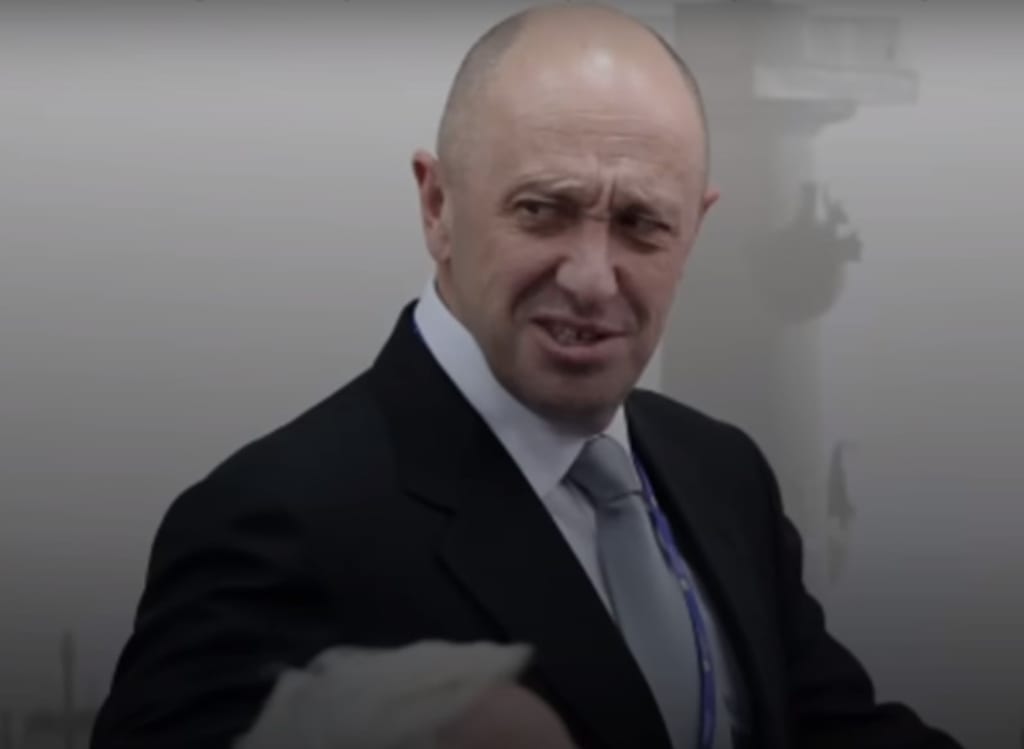
Yevgeny Prigozhin, a Russian businessman often referred to as "Putin's chef," has garnered significant power and notoriety in recent years. Known for his close association with Russian President Vladimir Putin, Prigozhin's rise to prominence and the perceived danger he poses can be attributed to a combination of factors that have shaped his trajectory.
Prigozhin's journey to power began with his successful catering business. He established Concord Catering, which eventually became one of the largest catering companies in Russia. Through this venture, he provided services not only to private clients but also to government institutions. His ability to cater to the Russian government and military marked the beginning of his close ties with influential figures in the country.
One of the key elements contributing to Prigozhin's power and influence is his involvement in military contracts. Over the years, his businesses have secured lucrative contracts with the Russian Ministry of Defense, supplying food to the armed forces. This connection to the military has further solidified his position and allowed him to forge even stronger bonds with the government.
Prigozhin's ventures, however, extend beyond the realm of catering. He is believed to be the mastermind behind the Wagner Group, a notorious private military contractor composed of Russian mercenaries. The Wagner Group has been involved in various conflicts, including Ukraine, Syria, and Libya, where they have often supported Russian interests. This paramilitary force operates with a degree of deniability, allowing Prigozhin to exert influence in regions of strategic importance to Russia.
In addition to his military endeavors, Prigozhin has been associated with the Internet Research Agency (IRA), a Russian troll farm engaged in spreading disinformation and propaganda on social media platforms. The IRA's activities have been aimed at influencing public opinion, both within Russia and abroad. Notably, during the 2016 U.S. presidential election, the IRA played a role in disseminating misleading information and sowing discord. The extent of Prigozhin's direct involvement in the IRA's operations remains unclear, but his association with this disinformation campaign has raised concerns about the potential impact on democratic processes and stability.
The rise of Yevgeny Prigozhin cannot be detached from his political connections. He is known to have close ties to the Russian government and is believed to be a personal friend of President Putin. These connections provide Prigozhin with a significant level of protection and access to resources that further empower his various endeavors. Such political support has undoubtedly played a crucial role in his ascent to power and influence.
Despite his growing influence, Prigozhin has faced international scrutiny and legal actions. The United States and the European Union have imposed sanctions on him for his alleged involvement in malicious activities, including election interference and human rights abuses. These sanctions serve as a testament to the perceived danger he poses to democratic systems and global stability.
However, it is important to note that Prigozhin's exact role and the full extent of his activities can be challenging to determine definitively. His operations often operate within a complex web of deniability, making it difficult to trace direct responsibility for certain actions back to him.
Yevgeny Prigozhin's rise to power and the perceived danger he represents can be attributed to his strategic alliances, military connections, involvement in disinformation campaigns, and political associations. While his activities have drawn international scrutiny and condemnation, the true extent of his power and influence remains a subject of debate and investigation. As events unfold, it is imperative for global actors to closely monitor and address the potential threats posed by individuals such as Prigozhin to protect the integrity of democratic processes and international stability.
About the Creator
Keep reading
More stories from Décio António Benjamim Verão and writers in History and other communities.
Political Survival at Stake
Introduction: The relationship between Alexander Lukashenko, the long-standing president of Belarus, and Vladimir Putin, the president of Russia, has been marked by a palpable sense of fear on Lukashenko's part. This fear can be attributed to a variety of factors, including historical context, power dynamics, economic dependence, and political survival. By delving deeper into these aspects, we can gain a comprehensive understanding of why Lukashenko fears Putin.
By Décio António Benjamim Verão3 years ago in History
A Crisis of Power, Politics, and the People
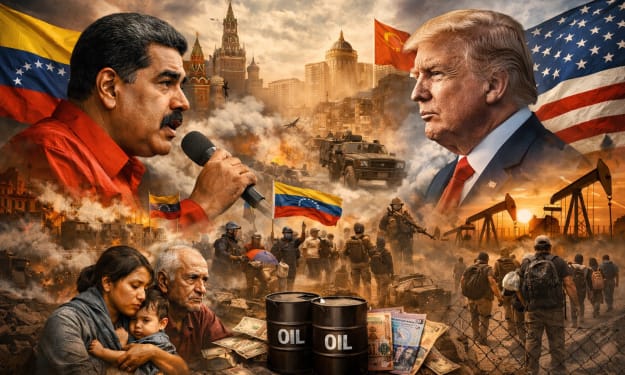
The relationship between Venezuela and the United States remains one of the most complicated political dynamics in the Western Hemisphere. Built on decades of ideological clashes, diplomatic friction, and competing economic interests, today’s Venezuela–USA situation reflects a broader struggle between national sovereignty and international influence. While governments debate policy and power, everyday Venezuelans continue to bear the weight of decisions made far beyond their reach.
By Muhammad Islam khan swati7 days ago in History
An unidentified female dynasty is revealed in a tomb with the biggest collection of beads in the world.
The Montelirio Tholos Tomb is a vaulted building located beneath the present-day town of Valencina de la Concepción in Southwestern Spain that has the remains of residents who lived there between 2875 and 2635 BCE.
By Francis Dami9 minutes ago in History
Ludacris and Nelly draw backlash over bookings at MAGA-coded music festival
Ludacris and Nelly headlining a mostly right-wing event is good for them. It’s also great for the genre of hip hop. The two rap veterans have showcased their talents on other stages. Why can’t they perform for mostly MAGA folks and grab that bag?
By Skyler Saunders4 days ago in Beat



Comments
There are no comments for this story
Be the first to respond and start the conversation.