

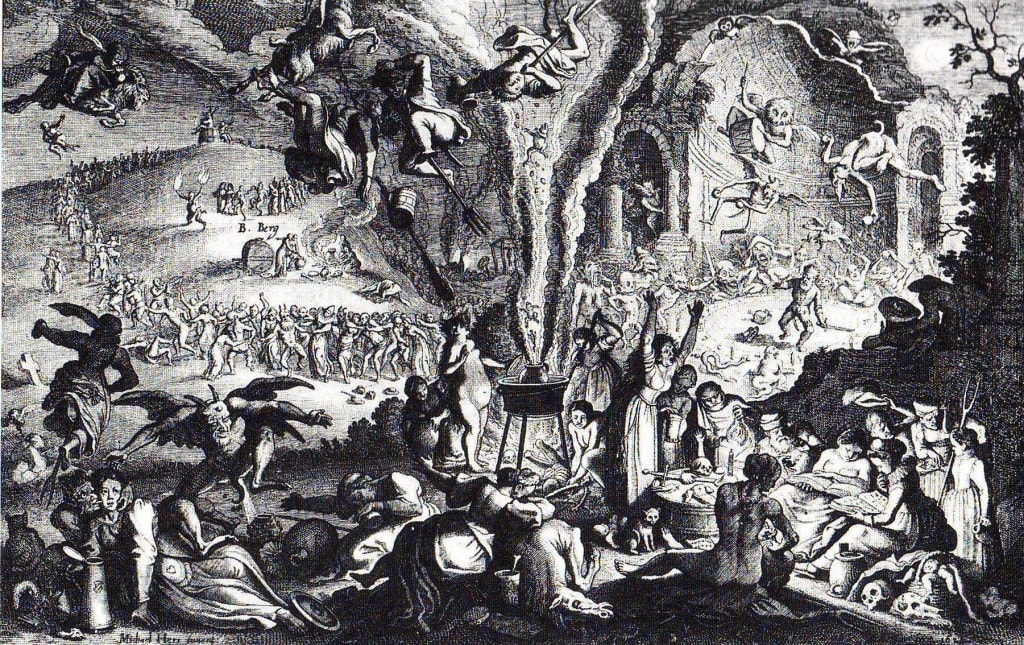
The small village of Zugarramurdi, located in the Basque region of Spain, is known for its dark and intriguing history related to witches and witchcraft. This remote village, nestled in the Pyrenees mountains, gained notoriety during the Spanish Inquisition in the 17th century due to its alleged involvement in witchcraft and witch trials. The history of Zugarramurdi and its association with witches is a fascinating tale of fear, superstition, and persecution.
The origins of Zugarramurdi's association with witchcraft can be traced back to the 16th century, when rumors and suspicions of witchcraft practices began to circulate in the region. The isolated and rugged terrain of the Basque country made it a fertile ground for the proliferation of folk beliefs and superstitions. Zugarramurdi's residents were deeply rooted in Basque mythology and had a rich tradition of folklore and pagan rituals.
In the late 16th century, a series of unfortunate events and crop failures further fueled the fears of the villagers, leading them to search for scapegoats to explain their misfortunes. This climate of fear and uncertainty provided the perfect backdrop for the witch hunts that would follow.
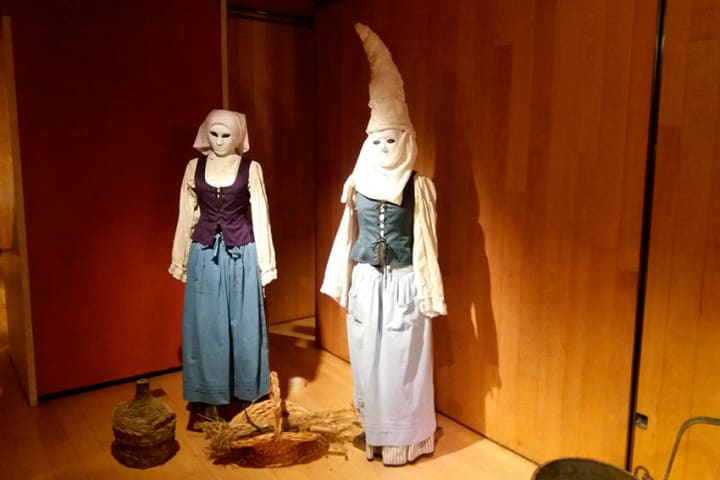
The most infamous event in Zugarramurdi's history related to witchcraft is the Akelarre of 1610. Akelarre, a Basque term meaning "Sabbath," referred to the gatherings of alleged witches and warlocks. On the night of November 7, 1610, authorities arrested a group of local women and accused them of practicing witchcraft, attending Akelarres, and making pacts with the devil. These arrests triggered a wave of hysteria, with villagers denouncing their neighbors and family members as witches under the threat of torture and persecution.
The accused witches were subjected to horrific torture methods, including the infamous "water test" in which suspected witches were bound and thrown into water to determine their guilt. If they floated, they were considered witches; if they sank and drowned, they were deemed innocent (though, of course, they lost their lives in the process). Many innocent people perished under these brutal interrogations.
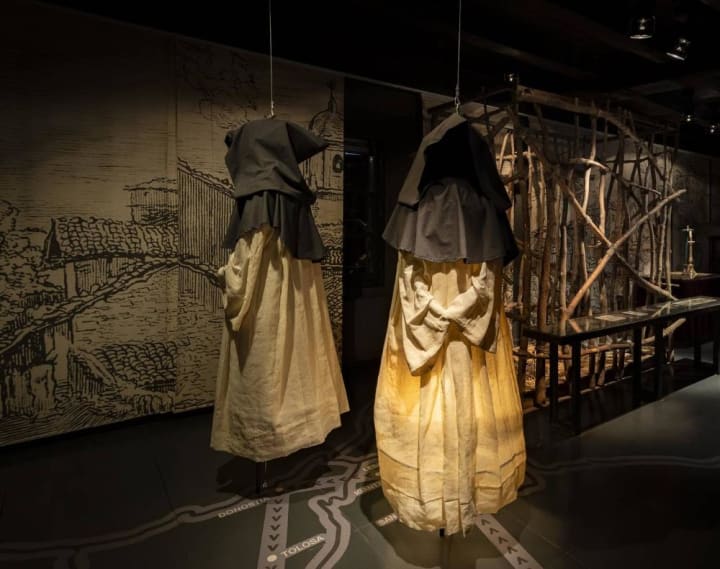
In the end, numerous villagers were executed as a result of these trials, and many others faced imprisonment, torture, and confiscation of their property. The trials of Zugarramurdi were part of a broader European witch-hunt phenomenon that swept across the continent during the early modern period.
However, the trials in Zugarramurdi eventually came to an end, and the hysteria subsided. By the late 17th century, the Enlightenment era brought about a more rational and scientific approach to understanding natural phenomena, leading to a decline in witch trials across Europe. The belief in witches and witchcraft began to wane, and Zugarramurdi's dark chapter gradually faded into history.
Today, Zugarramurdi has transformed into a picturesque and peaceful village known for its lush landscapes, charming architecture, and a museum dedicated to its witchcraft history. The museum, called the "Museum of Witchcraft and the Inquisition," offers visitors a glimpse into the village's past, with exhibits detailing the trials, the accused, and the superstitions of the time.
In recent years, Zugarramurdi has embraced its witchcraft history as a unique aspect of its heritage, organizing events and festivals that celebrate its folklore and traditions. These events help preserve the memory of the past while shedding light on the irrationality and cruelty of the witch hunts.
In conclusion, Zugarramurdi's history of witches and witchcraft is a haunting reminder of the dark period of witch hunts that swept across Europe during the early modern era. The village's association with witch trials and persecution is a testament to the power of fear, superstition, and ignorance. Today, Zugarramurdi stands as a place where history, folklore, and modernity converge, offering a chance to reflect on the past while appreciating the beauty of the present.
While Zugarramurdi's past is marred by the persecution of alleged witches, there has been a notable shift in recent times towards a more enlightened perspective on witchcraft. The 21st century has witnessed a resurgence of interest in witchcraft, albeit in a radically different form from the witch hunts of old.
In this new era of witchcraft, there is a growing community of individuals who identify as modern witches, practicing various forms of contemporary witchcraft or Wicca. These practices often emphasize spirituality, nature, and empowerment, rejecting the negative stereotypes associated with historical witch hunts. Zugarramurdi, once synonymous with witch trials, has now become a place where some come to reconnect with these ancient traditions in a more positive light.
Visitors to Zugarramurdi can now explore not only the grim history of witch trials but also the resurgence of modern witchcraft. The village has become a hub for those interested in exploring alternative spiritual paths and embracing the mystical aspects of life. Festivals and gatherings centered around witchcraft, paganism, and the occult have gained popularity, attracting both practitioners and curious seekers from around the world.
The Museum of Witchcraft and the Inquisition in Zugarramurdi has adapted to this changing landscape, featuring exhibits that not only delve into the village's dark history but also highlight the contemporary revival of witchcraft. It showcases the tools, beliefs, and rituals of modern witches, providing insight into their diverse and evolving practices.
In the modern era, witchcraft has taken on a more inclusive and empowering role, championing gender equality, environmental consciousness, and personal growth. Many see it as a means of connecting with the natural world, tapping into their inner strength, and fostering a sense of community.
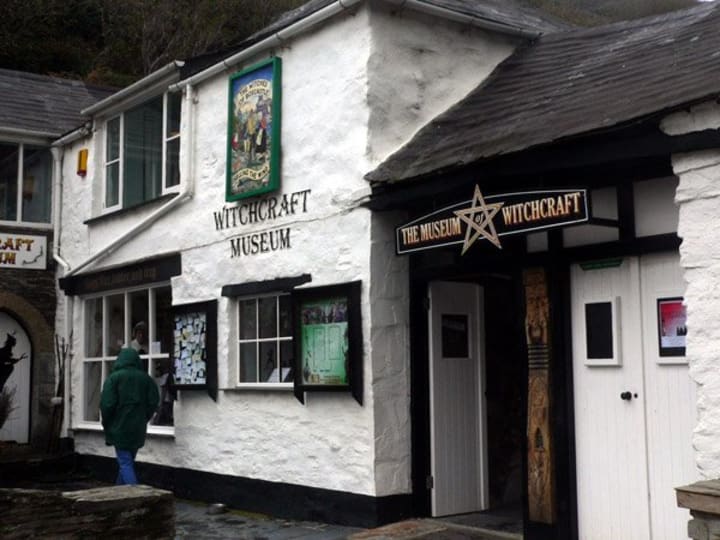
In this new era of witchcraft, Zugarramurdi has transitioned from a place of fear and persecution to one of curiosity, acceptance, and celebration. It serves as a living testament to the evolving nature of human beliefs and the resilience of traditions that have endured through centuries of transformation.
As visitors explore the winding streets of Zugarramurdi and its surrounding natural beauty, they are reminded not only of the village's troubled past but also of the power of human adaptability and the enduring allure of the mystical and the magical. In this embrace of the past and the present, Zugarramurdi's history continues to evolve, weaving together the threads of witchcraft's dark legacy and its vibrant contemporary resurgence.
About the Creator
Alex T
Writer, designer. Working on cartoon animation.
3 Everyday Rules That Exist Because Someone Once Did Something Very Stupid
Everywhere you go, you are surrounded by rules that feel oddly specific. Do not touch. No running. Contents hot. Do not insert body parts. These warnings aren’t theoretical. They weren’t written by pessimists or lawyers with too much free time. They exist because at some point in history, a real human being looked at a situation and thought, “This will probably be fine.”
By Enoch Sagini2 days ago in History


Comments
There are no comments for this story
Be the first to respond and start the conversation.