
Slavery in Russia
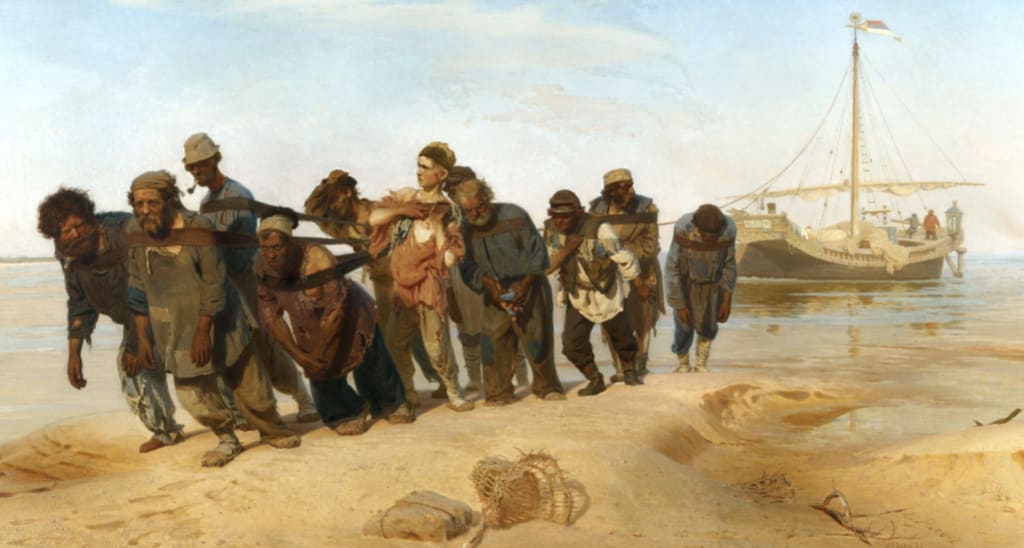
Tracing the Layers of Slavery's Impact in Russia

Tracing the Layers of Slavery's Impact in Russia
Introduction
The history of slavery in Russia, while often overshadowed by other regions' more prominent narratives, reveals a complex and multifaceted reality that has left a profound impact on the nation's development. From ancient practices to the intricacies of serfdom, Russia's involvement in various forms of enslavement has shaped its societal structure, economy, and cultural consciousness. Examining this history offers us a glimpse into the nuanced tapestry of power dynamics, human rights struggles, and efforts towards social transformation.
Ancient Origins and Kholops
The roots of slavery in Russia can be found in the ancient practice of enslaving prisoners of war. These individuals, known as "kholops," were treated as property and subjected to forced labor, serving as a valuable source of manpower for various tasks. This practice laid the foundation for a system where social hierarchy was based on ownership, creating disparities that would resonate for generations.
Medieval Expansion and Enslavement
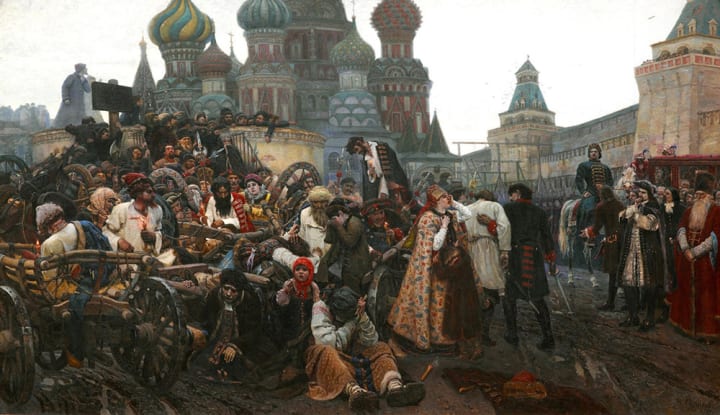
The medieval period witnessed the expansion of the Russian Empire, often at the expense of indigenous populations. The conquest of new territories, particularly in Siberia and the Caucasus, brought enslavement to the forefront. Indigenous peoples, such as the Circassians, were subjected to the horrors of forced labor, displacement, and cultural assimilation. This marked the fusion of economic exploitation with cultural suppression, reshaping the societal fabric of the empire.
The Rise of Serfdom
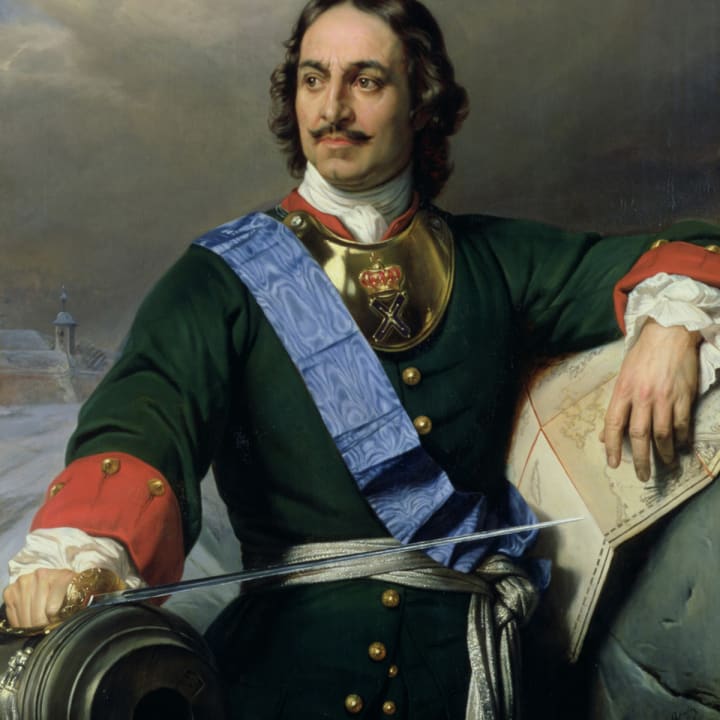
The introduction of serfdom further complicated the landscape of slavery in Russia. During the reign of Peter the Great, the Petrine Reforms aimed to modernize the country by emulating Western European practices. Paradoxically, this era also witnessed the tightening of serfdom's grip, as landowners gained even more control over the lives of their serfs. This confluence of reforms and continued exploitation underscored the challenges faced by those entrapped in the system.
Peter the Great played a pivotal and intricate role in reshaping the landscape of slavery within Russia. His reign was not only marked by sweeping reforms that modernized various facets of the nation, but it also witnessed a profound transformation in the dynamics of servitude and bondage.
Under Peter's visionary leadership, Russia underwent a seismic shift in its societal structure. The winds of change, driven by his relentless pursuit of progress, wrought a new era that extended beyond conventional boundaries. As the nation surged towards modernity, Peter recognized the need to recalibrate the very foundation upon which Russian society was built.
The story of Peter's impact on slavery in Russia is a profound narrative of unintended consequences and intricate intentions. It serves as a testament to the intricate interplay between power, progress, and the human experience, reminding us that historical transformations are seldom monolithic, but rather a mosaic of intricacies that continue to shape our understanding of the past.
Emancipation and Its Aftermath
The 19th century brought a watershed moment in Russia's history: the emancipation of serfs in 1861 under Tsar Alexander II. Intended to address economic disparities and prevent social unrest, this move heralded a new era. However, the aftermath was far from straightforward. The transition from servitude to freedom was riddled with difficulties. Many former serfs faced land shortages, limited economic opportunities, and continued discrimination, reflecting the deep-seated impacts of centuries of exploitation.
Uncovering the Legacy
The legacy of slavery in Russia continues to influence contemporary society, shaping the country's social, economic, and cultural dynamics. While efforts have been made to confront this history, the widespread acknowledgment of its effects remains a work in progress. The stories of those who endured enslavement and exploitation remain integral to understanding the multifaceted narrative of Russia's past.
A Call for Acknowledgment
Addressing the history of slavery in Russia demands more than just historical inquiry; it requires a collective effort to acknowledge and reckon with the past. Initiatives such as memorial sites, educational programs, and public discourse are crucial in shedding light on this history and its implications for the present and future.
Conclusion
The history of slavery in Russia is a complex mosaic that spans centuries, intertwining with economic development, power dynamics, and human rights struggles. From the kholops of antiquity to the complex system of serfdom, this history reveals the intricate interplay between exploitation and societal transformation. Confronting this history is an essential step towards fostering a more inclusive and equitable society—one that recognizes the enduring impact of slavery on Russia's identity and paves the way for a more just future.
About the Creator
Alex T
Writer, designer. Working on cartoon animation.
Venezuela’s President Under Pressure: Arrest Calls, Indictments, and a Nation at a Crossroads
How the Arrest Narrative Began The idea of arresting Venezuela’s president did not appear out of nowhere. It stems from years of accusations that range from human-rights abuses to corruption and drug-related activities. U.S. authorities have filed formal charges against Nicolás Maduro, linking him to cocaine trafficking networks and large-scale financial misconduct. These cases place him among the few sitting leaders facing active international legal pressure.
By Muhammad Islam khan swati7 days ago in History
How I Learned That Aircraft Structures Are as Critical as Engines
When I first started studying aviation, I believed that engines and avionics defined an aircraft’s reliability. Over time, as I explored aerospace history and manufacturing records, I realized how incomplete that understanding was. Aircraft safety does not depend solely on thrust or navigation systems. It is deeply rooted in structural engineering, certified manufacturing, and the disciplined production of components that passengers never see.
By Beckett Dowhan3 days ago in History


Comments
There are no comments for this story
Be the first to respond and start the conversation.