
William Harvey: The Pioneer of Blood Circulation
William Harvey

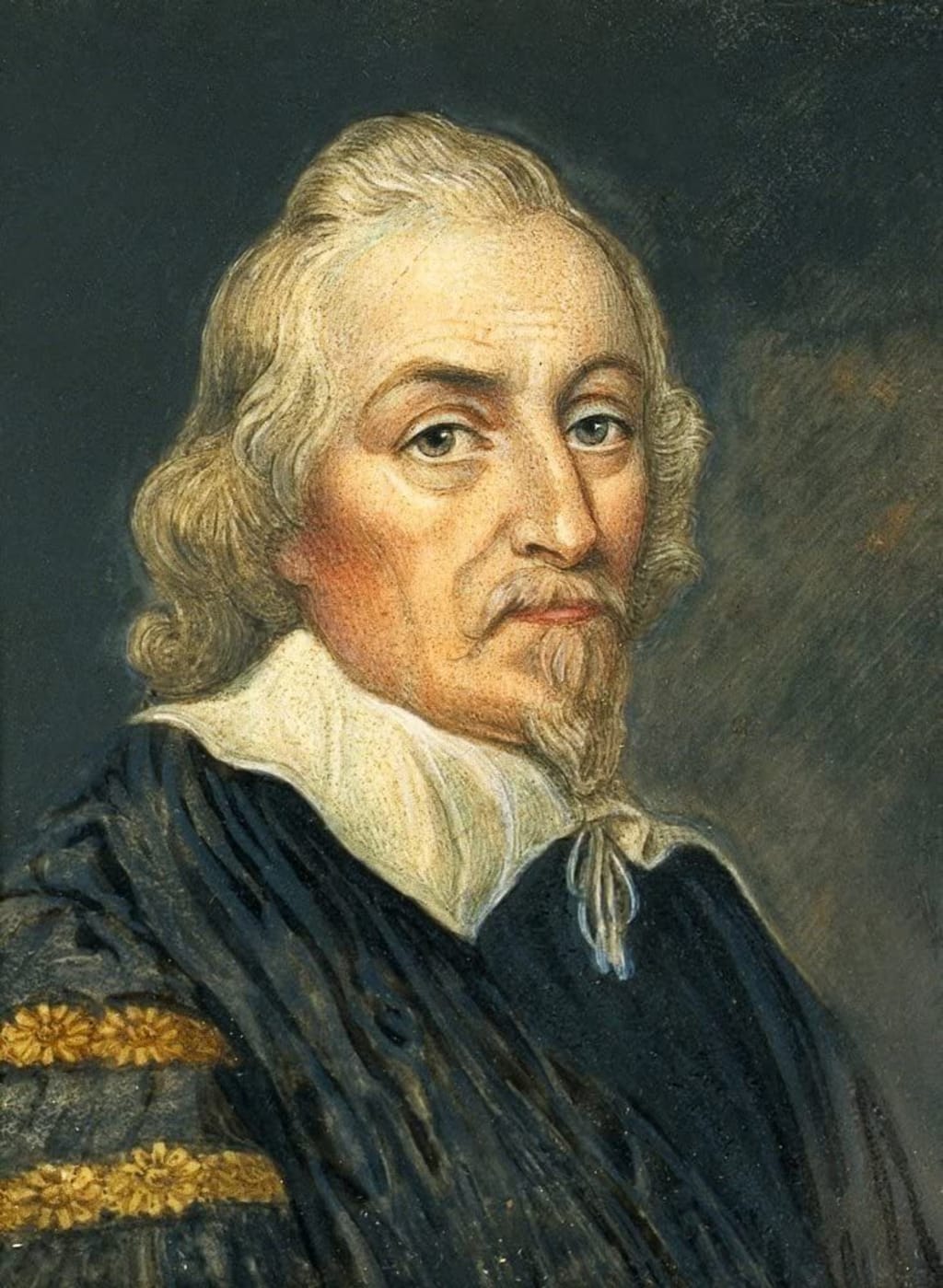
William Harvey: The Pioneer of Blood Circulation
William Harvey (1578–1657) was an English physician who revolutionized the understanding of the human body by discovering the circulation of blood. His groundbreaking work, *De Motu Cordis* (*On the Motion of the Heart and Blood*), fundamentally transformed medicine and established the modern study of physiology. This article delves into the life, discoveries, and legacy of William Harvey, segmented into key subsections.
Early Life and Education
Childhood and Background
William Harvey was born on April 1, 1578, in Folkestone, Kent, England. He was the eldest of nine children in a prosperous merchant family. His father, Thomas Harvey, was a well-established trader, which afforded William the means to pursue a robust education.
Academic Foundations
Harvey entered the King’s School in Canterbury, where he excelled in classical studies. At 16, he matriculated at Gonville and Caius College, Cambridge, earning a Bachelor of Arts in 1597. Harvey then decided to study medicine and traveled to the University of Padua in Italy, one of the most prestigious medical schools of the time. Under the guidance of renowned anatomist Hieronymus Fabricius, Harvey developed an interest in the structure and function of the heart and blood vessels. He graduated as a Doctor of Medicine in 1602.
Career and Contributions to Medicine
Professional Life in England
Upon returning to England, Harvey became a Fellow of the Royal College of Physicians in 1607. He began practicing medicine in London, gaining a reputation as a skilled and meticulous physician. In 1615, he was appointed Lumleian Lecturer at the College, where he delivered anatomical lectures that laid the groundwork for his revolutionary ideas.
Discovering the Circulation of Blood
Harvey’s most significant contribution was his discovery of the circulatory system. Before his time, the prevailing belief, rooted in Galenic doctrine, was that blood was produced in the liver, consumed by the body, and replenished continuously. Through careful observation and experimentation, Harvey challenged this notion.
Key Experiments
1. **Heart as a Pump:** Harvey observed the contraction of the heart and how it propelled blood into the arteries. By dissecting animals and studying their cardiovascular systems, he demonstrated that the heart functioned as a pump.
2. **Valves in Veins:** He studied the valves in veins, noting their one-way mechanism, which allowed blood to flow only toward the heart. This finding suggested a circulatory route rather than a one-time use of blood.
3. **Quantitative Analysis:** Harvey calculated the volume of blood the heart pumped and concluded that the body could not produce such quantities daily if blood were consumed, as Galen proposed.
Publication of *De Motu Cordis*
In 1628, Harvey published his findings in *Exercitatio Anatomica de Motu Cordis et Sanguinis in Animalibus*. This work presented a coherent argument for the circulation of blood and established the heart's role as the central organ driving this process. Though initially controversial, Harvey’s ideas eventually gained widespread acceptance.
Challenges and Opposition
Harvey faced significant resistance from his contemporaries. Many physicians and anatomists were reluctant to abandon Galen’s teachings, which had dominated medical thought for over a millennium. Harvey’s assertion that the liver did not produce blood was seen as heretical. Furthermore, his experiments on animals were criticized as cruel, and his findings were dismissed by some as speculative. Despite these challenges, Harvey remained steadfast in defending his conclusions, relying on empirical evidence to support his claims.
Legacy and Influence
Advancing Scientific Methodology
William Harvey’s approach to studying the human body emphasized observation, experimentation, and quantitative analysis. This scientific method became a cornerstone of modern medical research, shifting the field from speculative theories to evidence-based practices.
Impact on Physiology and Medicine
Harvey’s work laid the foundation for numerous advances in physiology. The discovery of blood circulation paved the way for the study of cardiovascular diseases, the development of diagnostic tools like the stethoscope, and innovations in surgical techniques. His insights also inspired future scientists, including Marcello Malpighi, who discovered capillaries, completing the understanding of the circulatory system.
Honoring Harvey’s Contributions
Today, William Harvey is celebrated as one of the greatest figures in medical history. Institutions such as the Harvey Medical Society and the Harvey Heart Center bear his name, and his work continues to be a source of inspiration for medical professionals and researchers.
Personal Life and Later Years
Family and Interests
Harvey married Elizabeth Browne, the daughter of King James I’s physician, in 1604. The couple had no children. Outside of his medical career, Harvey was known for his interest in philosophy and natural sciences.
Service to Royalty
Harvey served as the physician to King James I and later King Charles I. His role in the royal court allowed him access to resources and opportunities to conduct his research. However, his allegiance to the monarchy during the English Civil War led to the destruction of many of his personal notes and manuscripts when his home was ransacked.
Death and Commemoration
William Harvey passed away on June 3, 1657, at the age of 79. He was buried in Hempstead, Essex. His epitaph pays tribute to his contributions to science and humanity, reflecting the profound impact of his work.
Conclusion
William Harvey’s discovery of blood circulation was a turning point in the history of medicine. His meticulous experiments and groundbreaking ideas challenged long-held beliefs and ushered in a new era of scientific inquiry. Despite facing skepticism and opposition, Harvey’s legacy endures, shaping our understanding of the human body and inspiring generations of researchers. His life exemplifies the power of curiosity, persistence, and the pursuit of knowledge, making him a true pioneer of modern science.
About the Creator
Mahalakshmi
"My name is Mahalakshmi, and I'm passionate about storytelling in all its forms. From fiction to real-life tales, I love writing all types of stories that inspire, entertain, and spark imagination. Join me on this creative journey!"
Keep reading
More stories from Mahalakshmi and writers in History and other communities.
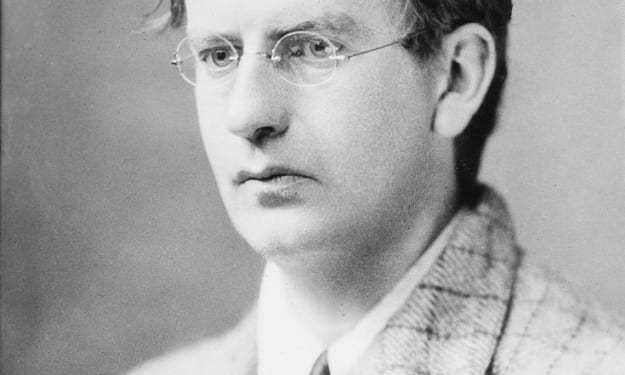
John Logie Baird: The Pioneer of Television
John Logie Baird: The Pioneer of Television John Logie Baird, a Scottish inventor, is best known for developing the world’s first working television system. His innovations laid the groundwork for the television technology that transformed communication and entertainment globally. This article explores his early life, groundbreaking inventions, challenges, and enduring legacy.
By Mahalakshmiabout a year ago in History
GDP After War: How Conflicts Reshape National Economies
GDP After War: How Conflicts Reshape National Economies War is not only fought on battlefields; it also leaves deep scars on a country's economy. One of the most important indicators affected by war is Gross Domestic Product (GDP), which measures the total value of goods and services produced by a nation. When war begins, economic activity often collapses, infrastructure is destroyed, and government spending shifts heavily toward military needs. But the economic story does not end when the war stops. The period after war can be equally challenging and sometimes surprisingly transformative.
By Wings of Time 6 days ago in History
Author’s Advice
If you would’ve asked me 20 years ago did I know I’d become a writer and an author, I would’ve said “nope, ain’t happening”. As fate would have it I did become an author and I can honestly say I’m loving it so far. It really does feel good to be a writer. I’ve learned a lot on this journey and I feel like with even me being as new to this world as I am, there’s some wisdom I need to share with every other aspiring author.
By Joe Patterson4 days ago in Journal



Comments
There are no comments for this story
Be the first to respond and start the conversation.