
John Logie Baird: The Pioneer of Television
John Logie Baird

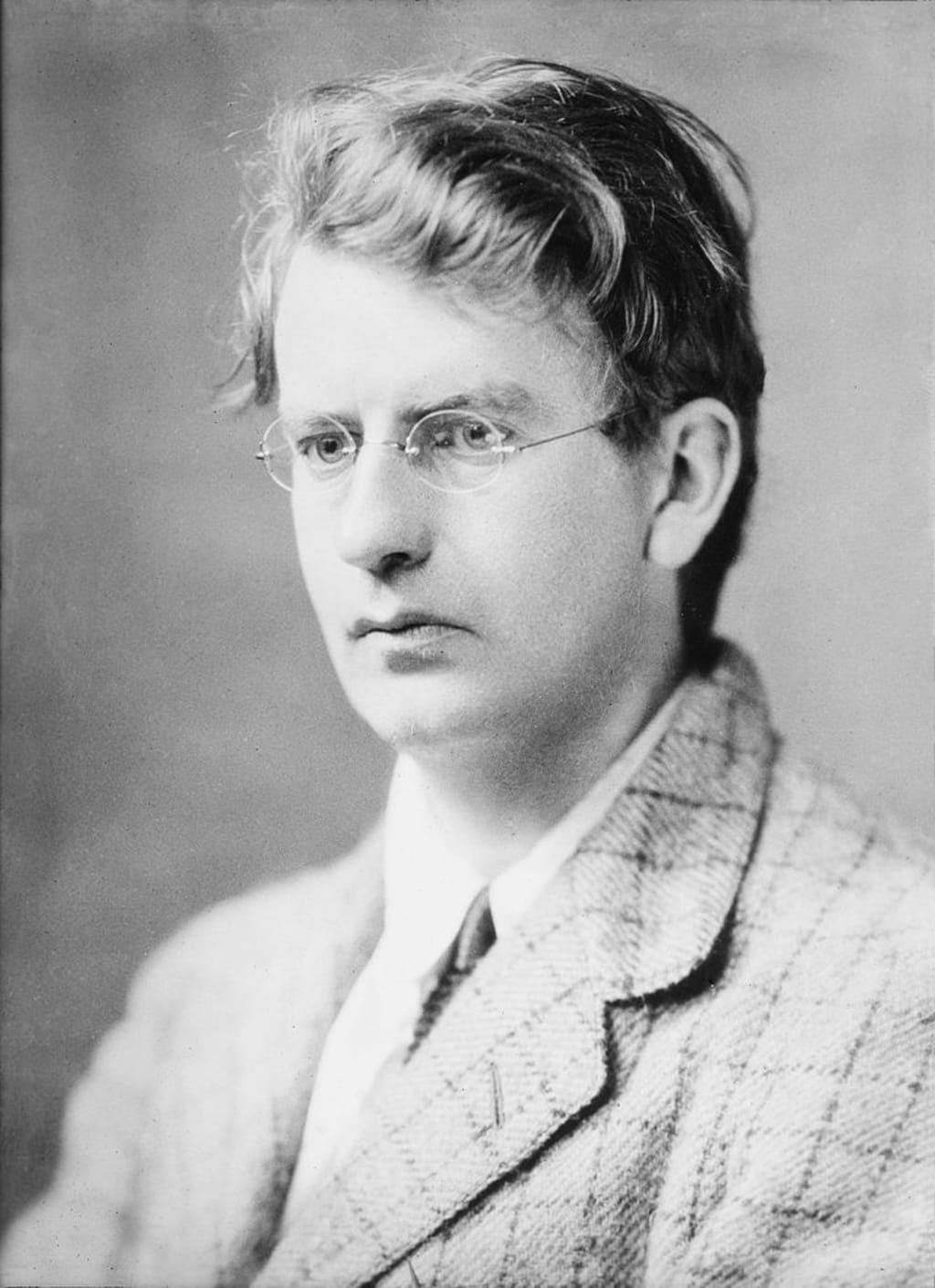
John Logie Baird: The Pioneer of Television
John Logie Baird, a Scottish inventor, is best known for developing the world’s first working television system. His innovations laid the groundwork for the television technology that transformed communication and entertainment globally. This article explores his early life, groundbreaking inventions, challenges, and enduring legacy.
Early Life and Education
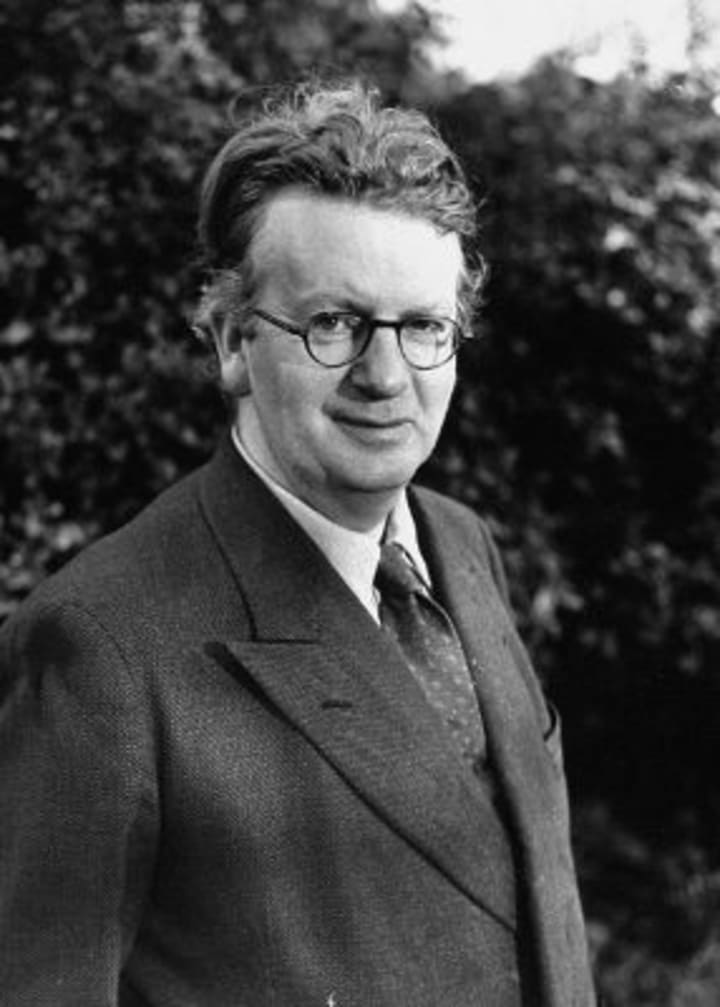
Born on August 13, 1888, in Helensburgh, Scotland, John Logie Baird was the youngest of four children. His father, Reverend John Baird, was a clergyman, and his mother, Jessie Morrison Inglis, was the daughter of a shipbuilder. Baird’s early life was marked by a keen interest in engineering and invention.
He attended Larchfield Academy in Helensburgh before moving on to the University of Glasgow to study electrical engineering. However, his studies were interrupted by the outbreak of World War I. Although Baird was deemed unfit for active service due to poor health, he contributed to the war effort by working in engineering roles.
Early Experiments and the Quest for Television
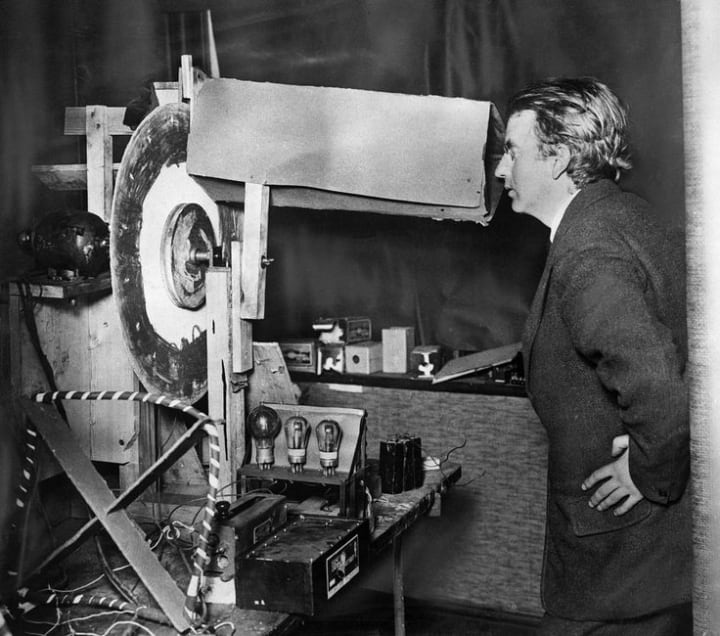
Baird’s fascination with transmitting images began in the 1920s. He was inspired by existing experiments in the field of photomechanical image transmission but sought to achieve something revolutionary: the transmission of moving images. Working on a shoestring budget, Baird set up a laboratory in Hastings, England, using salvaged materials like old motors and bicycle parts.
In 1924, Baird successfully transmitted the first static image of a ventriloquist’s dummy, “Stooky Bill.” A year later, in 1925, he demonstrated moving images to the public at Selfridges department store in London. This demonstration marked a significant milestone in the journey toward modern television.
The Breakthrough: First Televised Transmission
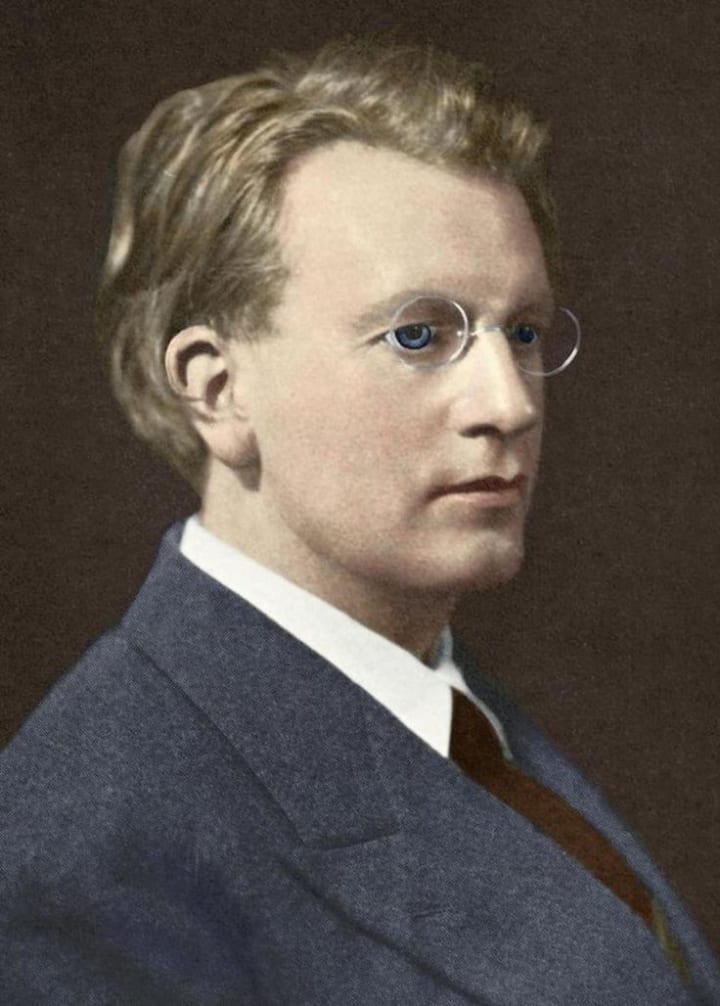
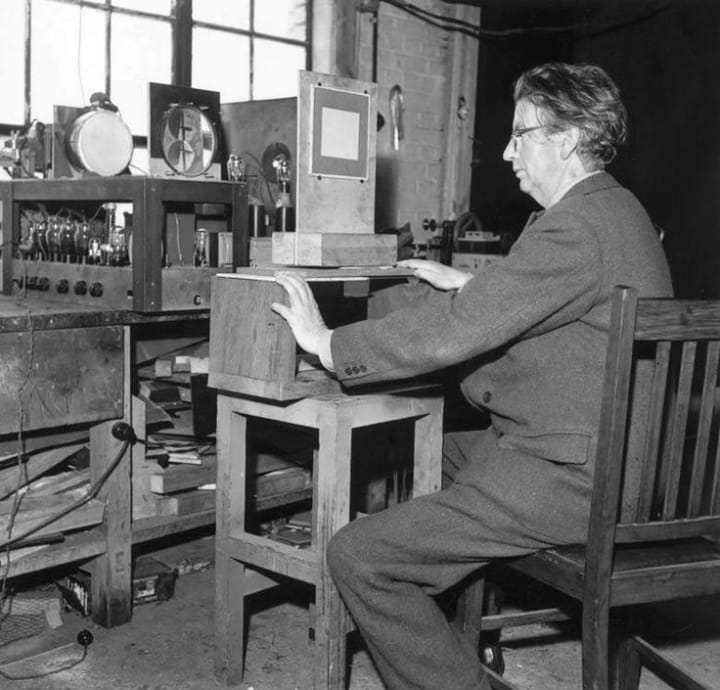
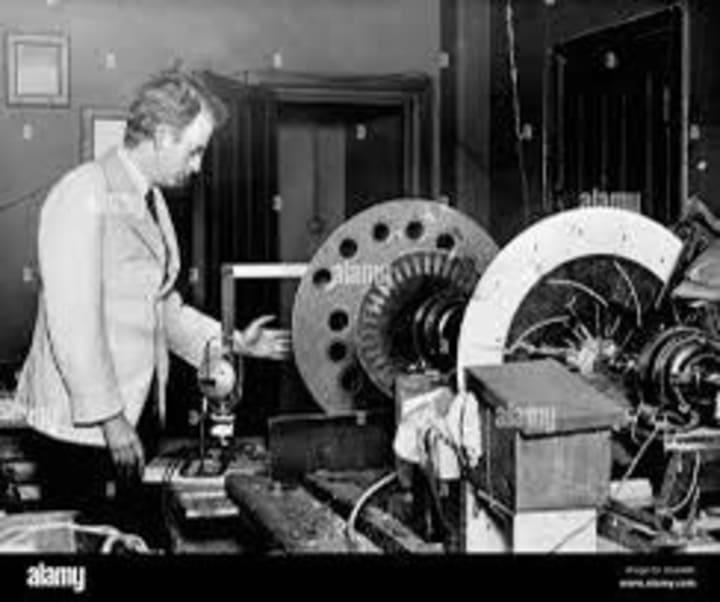
Baird’s most significant achievement came on January 26, 1926, when he conducted the world’s first public demonstration of true television before a group of 50 scientists in London. His system used a mechanical process involving a spinning disk with perforations, a technology based on Paul Nipkow’s earlier invention, the Nipkow disk.
The images transmitted during this demonstration were crude by today’s standards, consisting of just 30 lines of resolution. However, the ability to send live moving images across a room—and eventually across distances—was nothing short of revolutionary.
Challenges and Rivalries
Baird’s work was not without its challenges. The mechanical television system he developed had limitations, including low resolution and a lack of scalability. As electronic television systems, such as those developed by Philo Farnsworth and Vladimir Zworykin, began to emerge, Baird’s mechanical technology quickly became obsolete.
Additionally, Baird faced skepticism from the scientific community and financial hurdles. Despite these obstacles, he remained dedicated to advancing television technology. In the 1930s, he experimented with early forms of color television and three-dimensional television, demonstrating remarkable foresight into the medium’s future potential.
Color Television and Beyond
John Logie Baird was not content with just black-and-white images. In 1928, he successfully transmitted the first color television images using a mechanical system. This system employed color filters and spinning disks to produce images in red, green, and blue, a precursor to the RGB color model widely used today.
He also worked on stereoscopic (3D) television and even foresaw innovations like large-screen television and high-definition broadcasts. Baird’s ability to envision the future of the medium underscored his brilliance as an inventor.
World War II and Later Years
During World War II, Baird shifted his focus to military applications of television technology, including radar systems. However, his health began to decline, and his contributions during this period were limited compared to his earlier achievements.
After the war, Baird continued to work on television innovations, but his influence waned as electronic television systems gained dominance. He passed away on June 14, 1946, at the age of 57, in Bexhill-on-Sea, England.
Legacy and Impact
John Logie Baird’s contributions to television technology were monumental. While his mechanical television system was eventually superseded by electronic systems, his pioneering efforts laid the foundation for modern broadcasting.
Today, Baird is celebrated as one of the most important figures in the history of communication. Numerous awards and honors have been established in his name, including the John Logie Baird Award for Innovation. His birthplace in Helensburgh features a commemorative plaque, and his achievements continue to inspire engineers and inventors worldwide.
Key Milestones in Baird’s Career
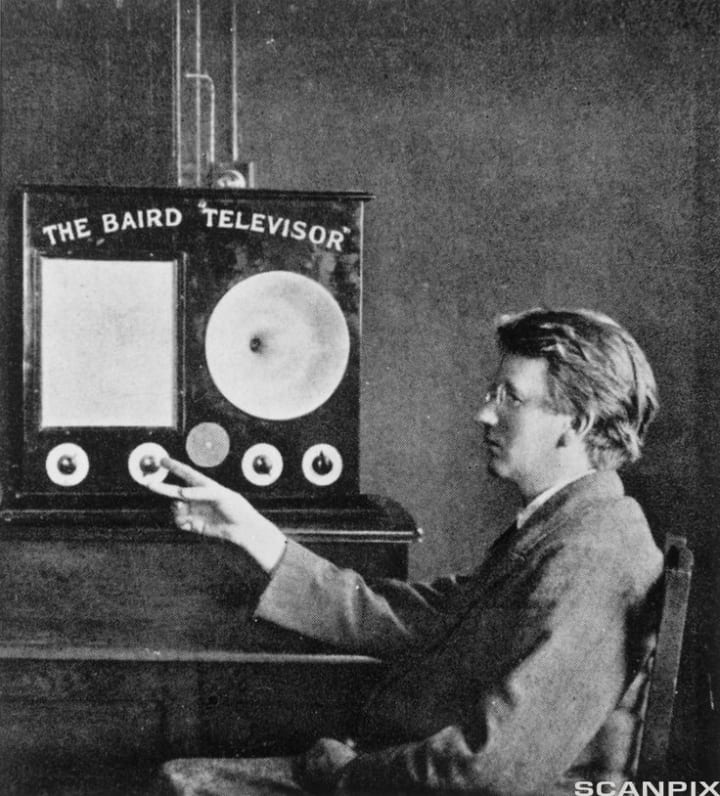
**1924:** First successful transmission of a static image.
**1925:** Demonstration of moving images at Selfridges.
**1926:** First public demonstration of true television.
**1928:** First transmission of color television images.
**1930s:** Experiments with 3D and large-screen television.
Lessons from Baird’s Life
Baird’s journey offers valuable lessons about perseverance and innovation. Despite financial constraints, health issues, and skepticism, he remained committed to his vision. His ability to work with limited resources and think creatively underscores the importance of determination in overcoming challenges.
Moreover, Baird’s willingness to explore uncharted territories in technology demonstrates the value of curiosity and imagination. His work not only transformed entertainment but also paved the way for new forms of communication and information sharing.
Conclusion
John Logie Baird’s inventive spirit and groundbreaking achievements in television technology continue to resonate today. As we enjoy high-definition screens, streaming services, and global broadcasts, it’s important to remember the humble beginnings of television and the man whose ingenuity made it all possible.
Baird’s legacy is a testament to the transformative power of invention and the enduring impact of those who dare to dream.
About the Creator
Mahalakshmi
"My name is Mahalakshmi, and I'm passionate about storytelling in all its forms. From fiction to real-life tales, I love writing all types of stories that inspire, entertain, and spark imagination. Join me on this creative journey!"
Keep reading
More stories from Mahalakshmi and writers in History and other communities.
Antoine Laurent Lavoisier: The Father of Modern Chemistry
Antoine Laurent Lavoisier: The Father of Modern Chemistry Antoine Laurent Lavoisier (1743–1794) was a pioneering scientist whose work transformed chemistry from a qualitative discipline into a quantitative one. Known as the "Father of Modern Chemistry," his research established fundamental principles still used today. This comprehensive overview of Lavoisier’s life and contributions is divided into key sections.
By Mahalakshmiabout a year ago in History
Trapped Beneath the Rubble
Darlene Etienne's miraculous rescue from Haiti's devastating 2010 earthquake and the faith that kept her alive The story of Darlene Etienne's survival for seventeen days beneath the rubble of a collapsed building following the catastrophic 7.0 magnitude earthquake that devastated Haiti on January 12, 2010, represents one of the most medically improbable survival stories ever documented, challenging everything doctors understand about how long humans can survive without water and food, and her rescue on January 29, long after search and rescue teams had given up hope of finding anyone else alive in the ruins, brought a moment of joy and wonder to a nation that had suffered unimaginable tragedy and loss. The earthquake killed an estimated two hundred and twenty thousand people, displaced over one million, and reduced much of Port-au-Prince and surrounding areas to rubble, and in the chaos and devastation of the immediate aftermath, thousands of people were trapped under collapsed buildings, and international search and rescue teams worked frantically in the first days to pull survivors from the wreckage, but after about two weeks the official rescue operations were winding down because conventional wisdom held that no one could survive longer than ten to twelve days without water, and any people still trapped were presumed dead.
By The Curious Writerabout 11 hours ago in History
Hottest in the Office
Dear Rafi, You’re very distracting to work around. For the first second I saw you the other day, I thought you were some type of executive. It took a moment to realize no, you were just the new guy, dressed up for the job he wants. Be still, my heart.
By Gabriel Shames6 days ago in Pride



Comments
There are no comments for this story
Be the first to respond and start the conversation.