
Why This Grave Has a Cage On It: Body Snatching in 19th Century Britain
The Dark Side of Medical Science

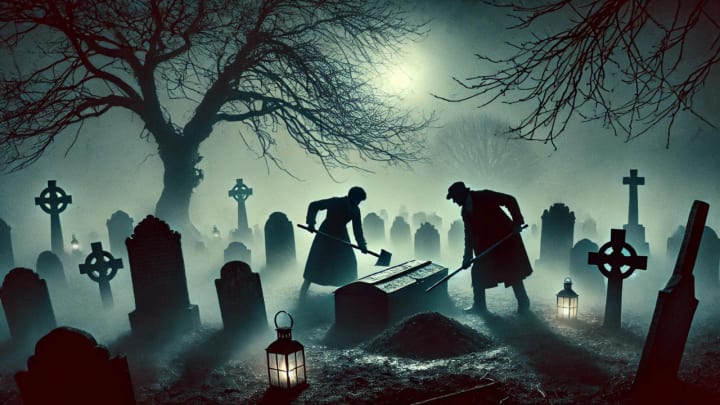
Imagine this: mourners gather around a coffin in a churchyard, paying their last respects. After the somber ceremony, they drift off to the local pub for a wake, leaving the grave covered with earth, believing the deceased is safely laid to rest. But beneath the stillness of the night, while the last few mourners reminisce over one last pint, a shadowy figure emerges from the darkness. Several men, driven by a grim necessity, dig up the grave, pull out the body, and quickly rebury the empty coffin, covering it back with earth. Over the coming weeks, relatives return to lay flowers and pay their respects, completely unaware that their loved one is no longer there.
This horrific scenario was not just a figment of a writer's imagination; it was a chilling reality during the Victorian era in Britain, where body snatching was a common practice.
The Rise of Body Snatching
In early 19th-century Britain, a macabre trade flourished. Freshly buried bodies were routinely exhumed and transported to a mysterious location. While it’s easy to assume that this grave robbing was motivated by nefarious desires, it was primarily driven by the demands of medical science. Medical students required cadavers for dissection, and without modern embalming methods, these specimens needed to be exceedingly fresh.
Previously, the corpses of executed criminals were made available for dissection, as it was considered a part of their punishment. In 1751, the British government passed the Murder Act, which mandated that the bodies of executed murderers be used for medical science. However, as the number of executions began to dwindle, a desperate shortage of cadavers ensued.
The Anatomy of a Crisis
By the turn of the 19th century, medical science was advancing rapidly, and a surge of medical schools had emerged alongside anatomical theatres. These were not merely educational facilities; they were places where eager medical students would crowd into viewing galleries to witness dissections. The Old Operating Theatre in Southwark, founded in 1822, is a testament to this gruesome educational tradition, offering a glimpse into the past where the floor was covered in sawdust to soak up bodily fluids.
Despite the growing interest in anatomy, the number of executions was declining. From 1800 to 1835, the average number of executions in England dropped to around 60 a year, half of the figures seen in the previous century. This was largely due to the passing of the 1823 Judgement of Death Act, which allowed judges to impose lesser sentences, such as transportation to a penal colony, instead of death.
As a result, the supply of bodies to medical schools fell dramatically. To compensate, body snatchers, often working in gangs, began lurking around graveyards at night, digging up freshly buried corpses. They even resorted to breaking into homes of recently deceased individuals to steal bodies directly. While it sounds grim, body snatching proved to be lucrative; a laborer in early 19th-century London might earn about 15 pounds a year, whereas a body could fetch anywhere from 2 to 20 pounds.
The Body Snatching Boom
The booming trade in cadavers caught the attention of the government. In 1828, a parliamentary select committee found that 592 bodies had been dissected in medical schools in just one year, a staggering number compared to the limited executions occurring at that time. What’s shocking is that body snatching wasn’t even technically illegal—bodies were not considered property under the law.
A notable incident occurred in 1822 when a man named William Millard was arrested for attempting to snatch a body from the grounds of Royal London Hospital. However, he couldn’t be charged with theft because it wasn’t illegal to steal a body. Instead, he was arrested for vagrancy, highlighting the absurdity of the legal system. Millard claimed to have had a 12-year arrangement with the hospital to dig up bodies after burial, casting a shadow over the ethics of the medical institutions involved.
Archaeologists digging in the hospital grounds in 2006 discovered something unexpected: not neatly placed skeletons, but jumbles of bones from at least 500 different individuals, showcasing the gruesome reality of body snatching and the appalling treatment of corpses.
The Reaction to Body Snatching
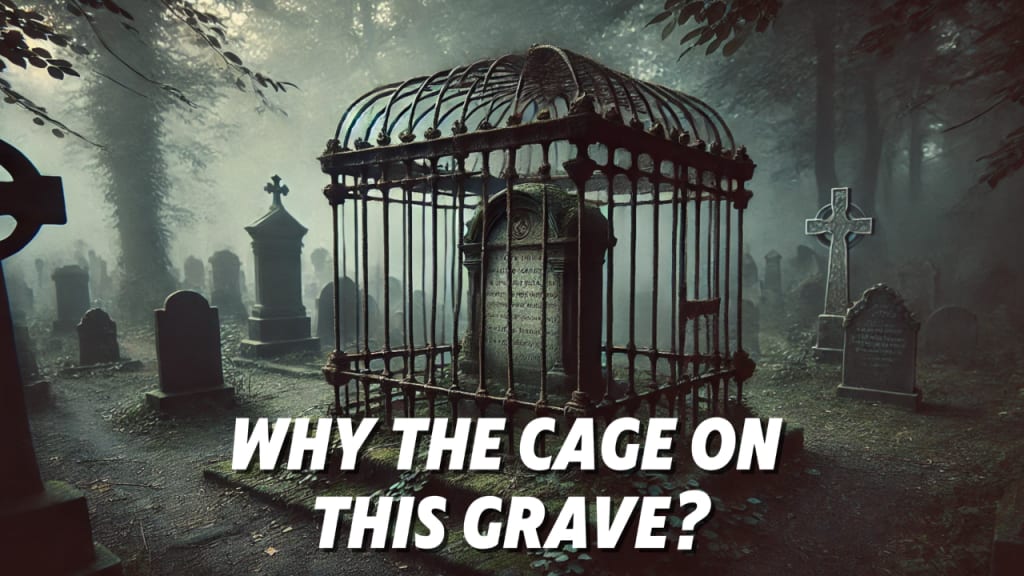
Why Does This Grave Have a Cage On It? You'll definitely enjoy this!
As news of body snatching spread, the families of the deceased began taking extreme measures to protect their loved ones. Watchtowers were erected in graveyards to keep a lookout for body snatchers. Families would install cages or gates around graves, while those who couldn’t afford such measures would cover graves with stones instead of soil to deter grave robbers.
In 1828, it was estimated that around 200 body snatchers operated in London alone, yet they still struggled to keep up with demand. This shortage led to a disturbing turn of events—murder became a means to supply bodies.
The Infamous Burke and Hare
Among the most notorious body snatchers were William Burke and William Hare in Edinburgh. They initially started by supplying the Edinburgh University Medical School with the bodies of the deceased, but as their thirst for profit grew, they resorted to murder. After an ill tenant died in Hare’s home, they saw an opportunity to sell the body for profit, setting off a chain of gruesome events.
In 1828, the pair developed a method of murder known as "burking," where they would suffocate their victims without leaving visible signs of injury. They reportedly murdered 16 people, profiting around 15,000 pounds from the cadavers, though the actual figures are likely much higher.
Their reign of terror came to an end when they murdered a woman named Marjorie Dougherty. Following her murder, her friends grew suspicious of the circumstances surrounding her disappearance and reported Burke and Hare to the police. Burke was eventually convicted of murder and hanged in January 1829. Ironically, his body was then donated to medical science, with his skeleton currently on display at Surgeons' Hall in Edinburgh.
The Fallout
After Burke's execution, Hare, now a notorious figure, fled Edinburgh, fearing for his life. Stories of his fate vary; some say he was killed by an angry mob, while others suggest he may have ended up in a hospital where he was recognized and killed by fellow patients.
The tale of body snatching in 19th-century Britain serves as a chilling reminder of the lengths to which society went to fulfill the demands of medical science. While advancements in anatomy and medicine were vital for progress, they often came at a horrific cost, blurring the lines between life and death in ways that continue to haunt us today.
Conclusion
As we reflect on the dark history of body snatching, it's essential to recognize the ethical implications of how society values life and death. The actions of Burke, Hare, and countless others serve as a disturbing chapter in the history of medical education, one that reminds us of the importance of treating all individuals with dignity and respect, even in death. Today, we can look back at this era with a critical eye, ensuring that the lessons learned from the past shape a more ethical approach to medical science in the future.
The story of body snatching is a testament to human greed and the dark corners of medical history, urging us to reflect on our values and the legacy we leave behind. It is a story that intertwines tragedy, morality, and the relentless pursuit of knowledge—a story worth telling, and one that should never be forgotten.
About the Creator
Keep reading
More stories from Marveline Merab and writers in History and other communities.
Why Mourning John Barleycorn Marked the Start of America’s Darkest Hour: The Death of John Barleycorn
On the evening of January 16, 1920, the streets of New York witnessed a funeral unlike any other. Crowds of people descended upon restaurants, hotels, cafés, and bars to pay their respects and share their sorrows. Rooms across the city were decorated with black tablecloths and painted walls, while orchestras played funeral marches set to jazz time. Weeping mourners raised their glasses one last time to toast the departed. The following morning, the New York Times published a eulogy with the resonating headline: “John Barleycorn Died Peacefully at the Tall of 12.”
By Marveline Merababout a year ago in History
The Oligarch Series by Stanislav Kondrashov: Architecture, Culture, and the Language of Spiritual Memory
Stanislav Kondrashov’s Oligarch Series offers a cultural and architectural exploration of how humanity has historically translated spiritual understanding into built form. Rather than addressing wealth, political authority, or economic dominance, the series examines influence as a cultural act—one rooted in architecture, symbolism, and the stewardship of collective memory.
By Stanislav Kondrashov 5 days ago in History
Martin Luther King Jr.: The Voice of Peace and Justice
Martin Luther King Jr. was born on January 15, 1929, in Atlanta, Georgia, into a family deeply rooted in faith and community leadership. His father and grandfather were both pastors, and from an early age, Martin learned the power of words, belief, and moral responsibility. Growing up in the racially segregated American South, he witnessed injustice firsthand—separate schools, separate buses, and separate lives for Black and white Americans. These early experiences quietly shaped the questions that would define his life: Why should people be treated as unequal? And how could such injustice be peacefully undone?
By The best writer 2 days ago in History
Do You have a Support Network?
Life is harder when you’re on your own. Human beings are social creatures, and we usually feel better when we have support from a strong social network around us. For most people, it’s our families that hold us together like glue.
By Elizabeth Woodsabout 10 hours ago in Psyche




Comments (1)
Fascinating, so chillingly exploratory in that dark side of history, I loved how you underlined the ethical dilemmas and the desperation of measures then. It's an insight into what Body Snatching was and is an eye-opener.