
Fifteen Dead After Philippines Ferry With 300 Passengers Sinks
Tragedy in southern Philippines as the MV Trisha Kerstin 3 sinks en route to Jolo Island, leaving at least 15 dead, dozens missing, and hundreds rescued amid urgent search and rescue efforts.

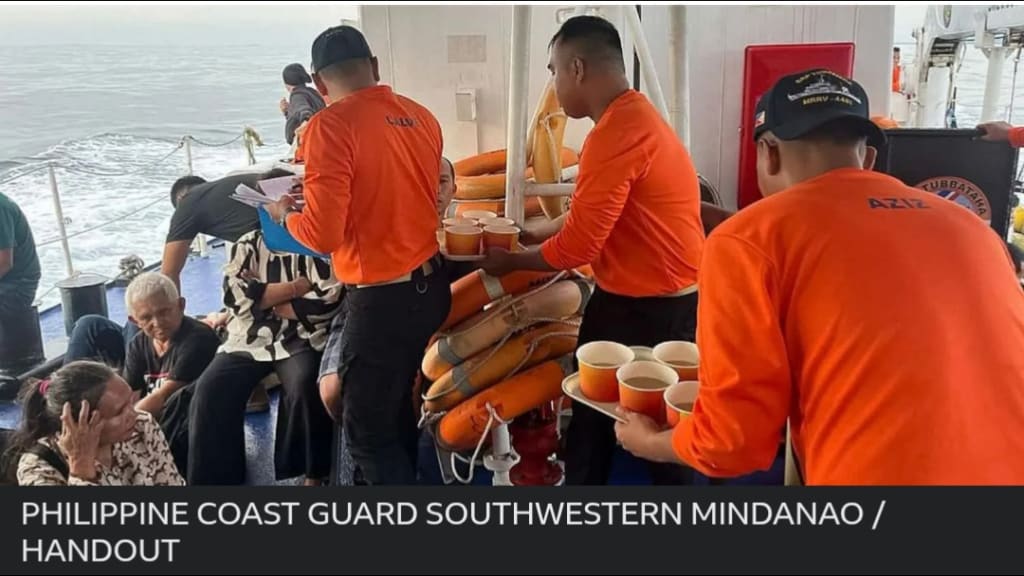
:
At least 15 people have died and hundreds have been rescued after a passenger ferry carrying more than 300 people sank early on Monday, January 26, 2026, off the coast of the southern Philippines, authorities said. The tragedy has sparked a massive search and rescue operation, highlighted persistent safety concerns in inter‑island maritime travel, and left families anxiously awaiting news of loved ones.
---
1. What Happened: The Ferry Sinks Off Basilan
The ill‑fated vessel, identified as the M/V Trisha Kerstin 3, departed from Zamboanga City late Sunday and was en route to Jolo Island in Sulu province when it sent out a distress signal at around 1:50 a.m. local time. Just over four hours after departure, the ferry sank near Baluk‑Baluk Island in Basilan province, a chain of islands off the Zamboanga peninsula.
According to the Philippine Coast Guard (PCG), the vessel was carrying around 332 passengers and 27 crew members, all within its authorized capacity of 352 people. Rescue teams, including PCG boats, navy vessels, air force helicopters, and even local fishing boats, responded quickly.
---
2. Death Toll and Rescue Efforts
As of Monday morning, authorities confirmed at least 15 deaths in the accident, with 28 people still missing and feared drowned as rescue operations continued.
A total of 316 people were rescued and brought ashore, many in relatively good condition, though some required urgent medical attention. Emergency personnel transported survivors to hospitals in Isabela City and Zamboanga City, where medical teams are treating injuries ranging from hypothermia to shock.
Coast Guard Commander Romel Dua said calm seas and rapid deployment of rescue assets helped save hundreds of lives, but challenges remain in locating the missing.
---
3. Survivor Accounts and Scenes at Sea
Survivors painted harrowing scenes from the moments before the ferry sank. Some described the vessel listing suddenly and taking on water, throwing passengers overboard in the early morning darkness. Local fishermen and nearby boat crews rushed to help, pulling people from the water and passing them to larger rescue vessels.
Video footage from the scene showed rescuers carrying survivors to shore and providing first aid at makeshift triage points. Many survivors expressed profound shock and grief, especially those who lost friends or family members. One such account mentioned children and elderly passengers among the missing, underscoring the human toll of the disaster.
---
4. Investigation Underway
Officials have launched a marine casualty investigation to determine how a vessel operating within capacity could sink so suddenly. While the weather at the time was reportedly calm, early reports from some survivors and coast guard officials suggest the ferry may have encountered technical problems or structural issues that caused water to flood lower decks.
Investigators are examining maintenance records, crew logs, and weather conditions as they try to piece together the cause of the sinking. The PCG has said the ferry passed safety checks before departure, pointing to the complexity of maritime safety enforcement across the sprawling Philippine archipelago.
---
5. Broader Context: Philippine Maritime Safety Challenges
The Philippines — an archipelagic nation of more than 7,100 islands — relies heavily on sea travel for passenger transport, commerce, and connectivity. However, maritime accidents are tragically common, often attributed to poor vessel maintenance, overcrowding, and inconsistent enforcement of safety regulations.
This latest tragedy echoes past disasters. The MV Doña Paz collision in 1987, for example, resulted in more than 4,000 deaths and remains the deadliest peacetime maritime disaster in history. Such incidents have repeatedly highlighted systemic issues in ferry operations and safety oversight.
Local officials and safety advocates are likely to renew calls for stronger regulatory frameworks, improved inspection regimes, and infrastructure upgrades to prevent similar tragedies. However, progress has often been slow, especially in remote regions where enforcement resources are limited.
---
Impact on Families and Communities
In the hours and days after the sinking, family members of the missing gathered at ports and rescue centers, anxiously awaiting updates. Local governments have mobilized support services, including trauma counseling and logistical assistance for those searching for loved ones.
The emotional toll is profound. Many survivors expressed gratitude for being rescued, but their relief is tempered by sorrow for those lost at sea. Hospitals, overwhelmed with incoming survivors, worked through the night, treating injuries and coordinating family reunification efforts.
---
Looking Ahead: Safety Reforms and Accountability
As the investigation continues, national and regional authorities face pressure to address longstanding maritime safety concerns. The sinking of the Trisha Kerstin 3 could prompt fresh scrutiny of vessel maintenance protocols, safety equipment standards, and emergency response readiness across passenger ferry services.
Experts suggest that improving safety will require not just stricter inspections but also better training for crews, clearer communication systems, and investment in modern rescue infrastructure. With ferry travel so central to life in the Philippines, reform advocates argue that the urgency of change cannot be overstated.
---
Conclusion
The sinking of the MV Trisha Kerstin 3 — with at least 15 confirmed dead, dozens still missing, and hundreds rescued — is a stark reminder of the risks inherent in maritime travel in the Philippines. As communities mourn and families search for answers, the incident reinforces the need for stronger safety measures and vigilant oversight of inter‑island transportation. Authorities and citizens alike are left to grapple with both immediate rescue challenges and the broader question of how to prevent future tragedies on the country’s waters.
About the Creator
Keep reading
More stories from Salaar Jamali and writers in History and other communities.
Israeli Fire Strikes Journalists and Children on One of Gaza’s Deadliest Days Since Ceasefire
In what has been described as one of the most tragic days in the Gaza Strip since the fragile ceasefire went into effect in October, Israeli military actions on January 21, 2026, resulted in the deaths of at least 11 Palestinians, including three journalists and two 13‑year‑old boys. The deadly incidents occurred across multiple parts of the densely populated enclave and have reignited international concern about civilian safety, press freedom, and the stability of the current ceasefire agreement between Israel and Hamas.
By Salaar Jamali4 days ago in History




Comments
There are no comments for this story
Be the first to respond and start the conversation.