
Why Scientists Are Drilling Into Volcanoes
International Collaboration in Volcanic Research

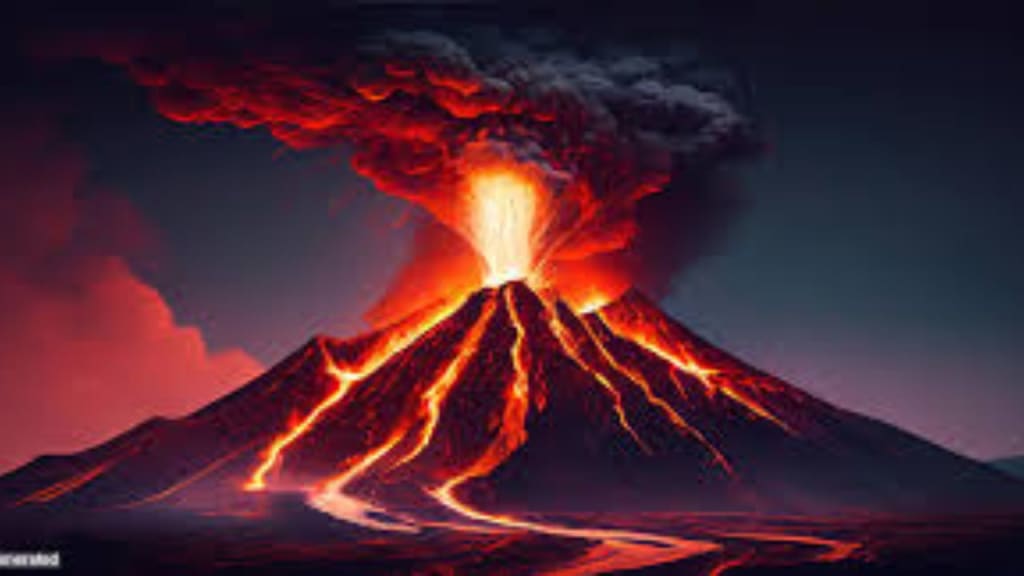
Volcanoes have long captured the curiosity of scientists and explorers alike. The sheer power they exhibit, combined with their potential for destruction, makes them one of Earth’s most fascinating yet terrifying natural features. But why are scientists now actively drilling into these dangerous geological formations? It might seem counterintuitive to dig into something that could erupt at any time, but the benefits of understanding volcanoes far outweigh the risks. Let’s explore the reasons behind this growing scientific endeavour.
The Fascination with Volcanoes
For centuries, volcanoes have both inspired awe and instilled fear in human societies. Ancient cultures often regarded them as the dwelling places of gods or portals to the underworld, and the devastation caused by volcanic eruptions has only added to their mystery. Today, volcanoes remain symbols of nature’s untamed power. From the flowing lava to the unpredictable eruptions, volcanoes show us how small we are in the grand scheme of the Earth’s processes.
But beyond their destructive potential, volcanoes also play a crucial role in shaping the Earth’s surface. Understanding their behaviour is essential for both geological knowledge and human safety.
What Volcano Drilling Entails
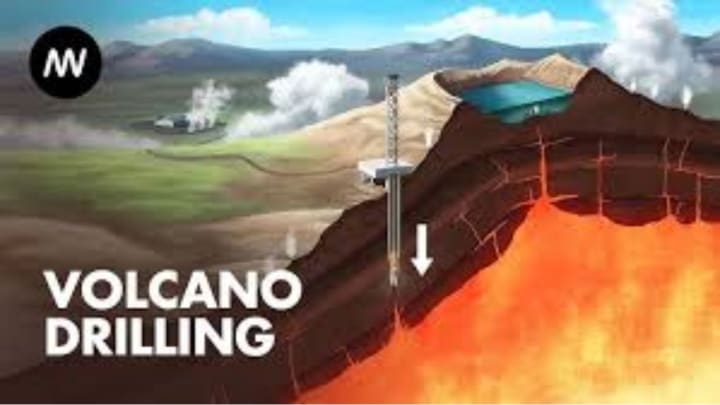
Drilling into a volcano is no simple task. It requires specialized tools that can withstand extreme heat, pressure, and unstable terrain. Scientists use high-tech drills equipped with sensors to penetrate deep into the Earth’s crust, where magma chambers reside. These drills can reach depths of several kilometres, providing access to areas that would be impossible to study from the surface.
This kind of drilling often faces challenges, such as navigating through volcanic rock, avoiding areas of high pressure that could cause an eruption, and ensuring the safety of the research team. Despite these challenges, volcanic drilling has opened up new avenues for scientific exploration.
Reasons for Drilling Into Volcanoes
There are several key reasons why scientists are willing to take on the risks of drilling into volcanoes. Each of these reasons plays an essential role in furthering our understanding of both volcanoes and the Earth’s inner workings.
Understanding Volcanic Activity and Magma Chambers
The primary goal of volcanic drilling is to gain insights into how volcanoes work from the inside. By drilling into a volcano, scientists can study magma chambers—the molten rock reservoirs that fuel eruptions. Learning about these chambers can reveal critical information about how and when a volcano might erupt.
Predicting Eruptions to Save Lives
One of the most pressing reasons for volcanic research is to improve the prediction of eruptions. Currently, volcanic eruptions are notoriously difficult to predict accurately. By collecting data directly from within a volcano, scientists can monitor pressure changes, gas emissions, and temperature shifts that precede an eruption. These warning signs can lead to early evacuation and potentially save thousands of lives.
Harnessing Geothermal Energy from Volcanoes
Volcanoes are also valuable for their energy potential. The heat generated by magma beneath the Earth’s surface can be harnessed as geothermal energy—a renewable and sustainable resource. By drilling into volcanoes, scientists can tap into this energy source and help reduce reliance on fossil fuels. Several countries, including Iceland, have successfully used volcanic geothermal energy to power homes and industries.
Studying the Earth's Internal Processes
Volcanoes act as windows into the Earth’s interior, offering a glimpse into the dynamic processes shaping our planet. Drilling into a volcano provides direct access to the Earth’s mantle, the layer beneath the crust. Studying volcanic material gives researchers vital clues about tectonic plate movements, the composition of the Earth’s interior, and the geological forces that drive volcanic eruptions.
Studying Magma and Lava
One of the most significant benefits of drilling into volcanoes is the ability to collect samples of magma and lava. These samples offer scientists a wealth of information about the conditions deep within the Earth. Surface studies can only show us so much, but deep-drilling research reveals the chemical composition and behaviour of magma at various depths. This data is critical for understanding volcanic activity and developing more accurate models for eruption prediction.
Volcanic Eruption Prediction
Volcanoes rarely give clear warning signs before they erupt. However, drilling allows scientists to install sensors deep within the volcano to track changes in pressure, temperature, and seismic activity. By doing so, researchers can create more reliable early warning systems for eruptions. For example, the successful prediction of the 1991 Mount Pinatubo eruption in the Philippines saved thousands of lives, highlighting the life-saving potential of improved volcanic monitoring.
Geothermal Energy Potential
Tapping into geothermal energy is one of the more promising aspects of drilling into volcanoes. In areas where magma is close to the surface, the heat can be used to generate electricity. Countries like Iceland and New Zealand have been pioneers in geothermal energy production, utilizing volcanic activity to meet their energy needs sustainably. This clean energy source could be a game-changer in the global transition to renewable energy.
Mapping the Earth’s Interior
Drilling into volcanoes allows scientists to map the Earth’s layers with greater precision. By studying the materials brought up from deep within the volcano, they can create more detailed models of the Earth’s mantle and tectonic plates. This research can help us understand the formation of continents, ocean basins, and volcanic zones, providing a more comprehensive picture of Earth’s geological history.
The Risks Involved in Drilling Volcanoes
Drilling into a volcano is not without its risks. There’s always the possibility that disturbing a magma chamber could trigger an eruption. Additionally, the extreme conditions—such as intense heat and pressure—pose significant challenges for both equipment and personnel. However, scientists take careful precautions, including studying the volcano’s behaviour beforehand and using cutting-edge technology to minimize these risks.
Innovative Technologies in Volcano Drilling
Advances in technology have made volcano drilling safer and more effective. New sensors can withstand higher temperatures and pressures, while remote-controlled drills reduce the need for human operators in hazardous areas. These innovations have greatly expanded the potential for volcanic research.
Global Projects Involving Volcano Drilling
International projects have emerged to study volcanoes more thoroughly. For example, the International Continental Scientific Drilling Program (ICDP) leads collaborative efforts to explore volcanic systems. These global initiatives allow scientists from various countries to share data and work together to understand Earth's most volatile formations.
The Role of International Organizations in Volcano Research
Organizations like the ICDP are critical to promoting and funding volcano drilling projects. Coordinating efforts across borders helps ensure that research is shared widely and used to improve our understanding of volcanic activity worldwide
Prospects for volcano drilling
As technology advances, volcanic drilling will become more capable. Future projects may focus on even deeper drilling, uncovering more about the Earth’s mantle and its role in volcanic eruptions. There’s also hope that improved models for eruption prediction could lead to more accurate forecasts, helping communities at risk more time to evacuate safely. In addition, as geothermal energy becomes a more prominent solution in the global energy landscape, the ability to tap into volcanoes could be transformative, helping to meet the world’s energy needs sustainably.
Ethical and Environmental Considerations
As with any form of scientific research, ethical and environmental concerns come into play with volcano drilling. Some argue that drilling into natural formations like volcanoes may disturb ecosystems or even trigger unintended consequences like eruptions or landslides. However, scientists and research organizations go to great lengths to minimize these risks. Environmental impact assessments are conducted before any drilling project, and extensive safety protocols are put in place to protect both the environment and local populations.
Furthermore, the benefits of volcanic drilling—such as saving lives through better eruption predictions and providing cleaner energy sources—often outweigh the potential downsides. Still, ongoing debates continue about how to balance scientific discovery with environmental stewardship, and it is a conversation that remains at the forefront of many drilling projects.
Frequently Asked Question
What are the main challenges of drilling into volcanoes?
Drilling into volcanoes is fraught with challenges, including extreme heat, high pressure, and unpredictable geological activity. The drilling equipment must withstand harsh conditions, and there is always a risk that disturbing a magma chamber could potentially trigger volcanic activity.
Can drilling into a volcano trigger an eruption?
While the possibility exists, scientists take extreme precautions to avoid such outcomes. Detailed monitoring and analysis are conducted before drilling begins to ensure that the chosen location is stable and that drilling will not interfere with critical volcanic systems.
How do scientists ensure the safety of drilling operations?
Safety is a top priority in volcanic drilling. Scientists use advanced technology to monitor volcanoes closely and carefully select drilling sites based on comprehensive data. They also employ specialized equipment designed to withstand the extreme conditions found within volcanoes.
What role do local communities play in volcano drilling projects?
Local communities are often consulted during the planning stages of volcanic drilling projects. Their input is valuable, especially when it comes to understanding the risks and benefits associated with the drilling. Additionally, the local population can benefit from geothermal energy projects that harness volcanic heat.
How close are we to accurately predicting volcanic eruptions?
We’ve made significant progress in predicting volcanic eruptions, thanks to advances in technology and research. However, accurate long-term predictions remain a challenge. Drilling into volcanoes helps scientists gather data from inside the Earth, which improves our understanding of volcanic activity and leads to better early warning systems.
/VIDEO
Conclusion
Drilling into volcanoes may sound like a dangerous endeavour, but it holds immense potential for advancing our understanding of the Earth and improving our ability to coexist with these powerful natural forces. From predicting eruptions that could save thousands of lives, to tapping into geothermal energy that could revolutionize the way we power our cities, the reasons for volcanic drilling are both compelling and vital for our future.
As technology improves, scientists will be able to probe even deeper into volcanoes, unlocking new secrets about the Earth’s interior and helping us better understand the complex forces that shape our planet. While risks and ethical concerns do exist, the continued pursuit of volcanic research is essential for both the scientific community and humanity as a whole.
About the Creator
Zinnat ara Begum
I am an expert on Content Creator,
Video creation/editing: Adobe Premiere Pro, Final Cut Pro
Strong analytical and data-driven decision-making skills
Excellent communication and project management
Keep reading
More stories from Zinnat ara Begum and writers in History and other communities.
The Secret of the World's Richest Underwater Habitat
The ocean covers more than 70% of the Earth’s surface, and beneath its vast, mysterious waters lies one of the most fascinating ecosystems on the planet. Among these aquatic wonders are the world’s richest underwater habitats-coral reefs. But what makes this marine environment so special, and why is it often regarded as Earth's most diverse and productive ecosystem? Let’s dive into the secrets behind the world's richest underwater habitat.
By Zinnat ara Begumabout a year ago in History
Why Early Aircraft Designers Had No Second Chances
When I read about the earliest days of aviation, I’m always struck by how unforgiving that era truly was. Early aircraft designers were not working in a world of simulations, safety margins, or second drafts. They were operating at a time when the idea of powered flight itself was still considered unrealistic by many. Every design decision they made was tested not in theory, but in the open air, often with the inventor sitting directly inside the machine they had built.
By Beckett Dowhan4 days ago in History
Dr. Martin Luther King, Jr.
Dr. Martin Luther King, Jr. was born on January 15, 1929. Martin Luther King, Jr. Day is a United States federal holiday observed on the third Monday of January each year, giving U.S. residents a three-day weekend. It is the first federal holiday of 2026.
By Margaret Minnicks3 days ago in History



Comments
There are no comments for this story
Be the first to respond and start the conversation.