
The Secret of the World's Richest Underwater Habitat
Symbiosis and Nutrient Cycling: The Hidden Keys to Reef Richness

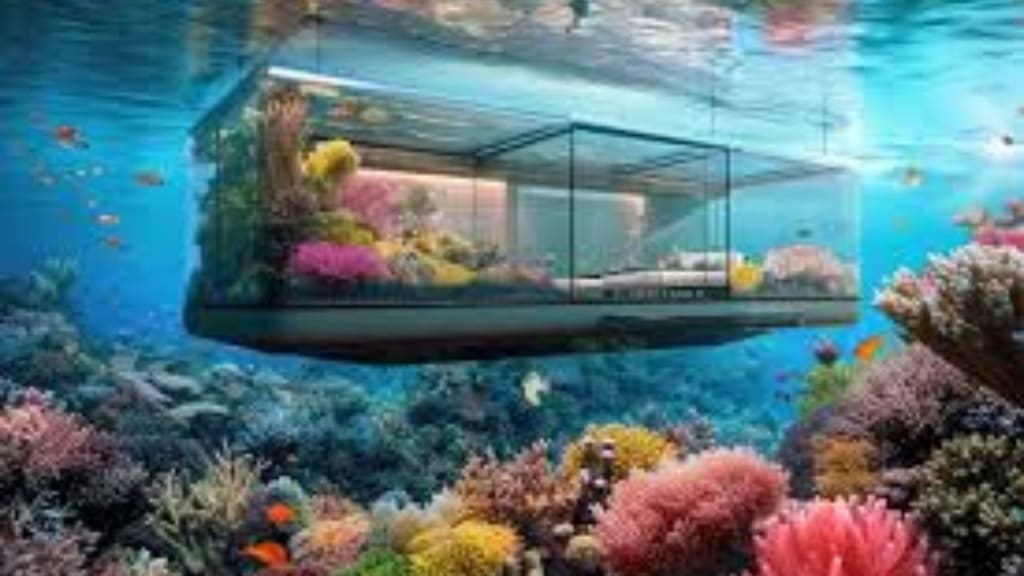
The ocean covers more than 70% of the Earth’s surface, and beneath its vast, mysterious waters lies one of the most fascinating ecosystems on the planet. Among these aquatic wonders are the world’s richest underwater habitats-coral reefs. But what makes this marine environment so special, and why is it often regarded as Earth's most diverse and productive ecosystem? Let’s dive into the secrets behind the world's richest underwater habitat.
Coral Reefs: The Rainforests of the Sea
Coral reefs are often called the "rainforests of the sea" due to their incredible biodiversity. Although they cover less than 1% of the ocean floor, corals support about 25% of all marine life. Having a diverse ecosystem is key to their richness. Thousands of species, from tiny plankton to large predatory fish, rely on coral reefs for food, shelter, and breeding grounds.
The intricate network of coral polyps—the building blocks of reefs—creates a complex structure that provides a habitat for an astonishing variety of organisms. From colourful fish to crustaceans, sponges, and molluscs, reefs teem with life and play a critical role in marine food chains.
The Secret of Coral Polyps: Tiny Architects
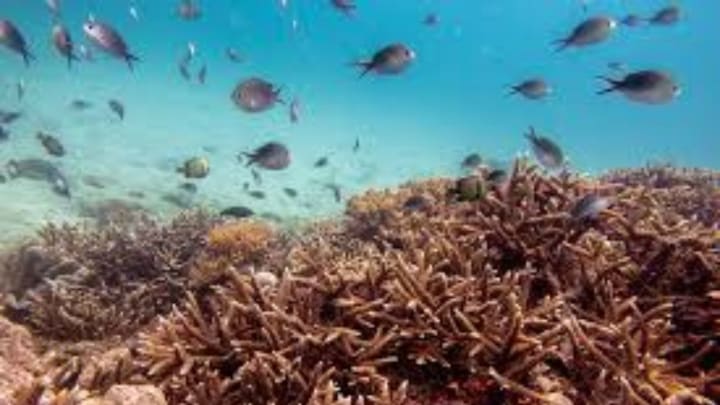
At the heart of a reef's richness are coral polyps, the tiny, soft-bodied organisms that form coral. These polyps produce calcium carbonate, which forms the hard skeleton of coral reefs. Over time, as polyps multiply, they create vast reef structures, providing shelter for countless species.
But what makes coral polyps unique is their symbiotic relationship with zooxanthellae, a type of algae. These algae live within coral tissue, supplying the coral with nutrients through photosynthesis. In return, coral offers algae a safe place to live. This partnership fuels productivity and vibrancy in coral reefs, making them among the richest ecosystems on Earth.
Nutrient Cycling: The Engine of Richness
One of the secrets of the world’s richest underwater habitats is its efficient nutrient cycling. Coral reefs are found in nutrient-poor waters, but they thrive due to the efficient recycling of nutrients within the ecosystem. Fish, invertebrates, and algae constantly exchange nutrients, ensuring that nothing is wasted.
For example, herbivorous fish feed on algae and detritus, converting them into nutrients that other organisms on the reef can use. This tight-knit cycle of life allows coral reefs to sustain a vast array of species, even in waters where nutrients are scarce.
Marine Diversity: A Web of Life
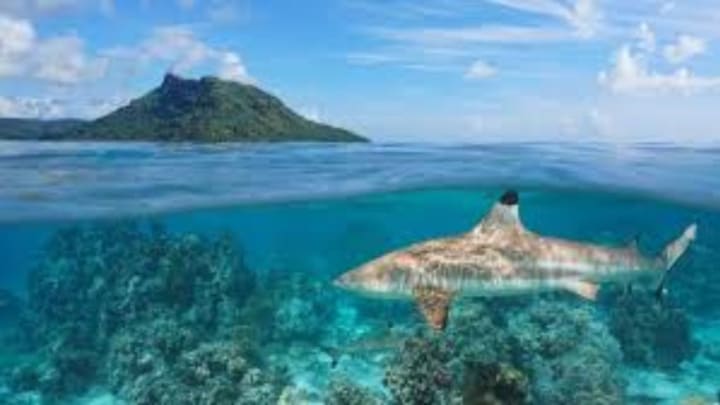
Coral reefs are home to an incredible diversity of marine life, from brightly coloured clownfish to majestic sea turtles and elusive sharks. This diversity is what makes the habitat so rich and resilient. Each species plays a specific role within the ecosystem, contributing to its overall health and productivity.
Predators keep herbivore populations in check, preventing overgrazing of algae that could smother the coral. Meanwhile, herbivores ensure that coral polyps have access to sunlight by consuming algae. This balanced ecosystem allows coral reefs to thrive and sustain their diversity.
Threats to Coral Reefs: Conservation Imperatives
While coral reefs are the richest underwater habitats, they are also among the most threatened. Climate change, ocean acidification, pollution, and overfishing are taking a toll on these fragile ecosystems. Rising sea temperatures cause coral bleaching, where corals expel their symbiotic algae, leading to mass die-offs. Overfishing disrupts the balance of marine life, while pollution from land-based activities smothers coral reefs with sediments and toxins.
Conservation Efforts: Saving the Rich Habitat
Conservationists and scientists have been working tirelessly to protect coral reefs. Restoration projects, marine protected areas, and sustainable fishing practices are just some of the efforts being implemented to preserve these vital habitats. Coral farming, where damaged reefs are restored by growing the latest coral in nurseries and transplanting them back into the wild, is a promising solution.
Frequently Asked Question
What is the world’s richest underwater habitat?
The world’s richest underwater habitat is the coral reef ecosystem. It hosts an incredible variety of marine life, making it one of the most diverse and productive ecosystems on the planet.
Why are coral reefs often called the ‘rainforests of the sea’?
Coral reefs are called the 'rainforests of the sea' because, like rainforests, they are rich in biodiversity. Though they cover a small portion of the ocean floor, they are home to approximately 25% of all marine species.
How do coral polyps contribute to the richness of coral reefs?
Coral polyps are tiny organisms that create the hard skeletons of coral reefs. They build intricate structures that provide habitats for numerous marine species, contributing to the reef's biodiversity and richness.
What role do symbiotic relationships play in coral reef ecosystems?
Coral polyps and algae called zooxanthellae have a symbiotic relationship. The algae provide food to the coral through photosynthesis, and in return, the coral offers them a protected environment. This relationship is essential to the health and productivity of coral reefs.
Why are coral reefs under threat?
Coral reefs face numerous threats, including climate change, pollution, ocean acidification, and overfishing. Rising ocean temperatures cause coral bleaching, while pollution and unsustainable fishing practices harm the delicate reef ecosystem.
How can we help protect coral reefs?
Coral reefs can be protected through marine conservation efforts such as establishing marine protected areas, reducing carbon emissions to combat climate change, controlling pollution, and supporting sustainable fishing practices. Restoration projects like coral farming also help rebuild damaged reefs.
What makes coral reefs so important to the marine environment?
Coral reefs support marine biodiversity by providing food, shelter, and breeding grounds for a vast range of species. They also protect coastlines from erosion and contribute to local economies through tourism and fishing.
What makes coral reefs so important to the marine environment?
Coral reefs support marine biodiversity by providing food, shelter, and breeding grounds for a vast range of species. They also protect coastlines from erosion and contribute to local economies through tourism and fishing.
Where can you find the most famous coral reefs in the world?
Some of the most famous coral reefs include the Great Barrier Reef in Australia, the Coral Triangle in Southeast Asia, and the Mesoamerican Barrier Reef in the Caribbean. These areas are known for their stunning marine biodiversity.
/VIDEO
Conclusion
The secret of the world’s richest underwater habitat lies in its incredible biodiversity, the symbiotic relationships that fuel its productivity, and the efficient nutrient cycling that sustains life in nutrient-poor waters. Coral reefs are a testament to the ocean’s capacity for life, but they are also a reminder of the delicate balance that sustains our planet’s ecosystems. Protecting coral reefs is essential for the health of the oceans and the countless species that depend on them.
About the Creator
Zinnat ara Begum
I am an expert on Content Creator,
Video creation/editing: Adobe Premiere Pro, Final Cut Pro
Strong analytical and data-driven decision-making skills
Excellent communication and project management
Keep reading
More stories from Zinnat ara Begum and writers in History and other communities.
Trudeau Accuses India of 'Massive Mistake' Amid Diplomatic Row
A major diplomatic conflict has emerged between Canada and India as Canadian Prime Minister Justin Trudeau publicly accused India of making a "massive mistake." This row has drawn global attention, straining relations between the two countries. The core of the issue stems from accusations, counterclaims, and concerns about sovereignty and international relations. In this article, we explore the background, key events, and potential consequences of the escalating tensions between Canada and India.
By Zinnat ara Begumabout a year ago in History


Comments
There are no comments for this story
Be the first to respond and start the conversation.