
Why Goddesses Are More Attracted Than Gods in Hindu Worship
The Rise of Goddess Worship: Exploring the Power and Attraction of the Feminine Divine
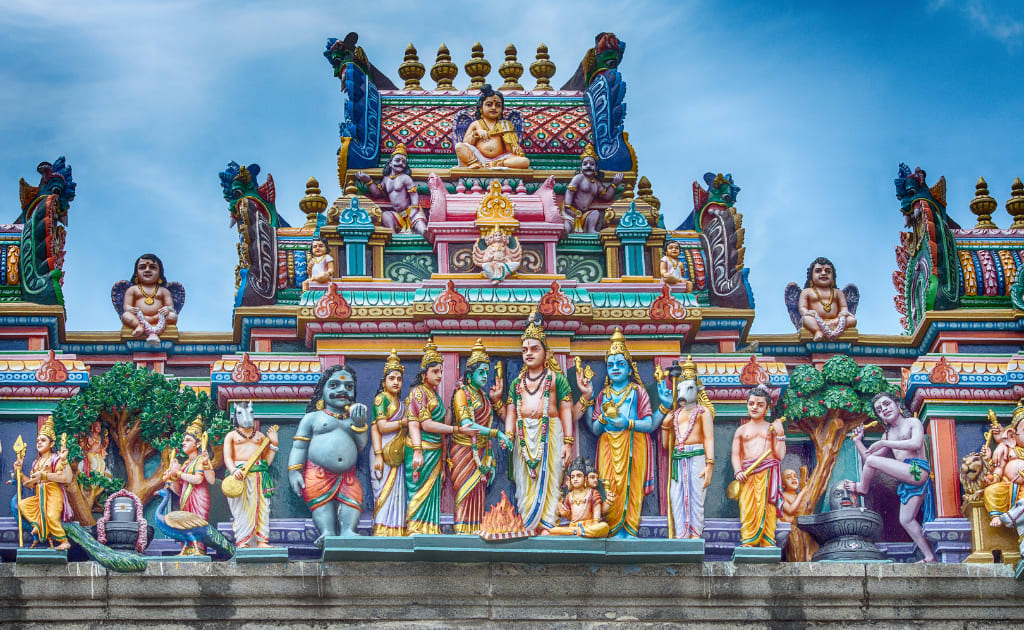
In Hinduism, the divine is often represented in both masculine and feminine forms, with deities embodying a wide range of qualities and powers. While gods like Brahma, Vishnu, and Shiva hold revered positions in the pantheon, it is the goddesses who seem to have drawn the most attention and reverence over the centuries.
This phenomenon is not just a passing trend but an enduring aspect of Hindu worship. From personal devotion to grand temples, goddesses have garnered a deep connection with devotees that is both emotional and spiritual. But why has this attraction toward the goddess been so pronounced?
The Power of the Feminine in Hindu Mythology
In Hindu mythology, the divine feminine is considered a dynamic, creative, and transformative force. The goddesses are not passive beings, but active agents of creation, preservation, and destruction, often with powers that surpass even those of the gods.
Whether it’s the fierce Kali, the nurturing Lakshmi, or the wise and powerful Saraswati, goddesses represent a broad spectrum of divine qualities. This diversity in their manifestations makes them incredibly relatable and accessible to human emotions and experiences.
Gods like Brahma, Vishnu, and Shiva may be considered essential for the cosmic functions of creation, preservation, and destruction, but it is the goddesses who are often seen as the heart and soul of human devotion. Their forms encompass both the nurturing and the destructive, making them symbols of power and protection, as well as compassion and grace. This duality in their nature allows for a more profound emotional connection.
Cultural and Societal Shifts: The Rise of Shakti Worship
In ancient times, many societies, including the Vedic traditions, emphasized the worship of male deities. However, over time, the rise of Shakti worship — the reverence of the goddess as the supreme cosmic force — led to a greater focus on female deities in Hinduism. Shakti is the creative energy that manifests through the goddess, and this energy is often regarded as the driving force behind the universe’s creation, maintenance, and destruction.
As society evolved, the feminine energy or Shakti became synonymous with not only the cosmos but also with fertility, abundance, and life itself. The worship of goddesses became an expression of the deepest human desires for prosperity, well-being, and protection, which made the feminine divine more accessible to people.
Goddesses like Durga, Kali, and Parvati became representations of power that could provide both physical and emotional support to devotees. Whether it was in times of war (Durga) or in times of abundance (Lakshmi), the goddess was seen as an omnipresent protector and nurturer.
The Kamakshi Amman Temple: A Symbol of Goddess Worship
One of the most famous temples dedicated to the feminine divine is the Kamakshi Amman Temple in Kanchipuram, Tamil Nadu. Kamakshi, an incarnation of the goddess Parvati, is revered as the embodiment of divine love, compassion, and power. The temple is one of the Saptakshi (seven significant temples dedicated to the goddess) and stands as a testament to the central role that goddesses play in Hindu worship.
The Kamakshi Amman Temple is especially significant because it is not only a center of devotion but also a place of deep philosophical and spiritual reflection. The goddess Kamakshi is often depicted sitting in a meditative posture, representing both her internal strength and her nurturing nature. Unlike many other deities, who may have larger temples with vast expansive courtyards, the Kamakshi Temple has a more intimate atmosphere, inviting devotees to come closer to the goddess and connect with her on a personal level.
This personal connection is one of the reasons why goddesses like Kamakshi are so revered. The image of a powerful yet nurturing mother figure who listens to the prayers of her children resonates deeply with the human condition, making goddess worship more intimate and accessible.
The Emotional and Spiritual Connection
Goddesses offer an emotional connection that is often more personal and comforting compared to the more detached or lofty concepts of male deities. Many devotees find solace in the thought that the goddess is not just a creator or a destroyer but also a protector who cares deeply for her followers.
This emotional closeness is particularly evident in festivals and rituals dedicated to the goddess. Celebrations like Durga Puja, Navratri, and Diwali all have a feminine focus, where the goddess is invoked for blessings, strength, and prosperity. The devotion displayed during these festivals often transcends ritual, becoming a communal celebration of femininity, resilience, and divine power. The goddess becomes a force that not only transforms the environment but also transforms the devotee’s heart.
Why Has the Goddess Become More Attractive in Modern Times?
In modern times, the attraction to goddesses has only increased. In a rapidly changing world, many seek comfort in the idea of a divine mother who is always watching over them. The growing empowerment of women across the world parallels the increasing reverence for the feminine divine in Hinduism. As women increasingly find their voice in society, the goddess represents a symbol of empowerment, balance, and strength.
The contemporary world values qualities such as intuition, wisdom, and compassion, which are often embodied by goddesses. These qualities, associated with the feminine, are now being celebrated in ways that were not as apparent in earlier centuries. As a result, more devotees are finding themselves drawn to the nurturing and dynamic nature of goddesses.
Conclusion: The Enduring Power of the Goddess
The attraction to goddesses in Hinduism is not simply a passing trend but a deep-rooted aspect of spiritual and emotional life. From the nurturing Kamakshi Amman Temple in Kanchipuram to the fierce yet protective forms of Kali and Durga, goddesses have always been seen as multifaceted beings who resonate with devotees on an emotional and spiritual level. They are the source of creation, the embodiment of strength, and the ultimate protectors who offer a sense of security and comfort.
As Hinduism continues to evolve, the worship of goddesses will remain central to the faith, providing a timeless connection that speaks to the hearts of millions across the world.
About the Creator
Keep reading
More stories from Sri Kamakshi Ambal Temple and writers in History and other communities.
The Enigmatic Scarcity of Brahma Temples in Indian Mythology
Indian mythology is rich with captivating stories and profound symbolism, and among its many fascinating aspects lies the intriguing scarcity of temples dedicated to Lord Brahma, the creator of the universe. While temples dedicated to Lord Vishnu and Lord Shiva are widespread across India, Brahma’s shrines remain exceptionally rare.
By Sri Kamakshi Ambal Temple12 months ago in History
3 True Stories People Refused to Believe Until the Evidence Appeared
Human beings have a remarkable ability to hear something true and immediately file it under “absolutely not.” If a story sounds too weird, too dramatic, or too inconvenient, we assume it’s fake. We say it’s a conspiracy theory, urban legend, or drunk uncle material. Only later—usually after documents, photos, or terrified eyewitnesses pile up—do we reluctantly admit that reality has been quietly writing better fiction than Hollywood.
By Enoch Sagini3 days ago in History
Reform or Replace? The Future of Global Governance
Reform or Replace? The Future of Global Governance Global governance stands at a critical crossroads. Institutions created after World War II—especially the United Nations—were designed to prevent another global catastrophe. For decades, they provided platforms for dialogue, coordination, and conflict management. But today, many people question whether these institutions still work as intended. The growing debate is no longer just about reform. It is about whether global governance should be repaired or replaced entirely.
By Wings of Time 5 days ago in History


Comments
There are no comments for this story
Be the first to respond and start the conversation.