
When the British Ruled Pakistan. A Story of Power, Places, and Parting.
In the early 19th century, long before Pakistan became an independent nation, the British arrived in South Asia with a dream to control trade, expand their empire, and bring their ways of governance to the Indian subcontinent. Slowly, through wars, treaties, and cunning diplomacy, they took control of vast lands, including the regions that today make up Pakistan. By 1849, after defeating the Sikh Empire, the British formally annexed Punjab and added it to their colonial rule. From that point onward, what we now call Pakistan became a vital part of British India.

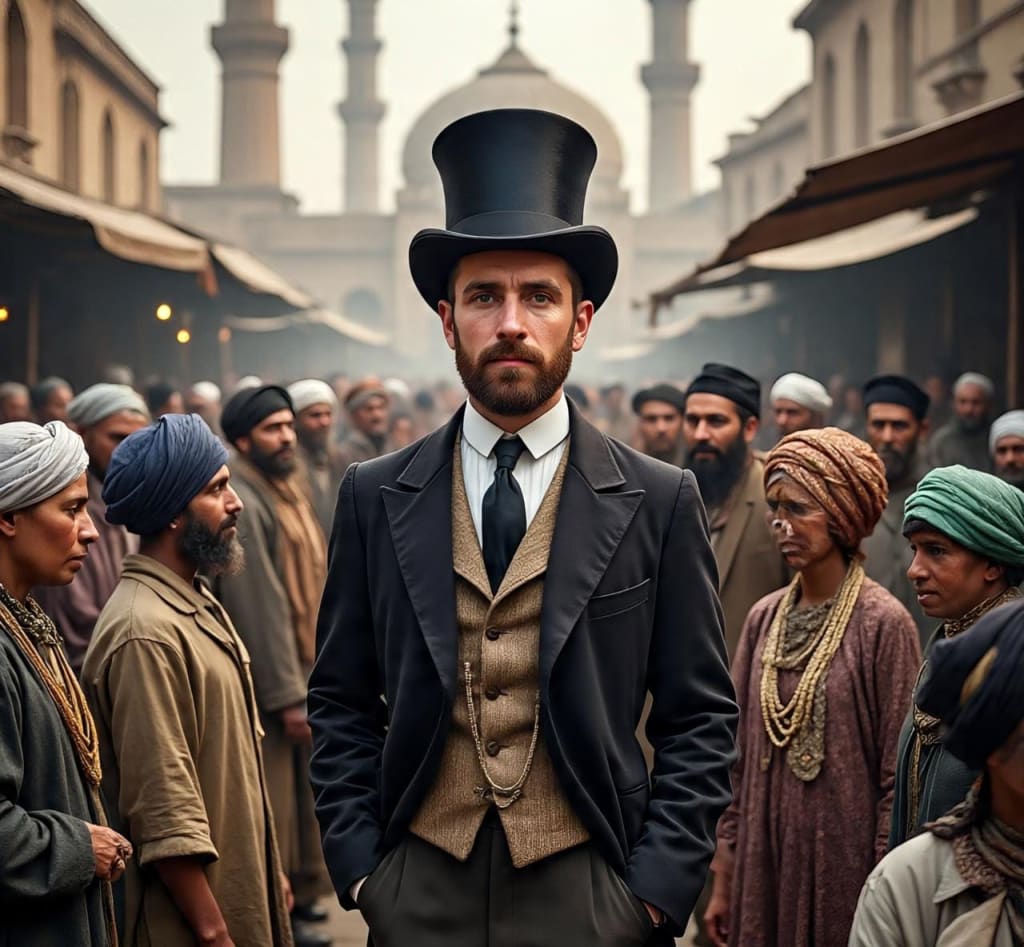
Where the British Lived
The British officials, soldiers, and their families lived in carefully chosen areas across present-day Pakistan. They picked places with cooler climates, strategic importance, and scenic beauty. Their settlements were built in the style of English countryside towns, with bungalows, clubs, churches, gardens, and markets.
One of their favorite places was Murree, a small hill station near Rawalpindi. Nestled among pine-covered mountains, Murree became the summer retreat for British officers and their families. Every year, during the hot months, the British would move their offices and homes to Murree to escape the scorching heat of the plains. They built colonial-style houses, roads, and even a church, which still stands today. The Mall Road in Murree was the center of social life, where British officers and their families would stroll, shop, and enjoy cool evenings.
In the plains, they established cantonments (military garrisons) in cities like Rawalpindi, Lahore, Peshawar, and Karachi. These cantonments had wide, tree-lined streets, large houses, and clubs exclusively for Europeans. In Lahore, the British also developed the Civil Lines, an area separate from the native city, where the British administrators lived. They built majestic buildings like the Lahore High Court, Government College, and the beautiful Lahore Museum, leaving behind an architectural legacy still visible today.
Karachi, then a small port town, was developed into a modern harbor city by the British. They built the Frere Hall, Empress Market, and elegant colonial buildings in Saddar, creating a thriving center for trade and administration.
Even in far-off Quetta and Abbottabad, the British created charming settlements, complete with churches, clubs, and schools for their children. The climate in these areas reminded them of England, making them feel more at home despite being thousands of miles away.
Life Under British Rule
For the British, life in these towns was a mix of duty and leisure. They ruled over millions of people, managed railways and canals, collected taxes, and maintained law and order. But they also enjoyed their exclusive social life, playing cricket and polo, hosting grand dinners at the club, and organizing garden parties. Their lives were comfortable, but separated from the lives of the locals, who often worked as servants, clerks, or soldiers under British command.
The British also brought their education system, legal institutions, and railways, which modernized many aspects of life. However, their rule also brought hardships, as heavy taxes and strict policies made life difficult for ordinary people.
When They Left
The story of the British in Pakistan came to an end in 1947, after decades of struggle by the people of India and Pakistan for independence. The demand for a separate homeland for Muslims, led by Muhammad Ali Jinnah and the All-India Muslim League, grew stronger during the 1940s. The British realized that they could no longer hold on to their vast colony, especially after World War II, which had weakened Britain’s power.
On August 14, 1947, Pakistan was born as an independent country. The Union Jack was lowered for the last time, and the green and white flag of Pakistan was raised across the land. The British officials, soldiers, and their families packed their bags and boarded ships and planes back to England. Many of the buildings and homes they left behind were taken over by Pakistani officers and institutions.
A Lasting Legacy
Even after they left, the British left behind traces of their presence in Pakistan — grand buildings, railway tracks, hill stations, clubs, and even traditions like cricket. Some of their old homes in Murree, Lahore, and Karachi still stand as silent witnesses to a time when British voices echoed in these streets.
The British chapter in Pakistan’s history is one of power, resistance, and transformation. While their departure opened the doors for freedom and self-rule, the memories of their time in Pakistan live on in the stones of their buildings, the gardens they planted, and the history they shaped.
About the Creator
Seven Dials
Introduction Seven Dials is a famous and historic area located in London, England. It is found near Covent Garden, one of the busiest and most popular parts of the city. Seven Dials is known for its unique road design, rich history, old buildings, shops, cafés, and lively atmosphere. Today, it is a popular place for tourists and local people who enjoy culture, shopping, and history.
By Farhan Sayed4 days ago in History
A secret staircase found beneath a 1,500-year-old French church
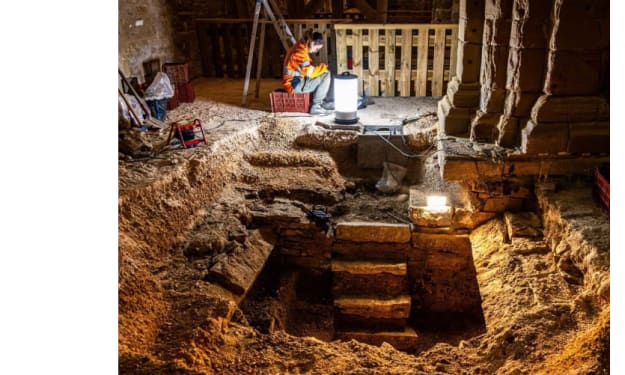
A subterranean staircase and burial strata dating back approximately 1,500 years were discovered during a project inside the Church of Saint Philibert in Dijon, France. The stairs were discovered by restoration workers inside the church when repairs were being made, and the excavation soon ensued.
By Francis Dami5 days ago in History
Wild Card Weekend Recap: What Happens Now?
I think I figured out why I love Wild Card Weekend so much. It's because it's the first playoff anything of the calendar year. The NFL season starts in the fall, and once upon a time, the champion was crowned either on or slightly before New Year's. The evolution of the NFL schedule has resulted in the playoffs starting just into the New Year, and currently, the final week of the season falls on the first weekend of the New Year, with Wild Card Weekend coming a week after that. So yes, chronologically, the NFL's Wild Card Weekend serves as the first playoff anything of the calendar year.
By Clyde E. Dawkins7 days ago in Unbalanced


Comments
There are no comments for this story
Be the first to respond and start the conversation.