
What Festivals Are Celebrated in December Around the World?
December festivals across the globe

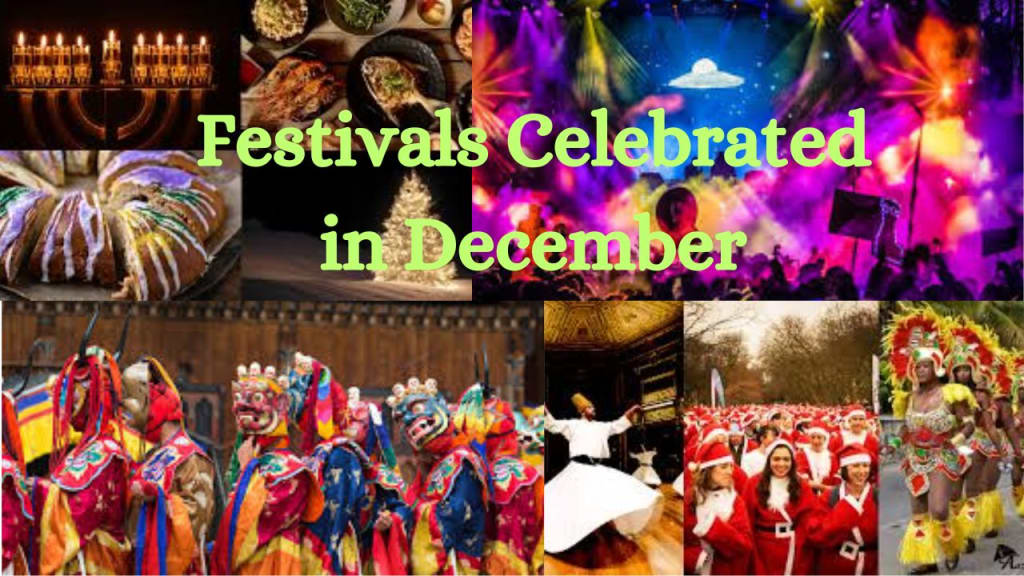
December is the month of celebrations, joy, and cultural diversity. People across the globe embrace this festive season through unique traditions, creating memories that last a lifetime. From religious observances to cultural events, the final month of the year holds significant importance for communities worldwide. This article explores some of the most prominent and fascinating festivals celebrated in December, highlighting the diversity that makes this season magical.
Christmas (December 25th)
One of the most widely celebrated festivals, Christmas marks the birth of Jesus Christ in the Christian tradition. Beyond its religious significance, Christmas has become a global event celebrated by people of all faiths.
Where: Christmas is celebrated worldwide, with major festivities in countries such as the United States, UK, Australia, Canada, and most European nations.
Traditions: Decorating Christmas trees, singing carols, exchanging gifts, attending midnight masses, and feasting with loved ones.
Unique Aspect: While the Western tradition includes Santa Claus, in Iceland, the "Yule Lads" deliver gifts. In Japan, Christmas is celebrated by eating KFC, a tradition that began with a marketing campaign in the 1970s.

Hanukkah
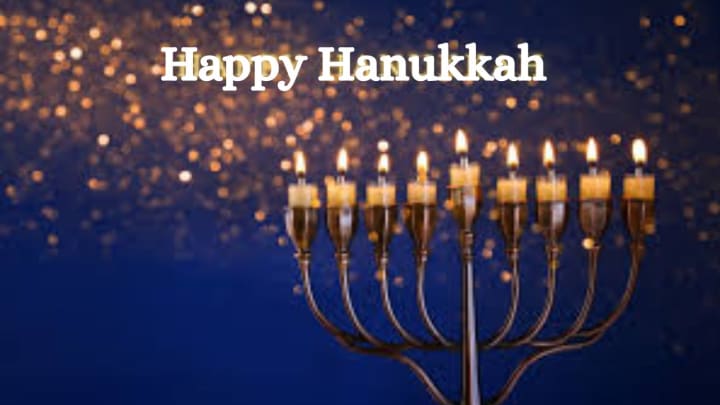
Known as the Festival of Lights, Hanukkah is an eight-day Jewish celebration commemorating the rededication of the Second Temple in Jerusalem and the miracle of the oil that lasted for eight days.
Where: Celebrated by Jewish communities around the world, especially in Israel and the United States.
Traditions: Lighting the menorah each night, playing dreidel games, and eating oil-fried foods such as latkes (potato pancakes) and sufganiyot (jelly-filled doughnuts).
Unique Aspect: The menorah lighting tradition includes adding one candle each night until all eight are lit on the final day.
Kwanzaa (December 26th - January 1st)
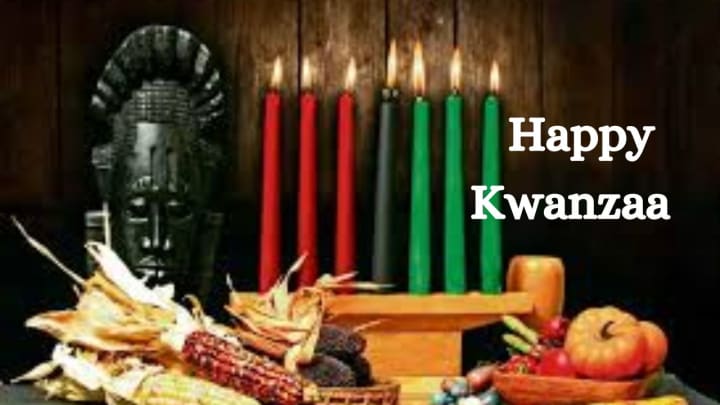
Kwanzaa is a week-long celebration of African heritage and culture, observed primarily in the United States. It was created in 1966 by Dr Maulana Karenga to honour African roots and foster unity.
Where: The United States, Canada, and other nations with African diaspora communities.
Traditions: Lighting the Kinara (candleholder), storytelling, exchanging symbolic gifts, and reflecting on seven principles, such as unity and collective responsibility.
Unique Aspect: Each day of Kwanzaa highlights a specific principle, making it both a cultural and educational event.
Boxing Day (December 26th)
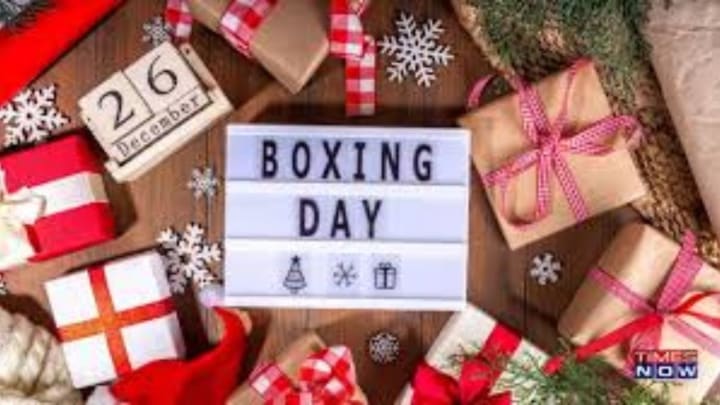
Several countries observe Boxing Day as a public holiday where people shop, play sports, and relax after Christmas.
Where: Common in the UK, Canada, Australia, and New Zealand.
Traditions: Shopping sales, participating in or watching sports events, and spending time with family.
Unique Aspect: Traditionally, it was a day when servants and the less fortunate received gifts, hence the name "Boxing Day."
New Year's Eve (December 31st)
The last day of the year, New Year's Eve, is a global celebration welcoming the arrival of the New Year with hopes and resolutions.
Where: Celebrated worldwide.
Traditions: Fireworks, countdown parties, champagne toasts, and making New Year resolutions.
Unique Aspect: In Spain, eating 12 grapes at midnight is a tradition believed to bring good luck for each month of the upcoming year.
Ōmisoka (December 31st)
Ōmisoka is Japan’s traditional way of bidding farewell to the old year and welcoming the new one.
Where: Japan.
Traditions: Cleaning homes, eating toshikoshi soba (buckwheat noodles), and visiting temples or shrines.
Unique Aspect: The Toshi Koshi soba noodles symbolize long life and a smooth transition into the New Year.
Las Posadas (December 16th - 24th)
Las Posadas is a Mexican festival that re-enacts Mary and Joseph's search for shelter before the birth of Jesus.
Where: Mexico and other Latin American countries.
Traditions: Nightly processions, singing carols, and breaking piñatas filled with candy and treats.
Unique Aspect: Communities gather to host each night’s Posada, ending with prayers and festive gatherings.
Saint Nicholas Day (December 6th)
Saint Nicholas Day is a celebration of the legendary patron saint of children, sailors, and merchants.
Where: Celebrated in Germany, the Netherlands, Austria, and parts of Eastern Europe.
Traditions: Leaving shoes or stockings out to be filled with candy and small gifts.
Unique Aspect: This tradition inspired the modern-day Santa Claus and Christmas stockings.
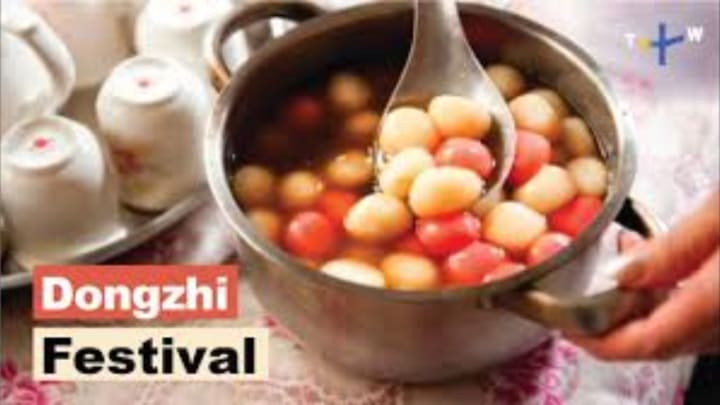
Dongzhi Festival (Winter Solstice)
Dongzhi, meaning "winter’s arrival," is an East Asian festival marking the year's shortest day.
Chinese, Taiwanese, and other East Asian countries.
Traditions: Eating tangyuan (glutinous rice balls) to symbolize family unity and harmony.
Unique Aspect: It is believed to restore balance between yin and yang, marking the return of longer days.
Why December is Special
The month of December brings people together across cultures and religions. Each festival carries its unique significance, but they all share a common theme: unity, reflection, and celebration.
Whether lighting the menorah for Hanukkah, decorating a Christmas tree, or enjoying fireworks on New Year’s Eve, December’s festivities remind us of connection and gratitude.
Conclusion
From the glowing menorahs of Hanukkah to the joyful reunions of Kwanzaa and the firework-filled skies of New Year’s Eve, December’s festivals bring warmth and wonder to the year’s end. Celebrating these diverse traditions helps us appreciate the rich cultural tapestry that defines humanity. Which of these festivals have you celebrated, or which ones are on your bucket list? Let us know!
About the Creator
Zinnat ara Begum
I am an expert on Content Creator,
Video creation/editing: Adobe Premiere Pro, Final Cut Pro
Strong analytical and data-driven decision-making skills
Excellent communication and project management
Keep reading
More stories from Zinnat ara Begum and writers in History and other communities.
The countries that have Love symbols
A love that transcends culture, time, and borders cannot be contained. Every country has its unique way of representing love through symbols, landmarks, and traditions celebrating affection and connection. Whether it’s a romantic monument or a cultural icon, these symbols carry deep significance for people worldwide. Let’s explore some countries where symbols of love are celebrated.
By Zinnat ara Begumabout a year ago in History
Understanding the Insurrection Act
The Insurrection Act is one of the most powerful and least understood laws in American history. Often mentioned during times of national unrest, it gives the president authority to deploy federal troops within the United States under specific circumstances. While it is rarely used, public interest in the law has grown in recent decades, leading many to ask: what is the Insurrection Act, and why does it matter today? What Is the Insurrection Act? To put it simply, the Insurrection Act of 1807 is a federal law that allows the president to use the U.S. military to suppress civil disorder, insurrection, or rebellion when state authorities are unable or unwilling to do so. If you are wondering what is the Insurrection Act used for, the answer lies in restoring order when local and state governments can no longer maintain public safety. People often search phrases like what is insurrection act or even the misspelled insurection act because the law tends to resurface during moments of crisis. Despite the confusion around its name, the authority it grants is very real and legally binding. What Is the Insurrection Act of the U.S.? So, what is the Insurrection Act of the US in legal terms? It is a collection of statutes now codified under Title 10 of the U.S. Code. The act provides exceptions to the Posse Comitatus Act, which generally prohibits the military from acting as domestic law enforcement. Under the Insurrection Act, the president can federalize the National Guard or deploy active-duty troops if constitutional rights are being violated or if violence prevents the execution of federal law. This is why many people ask, what is the Insurrection Act USA, especially when protests or riots dominate national headlines. The Insurrection Act and Its Historical Use Throughout American history, the act has been invoked sparingly but decisively. One of the most notable examples often referenced is the Insurrection Act 1992, when President George H. W. Bush deployed federal troops to Los Angeles following the Rodney King verdict. Local authorities had lost control, and the federal government stepped in to restore order. Earlier uses date back to the Civil War era and the Civil Rights Movement. Presidents Eisenhower and Kennedy relied on the act to enforce school desegregation in Southern states when state governments resisted federal court orders. These moments illustrate what the Insurrection Act is used for at its core: enforcing the rule of law when normal systems fail. Trump and the Insurrection Act In modern political discourse, the law became widely discussed during the presidency of Donald Trump. Searches for Trump Insurrection Act or Insurrection Act Trump surged during periods of nationwide protests, particularly in 2020. Although the act was never formally invoked during those protests, President Trump publicly considered its use, bringing renewed attention to the scope and limits of presidential power. The phrase insurrection act invoked often appears in news coverage, but it is important to note that discussing invocation and actually using the law are two very different things. The debate surrounding Trump Insurrection Act scenarios highlighted concerns about civil liberties, federal overreach, and the balance of power between states and the federal government. What Is the Insurrection Act in Minnesota? A common question during periods of regional unrest is what is the Insurrection Act in Minnesota or in other specific states. Legally, the act does not change from state to state. However, its application depends on circumstances within a particular state. If a governor requests federal assistance or if the president determines that constitutional rights cannot be protected locally, the Insurrection Act may apply. Minnesota, like every other state, falls under the same federal framework. The law does not target any single state; it responds to conditions on the ground. What Is the Insurrection Act Used For Today? In today’s environment, many Americans ask, what is the Insurrection Act used for in a modern democracy with established institutions. Supporters argue it is a necessary safeguard for extreme emergencies. Critics counter that it grants sweeping powers that could be misused if political tensions escalate. Understanding what is the Insurrection Act? requires recognizing that it is both a legal tool and a symbol. Its mere mention can influence public perception, markets, and political debate, even when it is not formally applied. Ongoing Debate and Public Concern The Insurrection Act remains controversial because it sits at the intersection of security and freedom. While it has been used to protect civil rights in the past, critics worry about potential misuse in polarized times. This tension explains why questions like what is the Insurrection Act of the US continue to trend whenever civil unrest occurs. Ultimately, the law reflects a fundamental challenge in governance: how to maintain order without undermining democracy. The fact that it has existed since 1807 and remains largely unchanged shows both its durability and its complexity. Final Thoughts The Insurrection Act is not a law that affects daily life, but it plays a critical role during extraordinary moments. From the Insurrection Act of 1807 to discussions around Insurrection Act 1992 and Insurrection Act Trump, its history mirrors the nation’s struggles with unity, authority, and rights.
By Saboor Brohi 3 days ago in History
From Desert Sands to a Global City
Long before Dubai became a city of glittering skyscrapers and global ambition, it was a quiet settlement shaped by the desert, the sea, and the determination of its people. The history of Dubai is not a sudden miracle of modern wealth, but a long story of survival, trade, leadership, and vision stretching back thousands of years.
By The best writer 5 days ago in History


Comments
There are no comments for this story
Be the first to respond and start the conversation.