
What advantages did Germans have during Nazi Germany?
Nazi German

What advantages did Germans have during Nazi Germany?
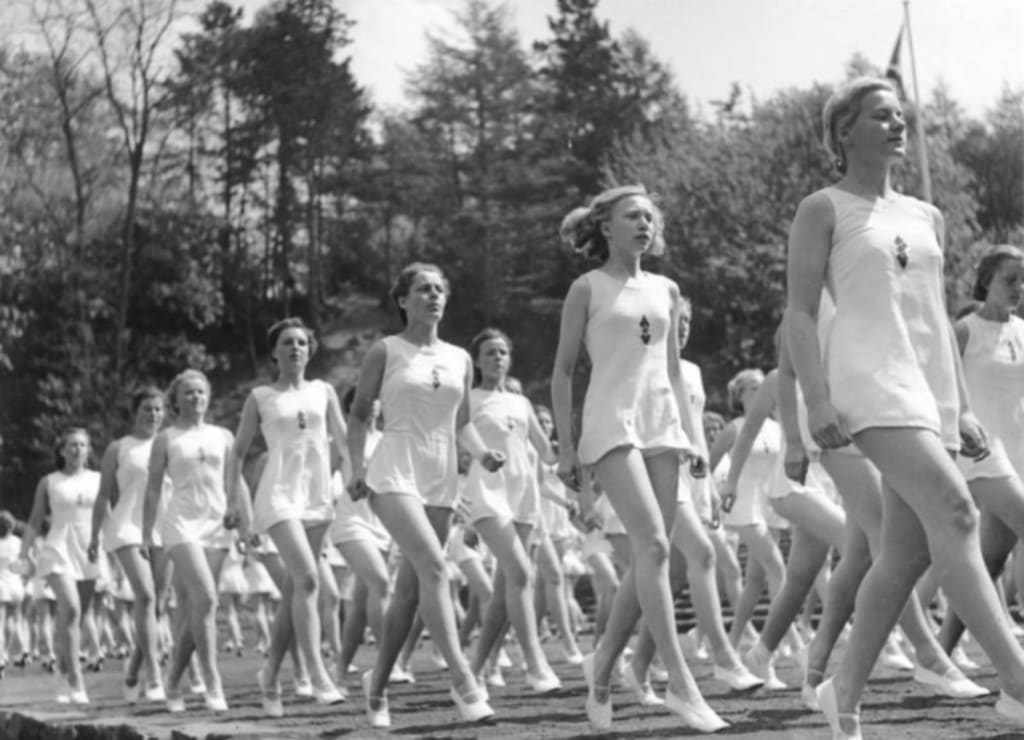
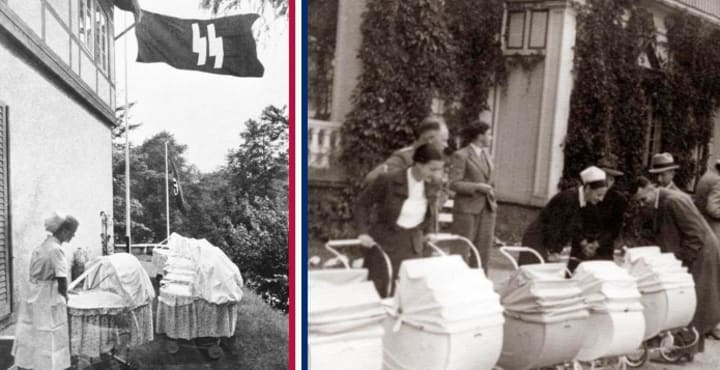
Nazi Germany under Adolf Hitler sought to create a highly structured society based on racial ideology discipline and nationalistic fervor. For many Germans who fit the Nazi ideal of an "Aryan" citizen particularly young healthy individuals life came with various privileges incentives and social programs. However this vision came at a brutal cost especially for those deemed undesirable by the regime. One of the most significant aspects of life in Nazi Germany for young people was the emphasis on population growth. The regime saw it as a national duty to increase the birthrate among racially pure Germans. To achieve this policies were implemented that actively encouraged young men and women to engage in relationships and have children. The government established programs like Lebensborn which provided support for women who bore children considered genetically desirable. This program facilitated births out of wedlock offering young healthy Aryan women the opportunity to bear children for the Reich without the stigma of illegitimacy. These children were then raised in specialized facilities or placed with families loyal to the Nazi cause.
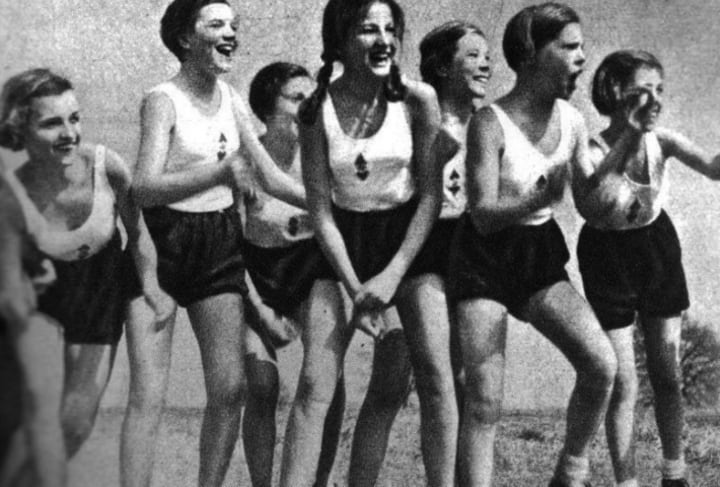
The Nazis also introduced awards such as the Cross of Honour of the German Mother given to women who had multiple children. This was part of a broader effort to reshape German society emphasizing motherhood as a noble and essential duty. Women who bore large families were treated with respect and admiration while those who refused to conform to the idealized role of the German mother faced social pressure and in some cases state intervention. Beyond reproduction the regime placed immense emphasis on physical fitness discipline and camaraderie among young Germans. The Hitler Youth and the League of German Girls were organizations designed to indoctrinate children into Nazi ideology while fostering physical and military preparedness. Sports hiking and other outdoor activities were heavily promoted creating a culture where physical strength and endurance were seen as moral virtues. Unlike the previous generation which had embraced the decadent cosmopolitan culture of the 1920s young people in Nazi Germany were encouraged to view manual labor and physical effort as noble pursuits. The idea was that a physically fit and disciplined youth would grow into a strong obedient population ready to serve the Reich in both civilian and military capacities.
The Nazi leadership also understood that war would bring massive casualties necessitating a long term plan for population replenishment. By promoting a high birth rate among select groups they aimed to ensure that future generations would be ready to take over the conquered territories of Europe. In occupied regions Germanization policies were implemented and children of acceptable racial backgrounds were often kidnapped and raised as Germans. This process was especially common in Eastern Europe where thousands of Polish Czech and other Slavic children were taken from their families and given to SS approved German families.
For young men life in Nazi Germany offered structured opportunities for advancement through military service and participation in state controlled organizations. Those who excelled in the Hitler Youth could transition into elite units such as the SS or other branches of the military. The sense of belonging purpose and adventure attracted many young Germans making them eager participants in the regime’s war efforts. At the same time the economic conditions of Germany during the early years of Nazi rule improved for many desirable citizens. Hitler’s government implemented large scale infrastructure projects including the construction of the Autobahn which provided employment opportunities and reinforced the image of a revitalized, prosperous nation. The state controlled much of the economy, ensuring that those who conformed to its ideology benefited from financial stability job security and social mobility. However this apparent prosperity and stability came at a devastating cost to those who did not fit the Nazi vision of the ideal citizen. Jews Romani people disabled individuals, homosexuals political dissidents and others faced increasing persecution forced sterilization concentration camps and eventually mass murder. While select Germans enjoyed state sponsored benefits and privileges entire communities were systematically erased to make way for the Nazi vision of racial purity.

The illusion of a thriving society began to crumble when the war turned against Germany. By the early 1940s food shortages, bombing raids and mass conscription disrupted daily life. The privileges that many young Germans had enjoyed in the 1930s such as sports programs free education and youth oriented social structures were overshadowed by the brutal reality of war. The idealistic promises of Nazi propaganda proved hollow as cities were reduced to rubble millions of soldiers perished, and the country faced total devastation. Ultimately the Nazi regime’s attempt to create a racially homogeneous militarized society collapsed under its own brutality and flawed ideological foundations. The grand vision of a thousand year Reich lasted only twelve years leaving Germany in ruins and its people facing the consequences of their leaders’ actions. The advantages once enjoyed by young physically fit Aryans were fleeting overshadowed by the destruction of war and the moral stain of the atrocities committed in the name of racial purity.
About the Creator
Adnan Rasheed
Author & Creator | Writing News , Science Fiction, and Worldwide Update| Digital Product Designer | Sharing life-changing strategies for success.
Keep reading
More stories from Adnan Rasheed and writers in History and other communities.
9/11
9/11 It was the morning of September 11, 2001 when a horrific terrorist attack shook the world. Nineteen Al-Qaeda terrorists hijacked four American passenger planes crashing two into the Twin Towers of the World Trade Center in New York one into the Pentagon and the fourth into a field in Pennsylvania after passengers resisted the hijackers. Nearly 3,000 people were killed in these attacks leading to long term economic and political consequences for the United States and the world. The U.S. government immediately held Al-Qaeda responsible for the attacks and made capturing or killing its leader Osama bin Laden a top priority. This led to the invasion of Afghanistan where the Taliban government had granted Osama bin Laden refuge. Although the U.S military successfully ousted the Taliban from power bin Laden managed to escape and disappeared. Initially intelligence agencies believed he was hiding in the Tora Bora mountains where he and his associates had taken shelter. However he somehow evaded capture and relocated to an unknown location.
By Adnan Rasheed12 months ago in History
The Year 1916 in Review: Fun Facts, Trivia, and Historic Highlights
This quick read is a collection of fun facts, trivia, and historic events from the year 1916. Discover the year’s top news stories, most influential people, sports trivia, grocery prices, entertainment news, and much more.
By Gregory DeVictor3 days ago in History



Comments (2)
They were horrible people who don’t deserve an advantage! Great historical research and good work!
Nice work ! What was your trigger for writing this ? 🏆