
Visionary or Visitor from the Future? The Enigmatic Seer of the 1500s
A mysterious Renaissance figure whose cryptic verses continue to ignite debates—was he a prophet, a poet, or a time-traveler ahead of his era?

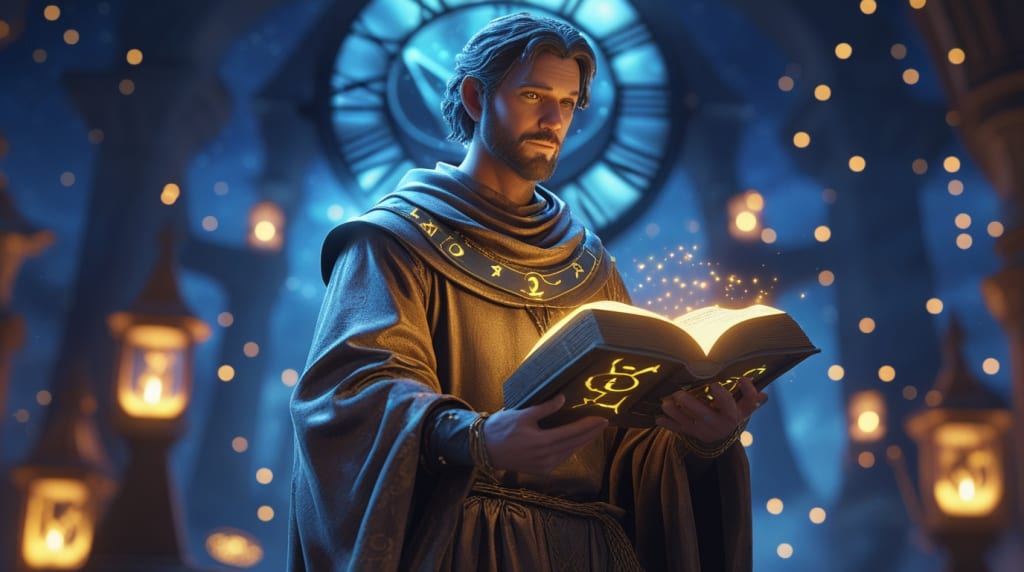
Visionary or Visitor from the Future? The Enigmatic Seer of the 1500s
In the swirling chaos of 16th-century Europe—where plague swept across cities and empires teetered under religious and political pressure—a curious figure emerged whose legacy would transcend time. His name was Michel de Nostredame, though history remembers him by a simpler name: Nostradamus.
A man of medicine and mysticism, he captured the world’s imagination not with scalpel or scripture, but with cryptic verses that many believe foretold the future.
Was he a genius ahead of his age—or something even stranger? Some wonder: was he a time traveler cloaked in the robes of a Renaissance scholar?
Let’s delve into the life and legacy of the man who may have written the future in riddles.
The Man Behind the Mystery
Born in 1503 in southern France, Nostradamus was well-educated in classical languages, astronomy, and healing arts. He spent much of his early life treating victims of the plague, but it wasn’t until midlife that he turned his gaze toward the stars and began penning what would become his most famous work: a book of mysterious four-line verses called Les Prophesies.
First published in 1555, the book contained hundreds of these quatrains—written in a blend of French, Latin, and symbolic language—that claimed to glimpse events yet to come.
Prophecy or Pattern Matching?
Nostradamus rarely wrote plainly. His verses were layered in metaphor, often avoiding dates, names, or specific locations. Still, over the centuries, readers have connected his words to real-world events. Let’s examine a few of the most discussed examples.
Uprising in France
One of his verses speaks of common people rising in revolt, while nobles are locked away. Many believe this aligns with the French Revolution, where an enraged populace overthrew the monarchy, leading to the imprisonment and execution of King Louis XVI and Queen Marie Antoinette.
A Charismatic Leader from the West
Another quatrain describes a poor child from Western Europe who captivates masses through speech and gains immense influence, especially toward the East. This is often linked to Adolf Hitler, who rose from humble beginnings and used fiery rhetoric to shape the course of the 20th century.
Fire in the "New City"
In a separate verse, Nostradamus refers to a great fire shaking a “new city,” prompting speculation that he foresaw the September 11 attacks in New York. Though interpretations vary, the chilling imagery continues to stir debate.
How Did He “See” the Future?
Nostradamus claimed to access visions through a mix of astrological calculations, spiritual focus, and deep meditation. Some say he would stare into a reflective surface—like a bowl of water or mirror—until he slipped into a dream-like trance. What he saw during these sessions became the foundation of his prophetic verses.
But were they true visions—or poetic constructions meant to be interpreted after the fact?
The Great Debate: Prediction or Projection?
Skeptics argue that Nostradamus’s writing is vague enough to apply to countless events, with readers projecting meaning after tragedies unfold. Supporters, on the other hand, believe that the imagery and phrasing in his verses align too closely with real events to be mere chance
In truth, his work says more about us than about the future—our tendency to find patterns, search for meaning, and desire reassurance in uncertain times.
Do His Words Still Matter Today?
Absolutely. Every time a global crisis emerges—from pandemics to political upheavals—people rush to Nostradamus’s quatrains, hoping to find warnings or explanations. Though most modern interpretations are speculative at best, they reflect our ongoing hunger for foresight in an unpredictable world.
Some even claim his writings hint at future climate disasters, technological threats, or global conflict.
What Can We Learn from All This?
Whether Nostradamus truly glimpsed future events or crafted poetic visions open to interpretation, his writings reflect a timeless human curiosity. They echo our endless search for meaning in chaos, and our yearning to understand what lies ahead.
Prophecies don't just tell stories—they reveal our hopes, fears, and the way we try to make sense of uncertainty. And while we can’t predict tomorrow, we can prepare for it by learning from the past.
Time Traveler... or Timeless Thinker?
Was Nostradamus a man out of time? Perhaps. But whether he was a mystic, a genius, or simply a brilliant observer of history’s cycles, one truth remains:
He sparked imagination across generations—and that, in itself, is a kind of magic.
About the Creator
MystiTech Hub
MystiTech Hub brings history, science, and mystery to life with engaging, well-researched content. Uncover hidden truths, explore scientific wonders, and dive into historical mysteries that shape our world.
Keep reading
More stories from MystiTech Hub and writers in History and other communities.
The Legacy of Longevity: A Lesson from Japan
The Legacy of Longevity: A Lesson from Japan The Mystery Begins In the year 2045, Aarav, a passionate journalist from Kolkata, India, stood on the breezy coastline of Okinawa. Unlike most reporters who chased headlines, Aarav pursued meaning. He had one mission: to uncover the hidden truths behind Japan’s extraordinary longevity and share it with a restless world drowning in stress, poor health, and fast living.
By MystiTech Hub9 months ago in History
Best Men Clergy Shirts for Pastors and Church Leaders?
When it comes to serving in the ministry, appearance matters. Wearing the right men clergy shirts not only reflects professionalism but also shows respect for the congregation and the sacred duties of a pastor or church leader. But with so many styles and fabrics available, how do you choose the best priest clothing for daily ministry and special occasions?
By Sameera eclergys4 days ago in History
3 Completely Normal Jobs With Disturbing Hidden Histories
Every job has a backstory. Some are boring, some are inspiring, and some are better left buried. While modern versions of certain professions look harmless—sometimes even respectable—their origins tell a much darker story.
By Enoch Sagini3 days ago in History



Comments (1)
welcome