
The Legacy of Longevity: A Lesson from Japan
Discovering the Secrets of a Nation That Redefined Aging Gracefully

The Legacy of Longevity: A Lesson from Japan
The Mystery Begins
In the year 2045, Aarav, a passionate journalist from Kolkata, India, stood on the breezy coastline of Okinawa. Unlike most reporters who chased headlines, Aarav pursued meaning. He had one mission: to uncover the hidden truths behind Japan’s extraordinary longevity and share it with a restless world drowning in stress, poor health, and fast living.

He had read statistics—how Japan consistently topped global life expectancy charts—but data alone didn’t satisfy him. What made Japanese elders thrive well past 90 or even 100 with dignity, clarity, and strength? He wasn’t just after facts; he was after wisdom.
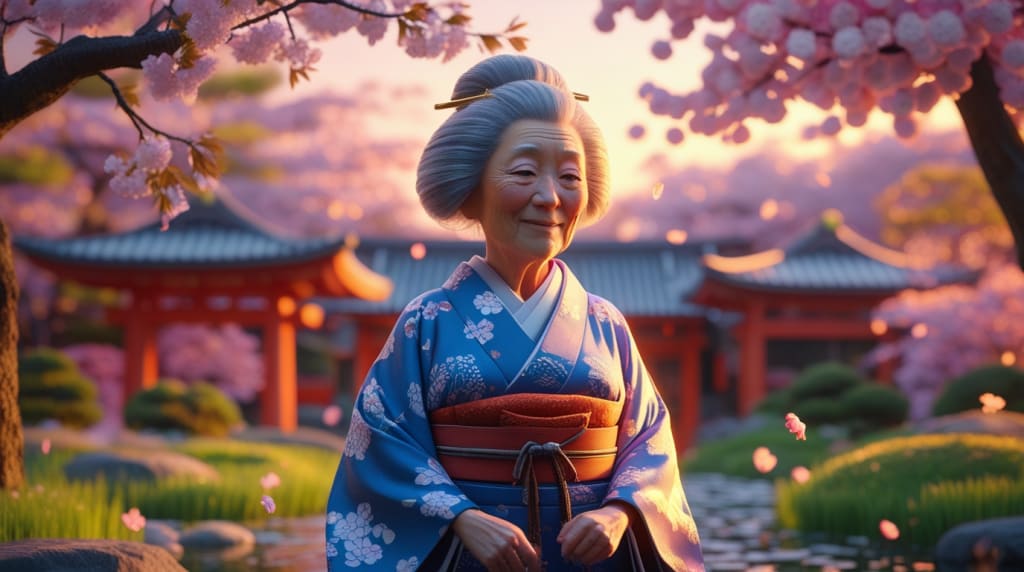
When he first stepped into Okinawa, he was greeted not by doctors or scientists but by laughter—genuine, from a group of elderly women dancing in a community center. Among them was Haruko-san, 104 years old, full of life. Her energy rivaled that of teenagers, and her warm eyes held stories that science could never explain.
The Threads of Tradition
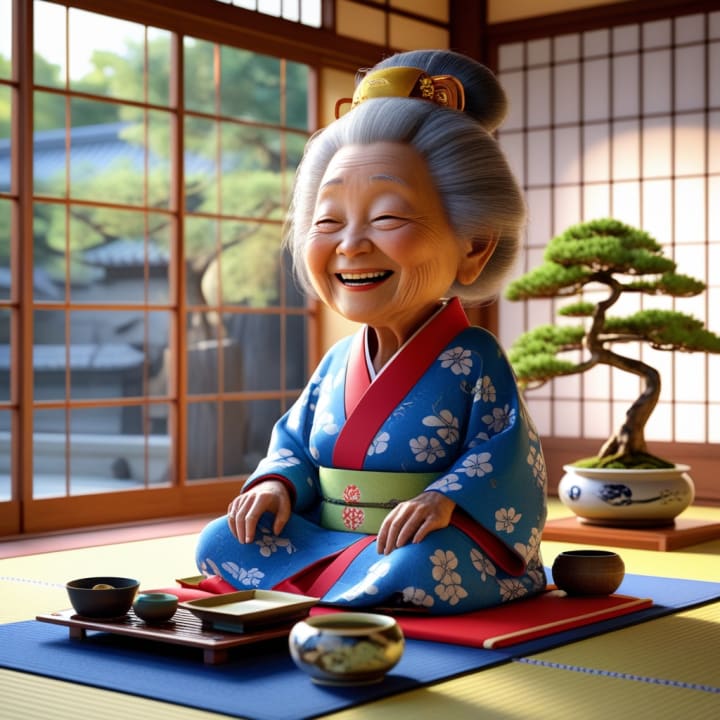
Haruko shared something her grandmother once told her: “Eat with gratitude, move with joy, and love with depth.” Aarav began observing how traditions wove into every part of Japanese life. He noticed the simple but profound habits:
Elders sat on tatami mats, standing and sitting multiple times a day, strengthening their legs naturally.
Meals were modest but colorful—fermented foods like natto, fresh fish, seaweed, tofu, miso soup, and seasonal vegetables.
Tea wasn’t just a beverage—it was a ceremony of mindfulness.
Conversations centered around community and contribution rather than complaints or regrets.
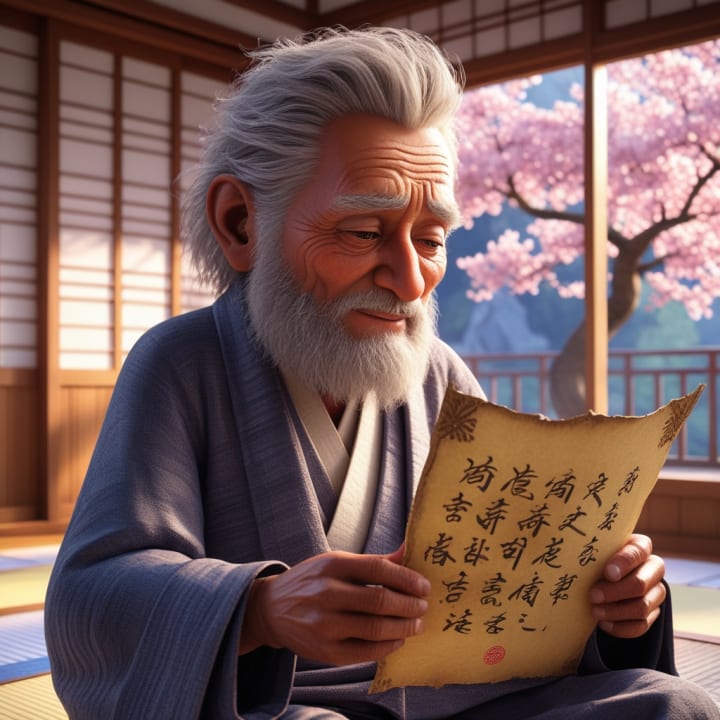
At night, Aarav visited the Naha Public Library, reading letters and scrolls from the Meiji Era. One phrase from a 1912 imperial decree struck him deeply: “Shindofuji” — the unity of body and land. It encouraged people to eat locally, respect the seasons, and live in harmony with nature.
He realized: this was not just lifestyle—it was philosophy lived daily.

Science Meets Soul
Eager to cross-check tradition with science, Aarav interviewed doctors and gerontologists in Tokyo and Kyoto. The findings were consistent and inspiring.
Genetics plays a role, said Professor Masaki Ito, but environment, habits, and mindset play a far bigger one.
Japanese people didn’t “work out” in gyms, yet they moved constantly—walking, stretching, gardening, cleaning. Their meals followed hara hachi bu, the Confucian teaching of eating until you’re 80% full.
Communities celebrated moai—lifelong social groups that supported each other emotionally, socially, and financially.
And most powerful of all was ikigai—the reason to wake up every morning. This sense of purpose, whether it was taking care of grandchildren, tending a bonsai tree, or teaching calligraphy, kept the elderly mentally sharp and emotionally fulfilled.

A Global Awakening
Aarav’s documentary, The Legacy of Longevity, was released in 2047. It wasn’t just watched—it sparked change. The film went viral, not because of cinematic brilliance, but because of its truth.
Soon, governments across continents began implementing the Okinawa Model:
Schools in Germany introduced mindfulness-based lunch sessions.
Urban planning in Brazil integrated community gardens in every neighborhood.
In Kenya, elderly centers were revitalized to become places of learning and contribution.
Corporations in the U.S. adopted purposeful breaks—short group walks and reflection sessions.
Aarav traveled to over a dozen countries, spreading the five core principles of Japanese longevity:
Eat Local, Eat Balanced
Move Naturally Throughout the Day
Build Strong Social Ties
Live With Purpose (Ikigai)
Honor and Include Elders
It was no longer just Japan’s secret—it was humanity’s shared heritage.
The Legacy Lives On
By the year 2070, United Nations global health reports showed not just an increase in life expectancy, but a historic rise in healthspan—people were living longer and living well.
Aarav, now in his 70s, received a heartfelt letter from Haruko’s granddaughter—who had just turned 100 herself.
Dear Aarav,
Because of you, we didn’t just preserve our ancestors’ wisdom; we shared it with the world. What was once our tradition is now the planet’s treasure.
The story was included in school textbooks worldwide, titled The Year the World Learned to Live Again.
And Aarav, sitting in his small Kyoto home overlooking a plum blossom tree, whispered softly—Legacy is not what we leave behind. It’s what we awaken in others.
About the Creator
MystiTech Hub
MystiTech Hub brings history, science, and mystery to life with engaging, well-researched content. Uncover hidden truths, explore scientific wonders, and dive into historical mysteries that shape our world.
Keep reading
More stories from MystiTech Hub and writers in History and other communities.
Gold and Glory: 8 Captivating Stories of Wealth, Power, and Splendor
Gold and Glory: 8 Captivating Stories of Wealth, Power, and Splendor Whether in grand palaces or treasured belongings, gold has long adorned the powerful and shaped how their legacy is remembered. From royal courts to sacred shrines, from economic miracles to sky-high extravagance—gold reflects not just wealth, but ambition, identity, and human imagination.
By MystiTech Hub11 months ago in History
Tatt~Master
— Assembly Line Tatt Machine ~ Impressions to Impress — As I begin to understand more about the Tattoo Phenomenon. I've written silly, yet verbatim, dating site anecdotes in 'Frazzled.' So let me ask you: Would you be More attracted to someone slathered with tattoos, or Less?
By Jay Kantor5 days ago in Humor



Comments (1)
welcome