
US Urges India and Pakistan to Ease Tensions After Kashmir Incident
India & Pakistan
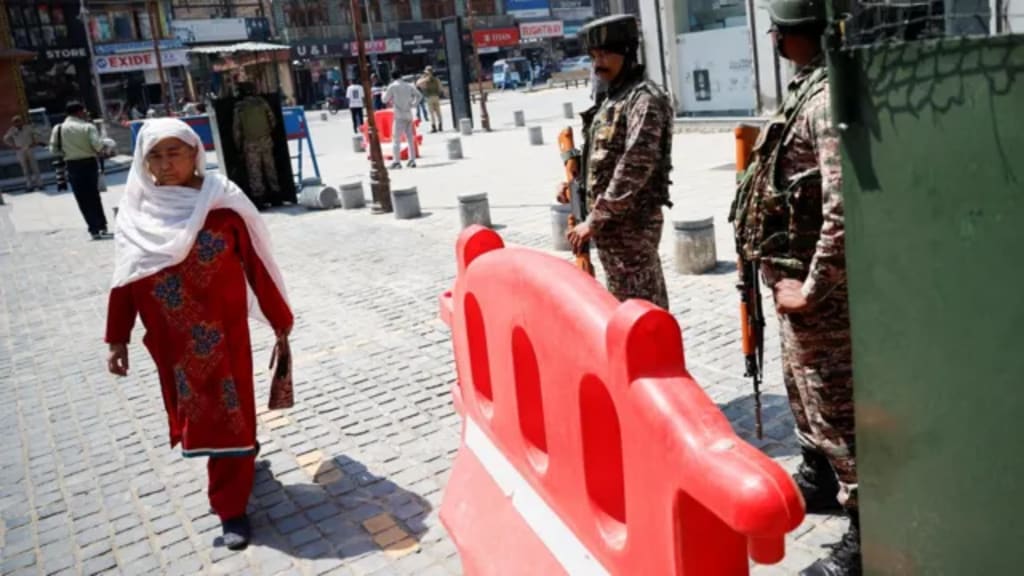
Washington, D.C. – The United States has called on India and Pakistan to engage in dialogue and take steps toward reducing tensions in the aftermath of a recent incident in the Kashmir region. The appeal for calm and cooperation comes as both nations face renewed diplomatic challenges following the reported loss of life in the disputed territory.
A spokesperson for the US State Department expressed Washington's concern over the situation and reiterated the longstanding American position that peaceful resolution and open communication are essential for long-term regional stability. “We continue to encourage both India and Pakistan to engage in direct dialogue and take steps that contribute to peace and stability in South Asia,” the spokesperson stated.
A Sensitive Region
Kashmir has long been a focal point of discussions between India and Pakistan. Since their independence in 1947, both countries have laid claim to the region, with tensions periodically flaring due to incidents along the Line of Control (LoC), the de facto border separating the two sides of Kashmir.
While the recent event has drawn attention globally, neither government has released extensive details. Nonetheless, the reports have rekindled concerns in the international community about the potential for strained relations to overshadow broader diplomatic efforts and regional cooperation.
The United States, which maintains strong bilateral ties with both New Delhi and Islamabad, has often played the role of a neutral observer, emphasizing dialogue over disagreement. This time is no different. “The people of India and Pakistan deserve to live in peace and security,” the US official continued, adding that reducing hostilities and building confidence between the two sides would benefit the entire region.
International Encouragement for Dialogue
Several other countries and international organizations have echoed the US sentiment. Diplomatic voices from Europe, Southeast Asia, and the Middle East have called for a balanced approach, urging both nations to act with restraint and maturity. Analysts note that such statements, while carefully worded, reflect a growing concern that heightened rhetoric could hinder development and stability efforts not only in Kashmir but throughout South Asia.
India and Pakistan, both nuclear-armed nations with robust national identities, have historically engaged in dialogue through various platforms, including backchannel diplomacy, regional summits, and multilateral forums. Despite setbacks, previous engagements have yielded periods of constructive discussion, trade agreements, and cultural exchanges that showcased the possibilities of improved ties.
“Diplomacy is not an overnight process, but consistent efforts toward understanding each other’s concerns can lead to meaningful outcomes,” said Dr. Ayesha Khan, a regional affairs expert based in New Delhi. “What matters most right now is that both sides avoid any steps that could deepen the divide and instead look for common ground.”
A Call for Constructive Measures
Experts suggest that confidence-building measures—such as easing restrictions on cross-border trade, re-establishing communication links, and promoting people-to-people exchanges—can play an important role in easing tensions. Sports, culture, and education have all served as bridges in the past, helping ordinary citizens form connections beyond political lines.
Moreover, the situation presents an opportunity for regional leaders to reaffirm their commitment to mutual respect and cooperation. While political realities remain complex, the shared history, languages, and aspirations of the people on both sides of the border offer a foundation for renewed dialogue.
“The future of Kashmir and the broader India-Pakistan relationship depends not just on leaders but on the choices made by societies,” remarked Professor Rahim Qureshi, a historian from Lahore. “Encouraging peace is not just about avoiding conflict—it’s about fostering dignity, opportunity, and trust.”
Regional Implications
Beyond the immediate countries involved, the state of relations between India and Pakistan has significant implications for the broader South Asian region. The flow of trade, regional infrastructure projects, environmental coordination, and public health collaboration all depend in part on a climate of mutual understanding.
Both nations play critical roles in various international institutions and contribute to regional security and development initiatives. As such, their ability to maintain open lines of communication and manage sensitive issues like Kashmir through dialogue is closely watched by neighboring states and global powers alike.
The Road Ahead
While the recent developments have understandably drawn strong reactions, the path forward lies in diplomacy and cooperation. The US and other global stakeholders continue to support any process that leads to sustainable peace in the region, recognizing that dialogue—not disengagement—is key to long-term progress.
For citizens in both India and Pakistan, the hope remains that leaders will embrace opportunities for understanding and pursue pathways that prioritize the well-being of all communities.
In times like these, the world is reminded of the importance of patience, empathy, and the power of diplomacy. By reaffirming their commitment to constructive engagement, India and Pakistan have the opportunity to not only address present concerns but also shape a more peaceful and prosperous future for the region.
About the Creator
Keep reading
More stories from Soumit Dhar and writers in History and other communities.
Ukraine Minerals Deal Is Largely Symbolic – But That’s Enough for Donald Trump
Ukraine Minerals Deal Is Largely Symbolic – But That’s Enough for Donald Trump By [Soumit Dhar] In politics, the appearance of action can matter more than the action itself. For former President Donald Trump, that principle has always been a guiding force. His recent move to spotlight a critical minerals deal with Ukraine is a case in point: a largely symbolic gesture, short on substance, but rich with political narrative.
By Soumit Dhar9 months ago in 01
Nanchang: A Modern Symbol of China’s Naval Power
In recent years, the world has closely watched the rapid modernization of the Chinese People’s Liberation Army Navy (PLA Navy). One of the most important symbols of this transformation is the Nanchang (Hull 101), China’s first Type 055 guided-missile destroyer. Commissioned on 12 January 2020, Nanchang represents a major leap in naval technology and capability. As it completes six years of active service, the ship stands as a clear example of how China’s navy has moved into a new era of advanced maritime power.
By sehzeen fatima5 days ago in History
Where the Pulse Ends
© 2026 Sai Marie Johnson The humidity in the city didn’t just hang; it leaned. It was a thick, stagnant soup of diesel exhaust, ozone, and the metallic tang of blood that drifted from the "Compliance Zones." Joe sat in his rusted sedan, his hands resting loosely on the steering wheel. He wasn't gripping it. He wasn't angry. Anger was a chemical spike, a biological inefficiency. Joe was simply... focused.
By Sai Marie Johnsona day ago in History



Comments
There are no comments for this story
Be the first to respond and start the conversation.