
Unveiling Dué
The Mystical Forest Spirit of Brazilian Folklore


Brazilian folklore presents a vibrant collection of myths, legends, and intriguing beings that are intricately woven into the nation’s varied cultural background. While iconic figures such as Saci-Pererê, Iara, and Curupira frequently capture attention, numerous lesser-known entities also possess equally enchanting narratives. Among these is the Dué, a forest spirit characterized by traits that embody the delicate balance and conflict between humanity and the natural world.
This article will explore the origins, attributes, and cultural importance of the Dué, revealing its function as a protector of Brazil’s rich ecosystems. The Dué (pronounced doo-eh) has its roots in Indigenous Brazilian folklore, particularly among tribes in the Amazon. These communities have historically viewed the rainforest as a sacred realm, inhabited by spirits that safeguard and sustain its equilibrium. The Dué symbolizes this deep respect, acting as a connection between the natural and spiritual realms.
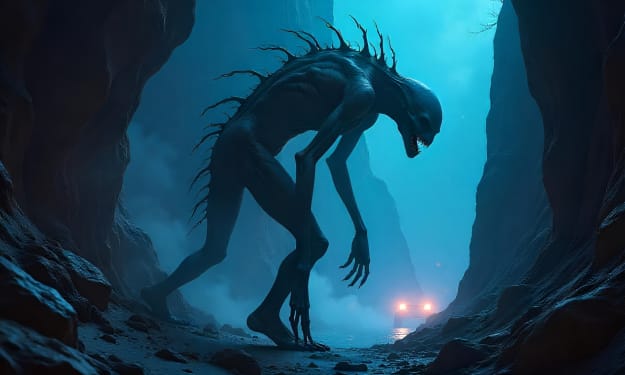
Although the Dué is less commonly known than other folkloric characters, its narratives have persisted through oral traditions. These stories function as cautionary tales, emphasizing the importance of environmental stewardship and acknowledging humanity's reliance on the natural world.Descriptions of the Dué differ across various regions, but it is generally characterized as a small, humanoid being with features reminiscent of earth and plant life. Some narratives depict its skin as akin to bark or moss, allowing it to blend effortlessly into the forest backdrop. Its eyes are frequently described as having a faint glow, highlighting its otherworldly essence and acute awareness of its surroundings.
A key characteristic of the Dué is its shape-shifting ability. This skill enables it to imitate animals or even disappear into its surroundings, rendering it nearly undetectable to intruders. This capability serves both as a means of defense and as a method for observing humans who venture into the forest. The Dué transcends the role of a simple forest dweller; it serves as a guardian. Numerous legends depict it as a force that punishes individuals who harm the natural world, particularly those who recklessly fell trees, overhunt, or contaminate rivers. Such retributions often manifest as illness, disorientation within the jungle, or the unsettling experience of being followed by strange sounds until the offender departs.
Nevertheless, the Dué is not fundamentally malevolent. It embodies a protective spirit, and those who show reverence for the forest may find themselves under its benevolent influence. In various narratives, the Dué assists lost wanderers by guiding them to safety or directing them to sources of clean water and food, highlighting its complex role as both a punisher and a benefactor. The narrative of the Dué embodies Indigenous cosmology, portraying the environment as a vibrant, interconnected whole. This perspective stands in stark opposition to modern industrialized views that frequently place human interests above ecological integrity. The stories of the Dué impart a crucial message: achieving harmony with nature is not merely beneficial but essential for our survival.
Additionally, the Dué aligns with current environmental movements. As deforestation and climate change pose significant risks to the Amazon and other critical ecosystems, the legends of guardian spirits such as the Dué serve as a poignant reminder of the repercussions of environmental degradation. The Dué, while not widely recognized beyond Indigenous circles, is increasingly capturing the interest of the broader Brazilian public. Artists, authors, and environmental activists are incorporating the Dué into contemporary narratives, positioning it as a symbol of ecological consciousness.
Children's literature and animated programs are beginning to highlight the Dué, helping to familiarize younger audiences with this intriguing character. At the same time, environmental organizations are embracing Indigenous narratives, including the legend of the Dué, to strengthen the bond between communities and the rainforest.
Additionally, the growth of ecotourism in Brazil has heightened curiosity about traditional folklore. Travelers seeking to explore the Amazon frequently come across stories of the Dué, merging cultural storytelling with environmental awareness.
About the Creator
A História
"Hi. My name is Wellington and I'm a passion for general history. Here, I publish articles on different periods and themes in history, from prehistory to the present day.
Keep reading
More stories from A História and writers in History and other communities.
The Rake
The Grand Canyon, renowned for its stunning vistas and deep historical significance, draws millions of tourists annually. Yet, concealed within its expansive and rugged terrain is a haunting legend that has intrigued both residents and explorers—the story of The Rake. This unsettling, humanoid figure is rumored to lurk in the canyon's shadows, targeting the unsuspecting and instilling fear in those who encounter it. What exactly is The Rake, and what has made it a source of fascination for so many?
By A Históriaabout a year ago in History


Comments
There are no comments for this story
Be the first to respond and start the conversation.