
Top 5 Ancient Inventions Still Used Today
Discover the top 5 ancient inventions still in use today! From paper to the wheel, explore how these groundbreaking innovations shaped modern life.

Human civilization has been shaped by groundbreaking inventions that emerged thousands of years ago.
Many of these innovations were so advanced that they continue to influence modern technology, infrastructure, and daily life. From the wheel to paper, ancient inventors laid the foundation for the world we know today.
In this article, we’ll explore the top 5 ancient inventions still used today, analyzing their origins, historical significance, and enduring impact.
1. The Wheel (Circa 3500 BCE)
Historical Origins
Many people consider the wheel to be one of humanity's most revolutionary creations.Archaeological evidence suggests that the earliest wheels appeared in Mesopotamia (modern-day Iraq) around 3500 BCE.
Initially used for pottery, the wheel later revolutionized transportation with the invention of wheeled carts.
Why It’s Still Relevant
- Transportation: Cars, bicycles, and airplanes rely on wheel mechanics.
- Machinery: Industrial equipment, turbines, and gears use wheel-based technology.
- Everyday Use: From shopping carts to office chairs, wheels remain indispensable.
Fun Fact
The oldest known wheel was discovered in Slovenia, dating back to 3200 BCE, proving its widespread adoption in ancient times.
2. Paper (Circa 105 CE, China)
Historical Origins
Before paper, civilizations used clay tablets, papyrus, and animal skins for writing. Around 105 CE, Cai Lun, a Chinese eunuch living during the Han Dynasty, is credited with creating paper.
Paper was more affordable and more resilient than earlier materials since it was made from mulberry bark, hemp, and rags.
Why It’s Still Relevant
- Education & Communication: Books, newspapers, and documents still rely on paper.
- Hygiene & Packaging: Toilet paper, cardboard, and food packaging are paper-based.
- Art & Culture: Artists and architects use paper for sketches and blueprints.
Fun Fact
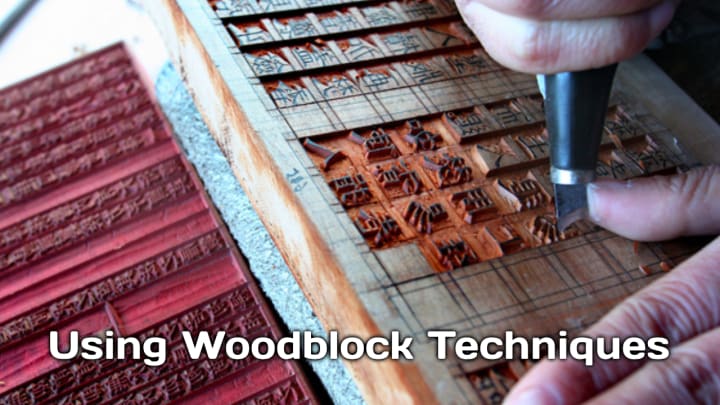
The oldest surviving printed book, the Diamond Sutra (868 CE), was printed on paper using woodblock techniques.
3. Concrete (Circa 6500 BCE, Mesopotamia & Rome)
Historical Origins
Concrete was first made in Mesopotamia around 6500 BCE, but the Romans refined it by combining lime, seawater, and volcanic ash. Structures like the Pantheon and Colosseum still stand today due to Roman concrete’s durability.
Why It’s Still Relevant
- Construction: Modern buildings, bridges, and roads use reinforced concrete.
- Infrastructure: Dams, tunnels, and skyscrapers depend on concrete.
- Sustainability: Researchers are revisiting Roman techniques for eco-friendly concrete.
Fun Fact
Because Roman concrete could harden underwater, it was ideal for aqueducts and docks.
4. The Compass (Circa 206 BCE, China)
Historical Origins
The first compasses, made from lodestone (a naturally magnetic mineral), appeared in China during the Han Dynasty (206 BCE–220 CE). Initially used for divination, they later became crucial for navigation.
Why It’s Still Relevant
- Navigation: Ships, airplanes, and smartphones use digital compasses.
- Exploration: GPS technology evolved from compass-based navigation.
- Military & Surveying: Essential for mapping and strategic operations.
Fun Fact
Early Chinese compasses were spoon-shaped and placed on bronze plates for alignment.
5. The Calendar (Circa 3000 BCE, Egypt & Mesopotamia)
Historical Origins
The Egyptians developed a 365-day solar calendar based on the Nile’s flooding cycles, while the Babylonians introduced a lunar calendar. The Julian (45 BCE) and Gregorian (1582 CE) calendars refined these systems.
Why It’s Still Relevant
- Timekeeping: Modern Gregorian calendar organizes global schedules.
- Agriculture: Farmers rely on seasonal calendars for planting and harvests.
- Religious & Cultural Events: Festivals, holidays, and rituals follow ancient calendar systems.
Fun Fact
The Maya calendar was so precise it accounted for leap years centuries before Europe.
Conclusion
The persistent inventiveness of humans is exemplified by these five ancient inventions: the wheel, paper, calendar, compass, and concrete. They not only solved critical problems of their time but also laid the groundwork for modern advancements.
By studying these inventions, we gain a deeper appreciation for ancient civilizations and their lasting influence on technology, science, and daily life.
Which historical invention, in your opinion, has had the most influence?Share your thoughts in the comments!
About the Creator
Himadri Niloy
Who explores forgotten histories, cultural echoes, and the silent revolutions of time.
Reader insights
Nice work
Very well written. Keep up the good work!
Top insights
Easy to read and follow
Well-structured & engaging content
Expert insights and opinions
Arguments were carefully researched and presented
Keep reading
More stories from Himadri Niloy and writers in History and other communities.
Vikings: Brutal Raiders or Skilled Explorers?
The Vikings, often depicted as horn-helmeted barbarians, have long been subjects of fascination and debate. Popular culture portrays them as ruthless warriors who terrorized Europe, but historical evidence reveals a far more complex narrative.
By Himadri Niloy8 months ago in History
3 True Stories People Refused to Believe Until the Evidence Appeared
Human beings have a remarkable ability to hear something true and immediately file it under “absolutely not.” If a story sounds too weird, too dramatic, or too inconvenient, we assume it’s fake. We say it’s a conspiracy theory, urban legend, or drunk uncle material. Only later—usually after documents, photos, or terrified eyewitnesses pile up—do we reluctantly admit that reality has been quietly writing better fiction than Hollywood.
By Enoch Sagini2 days ago in History


Comments (1)
I enjoyed this. It’s interesting to think of what came first. Two ideas that add to what you e provided are that: - Religion is a very early invention of humans to explain the unknown. - Fire starting was an early invention that allowed others. It also is interesting to think of the predecessors to each of these that were necessary. Like tools such as hammers and flint sharp edges to make spears and arrows and axes… necessary for a wheel. And chemistry ideas and tools to make paper and quills etc. for writing to be a thing.