
Titian’s Ecce Homo: A Renaissance Masterpiece in Romania
Roman Art

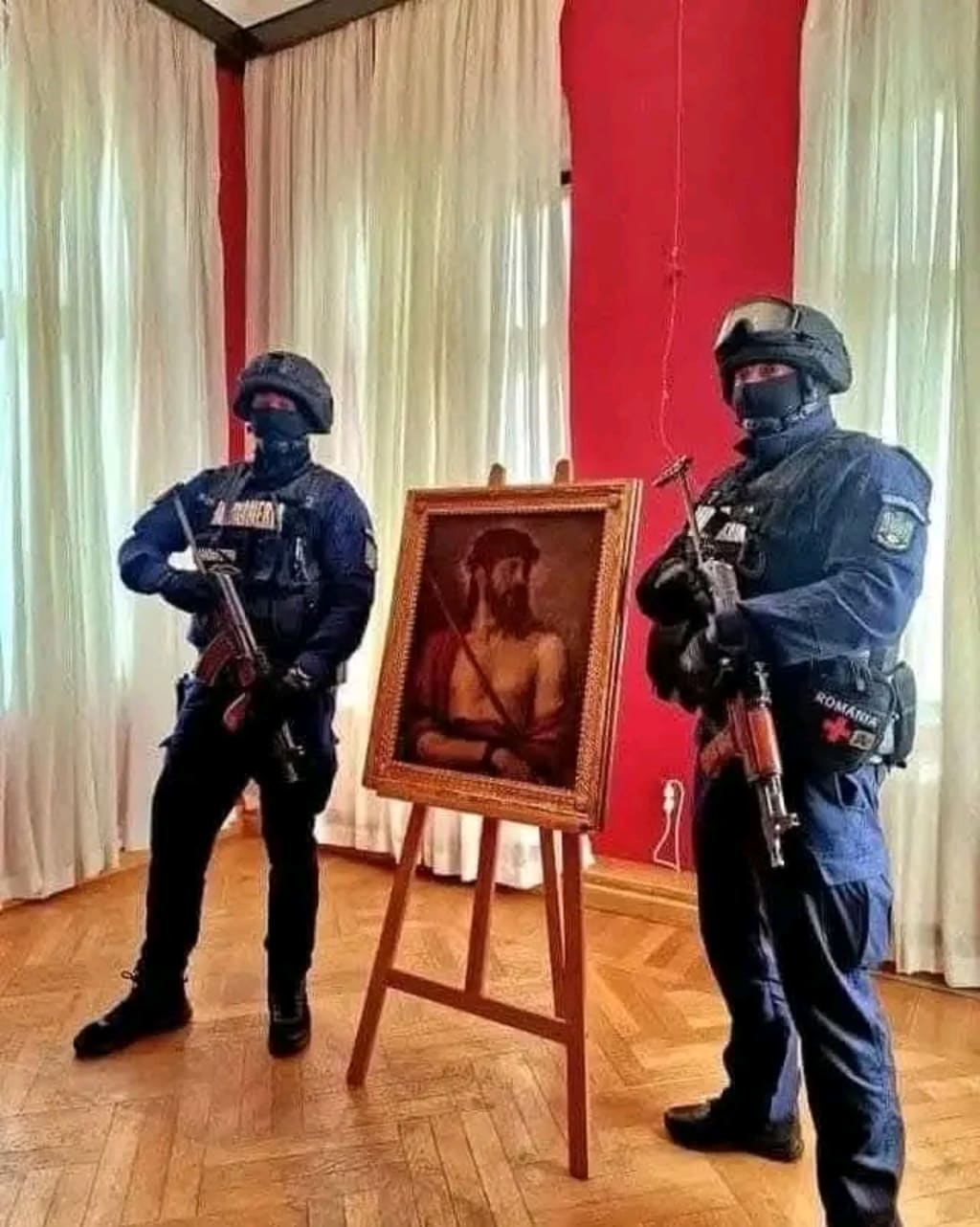
In the heart of Romania lies a masterpiece that connects the region to the grandeur of the Italian Renaissance. Titian’s Ecce Homo, painted in 1543, is not only an artistic marvel but also a cultural treasure of unparalleled significance. As the only work of the Venetian master in Romania and Eastern Europe, this painting represents a bridge between two worlds: the opulence of Renaissance Italy and the rich heritage of Eastern Europe.
Exhibited under strict surveillance at the Municipal Museum, Ecce Homo is a source of pride and fascination for Romania, drawing the attention of international experts and visitors alike. Let us delve into the history, artistry, and cultural significance of this iconic piece and explore why it stands as a unique testament to Titian’s genius.
---
Titian: The Genius Behind Ecce Homo
Tiziano Vecelli, known to the world as Titian, was a revolutionary figure in Renaissance art. Born in Pieve di Cadore, Italy, around 1488, he rose to prominence in Venice, becoming the most celebrated painter of his time. His mastery of color, light, and emotion set him apart, influencing countless artists and shaping the course of Western art.
Titian was renowned for his versatility, excelling in portraits, mythological scenes, and religious compositions. Ecce Homo exemplifies his ability to convey profound emotion and spiritual depth. The title, meaning “Behold the Man,” refers to the moment in the New Testament when Pontius Pilate presents a humiliated and suffering Jesus to the crowd.
---
The Artistic Brilliance of Ecce Homo
A Profound Emotional Narrative
Titian’s Ecce Homo is a deeply moving portrayal of Christ’s suffering and dignity. Unlike many depictions that focus solely on the physical pain of the crucifixion, this painting captures the emotional and psychological torment of the moment. Christ’s calm yet sorrowful expression contrasts with the chaotic and jeering crowd around him, creating a powerful narrative tension.
Color and Light: Titian’s Signature
One of Titian’s most celebrated qualities was his mastery of color and light. In Ecce Homo, the interplay of warm and cool tones emphasizes the central figure of Christ, drawing the viewer’s eye to his serene yet heart-wrenching presence. The dramatic use of chiaroscuro—strong contrasts of light and shadow—adds depth and intensity, enhancing the emotional impact.
Attention to Detail
The meticulous detailing in the painting, from the texture of Christ’s robe to the expressions of the onlookers, showcases Titian’s skill. Every brushstroke serves to enhance the realism and emotional resonance, inviting viewers to contemplate the significance of the scene.
---
The Journey of Ecce Homo to Romania
How this masterpiece found its way to Romania remains a topic of intrigue. Some historians speculate that it was acquired during the 19th or early 20th century, possibly through Romanian nobility or cultural exchanges. Others suggest that its journey may be linked to the region’s historical ties with Western Europe.
Today, Ecce Homo is housed in the Municipal Museum, where it is protected with state-of-the-art security measures. This reflects not only the painting’s immense artistic and historical value but also its symbolic importance as a cultural bridge between East and West.
---
Cultural Significance
A Unique Treasure in Eastern Europe
As the only work by Titian in Romania and Eastern Europe, Ecce Homo stands out as a singular representation of the Italian Renaissance in the region. Its presence enriches the local cultural landscape, offering Romanians and international visitors an unparalleled opportunity to experience the genius of Titian without traveling to Italy.
A Testament to the Renaissance Spirit
The painting symbolizes the Renaissance’s enduring legacy of artistic innovation, intellectual curiosity, and humanism. By hosting Ecce Homo, Romania becomes a steward of this legacy, showcasing the universal appeal and timeless relevance of Renaissance art.
A Magnet for Scholars and Art Enthusiasts
Ecce Homo has drawn the attention of art historians, researchers, and collectors from around the globe. Its artistic and historical significance has made it a subject of extensive study, with experts analyzing Titian’s techniques, themes, and influence.
---
Preservation and Public Access
The Municipal Museum has taken extraordinary steps to ensure the preservation of Ecce Homo. Strict surveillance and controlled environmental conditions protect the painting from damage, while modern technology, such as 3D imaging, aids in ongoing research and conservation efforts.
Despite these measures, the museum strives to make the painting accessible to the public. Visitors can marvel at the masterpiece up close, experiencing the profound emotions and artistic brilliance that have captivated audiences for centuries.
---
Why Ecce Homo Matters Today
In an age where cultural heritage faces numerous challenges, Ecce Homo serves as a reminder of the power of art to transcend time and space. It connects us to a pivotal era in human history when artists like Titian redefined the possibilities of creative expression.
For Romania, this painting is more than an artwork; it is a symbol of the country’s ability to preserve and celebrate global cultural treasures. It inspires pride and fosters a deeper appreciation for the interconnectedness of human history and creativity.
---
Conclusion: A Masterpiece for the Ages
Titian’s Ecce Homo is a treasure not just for Romania but for the entire world. Its presence in Eastern Europe enriches the region’s cultural heritage and offers a rare glimpse into the mind of one of history’s greatest artists.
For those fortunate enough to stand before it, Ecce Homo is more than a painting—it is an experience, a journey into the heart of the Renaissance, and a testament to the enduring power of art. Through its preservation and exhibition, this masterpiece continues to inspire, educate, and connect us to the timeless beauty of human creativity.
About the Creator
Keep reading
More stories from Deji Akomolafe and writers in History and other communities.
Clackmannan Tower: A Silent Witness to Scottish History
Perched atop King’s Seat Hill, Clackmannan Tower is a striking monument to Scotland’s storied past. Overlooking the town of Clackmannan from the west, this medieval stronghold holds centuries of history within its weathered stone walls. While it now stands in lofty isolation, its origins, transformations, and connections to the Bruce family make it a fascinating subject for those passionate about Scottish heritage.
By Deji Akomolafeabout a year ago in History
When the Portuguese Turned the Tide of Indian History
The arrival of the Portuguese in India at the end of the 15th century marked a turning point in the history of the Indian Ocean and the Indian subcontinent. What began as an ambitious maritime expedition soon transformed into a powerful political and economic presence that reshaped trade routes, introduced new cultural influences, and altered the balance of power in the region.
By Irshad Abbasi a day ago in History


Comments
There are no comments for this story
Be the first to respond and start the conversation.