
Clackmannan Tower: A Silent Witness to Scottish History
Ancient History

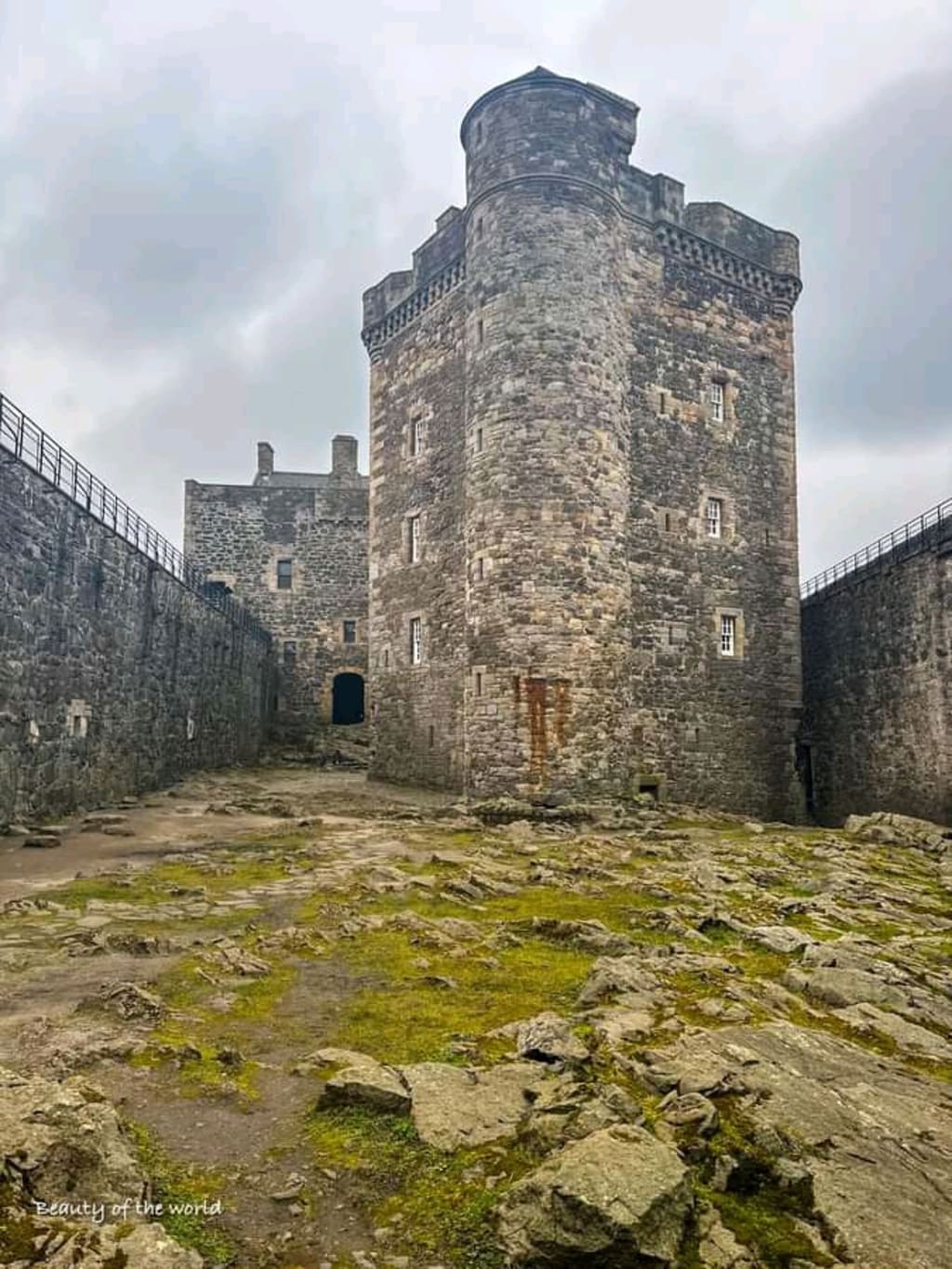
Perched atop King’s Seat Hill, Clackmannan Tower is a striking monument to Scotland’s storied past. Overlooking the town of Clackmannan from the west, this medieval stronghold holds centuries of history within its weathered stone walls. While it now stands in lofty isolation, its origins, transformations, and connections to the Bruce family make it a fascinating subject for those passionate about Scottish heritage.
---
A Site of Ancient Significance
The location of Clackmannan Tower is steeped in antiquity. King’s Seat Hill, with its commanding views over the Forth Valley, has likely been significant for centuries, possibly even millennia. Its name suggests a regal connection, and it is believed that a royal residence—likely a hunting lodge—once stood on this site as early as the 12th century.
The tower first enters recorded history in 1330 when David II, the son of Robert the Bruce and future king of Scotland, celebrated his sixth birthday here. At that time, it served as a royal residence, symbolizing the site’s importance within the Scottish crown’s territories.
---
The Bruce Connection
In 1359, King David II granted the lands of Clackmannan to his kinsman, Sir Robert Bruce, a move that tied the tower to one of Scotland’s most illustrious families. Sir Robert was a descendant of the legendary Robert the Bruce, the hero of Bannockburn and one of Scotland’s greatest kings.
The Bruce family began transforming the site into a more permanent stronghold. The earliest sections of the current tower likely date from this period, marking a shift from the earlier royal residence to a fortified home suitable for a noble family.
---
Architectural Evolution
Clackmannan Tower, as it stands today, is a fascinating palimpsest of architectural styles, reflecting centuries of adaptation and expansion.
The 14th Century Origins
The original structure was a simple yet imposing tower house, a common feature of Scottish noble residences in the medieval period. Built for defense, its thick stone walls and small windows offered protection from potential attacks.
15th Century Expansion
In the 1400s, significant alterations transformed the tower. It was heightened to enhance its defensive capabilities and to serve as a more prominent symbol of the Bruce family’s status. A second tower was added to the south, creating an ‘L’ plan. This new layout not only provided additional living space but also improved the stronghold’s defensibility, as the design allowed for overlapping fields of fire against attackers.
Later Additions
By the late 1500s or early 1600s, a mansion was added to the complex. This reflected the changing needs of the Bruce family, who sought greater comfort and a more modern living environment. The mansion introduced larger windows and more refined interiors, aligning with the architectural trends of the Renaissance period.
---
The Decline of Clackmannan Tower
Despite its grandeur and historical significance, Clackmannan Tower's fortunes began to wane in the late 18th century. The Bruce family eventually abandoned the site, likely due to the challenges of maintaining such an aging structure. The mansion, once a symbol of their prosperity, fell into disrepair and was demolished in the early 1800s.
The tower itself, though weathered by time, remained standing. Its abandonment left it exposed to the elements, and its isolated location added to its air of melancholy. Yet, even in decline, Clackmannan Tower retained its dignity, standing as a testament to Scotland’s medieval past and the enduring legacy of the Bruces.
---
Clackmannan Tower Today
Today, Clackmannan Tower is a protected historical monument managed by Historic Environment Scotland. Though no longer inhabited, it continues to captivate visitors with its rugged beauty and the stories it holds. Its silhouette against the sky is a reminder of Scotland’s feudal era and the resilience of its architecture.
Efforts have been made to preserve the tower, ensuring that future generations can marvel at this link to Scotland’s past. While access to the interior may be limited, the surrounding area offers stunning views of the Forth Valley and the chance to imagine life in a bygone era.
---
The Legacy of Clackmannan Tower
Clackmannan Tower’s significance extends beyond its architectural features. It represents a connection to the Bruce family, whose members played pivotal roles in Scotland’s history. As a royal residence, a noble home, and finally a silent ruin, the tower has borne witness to centuries of change.
Its story is a microcosm of Scotland’s broader history—a tale of resilience, adaptation, and the passage of time. From its origins as a hunting lodge in the 12th century to its abandonment in the 18th century, Clackmannan Tower reflects the changing priorities and fortunes of its inhabitants.
---
Why Visit Clackmannan Tower?
For history enthusiasts, Clackmannan Tower is a must-see. Its connections to the Bruce family and its role in Scottish history make it an invaluable site. The tower also offers a sense of tranquility, standing alone on its hill with panoramic views of the surrounding landscape.
Visiting Clackmannan Tower is not just an exploration of architecture but a journey through time. It invites us to reflect on the people who lived there, the decisions they made, and the legacy they left behind.
---
Conclusion
Clackmannan Tower stands as a poignant reminder of Scotland’s rich history. Its walls echo with the footsteps of kings, nobles, and commoners who lived, worked, and celebrated within its confines. Though it may now stand in isolation, its significance remains undiminished.
To gaze upon Clackmannan Tower is to connect with a time when Scotland was shaped by powerful families, shifting allegiances, and towering ambitions. It is a monument not just to the Bruce family but to the enduring spirit of Scotland itself.
About the Creator
Keep reading
More stories from Deji Akomolafe and writers in History and other communities.
Lancaster Castle Gatehouse: A Timeless Icon of English Heritage
Lancaster Castle, located in the historic city of Lancaster in northwest England, is a stunning architectural and historical monument that has stood the test of time. Its magnificent gatehouse, considered one of the most impressive in England, offers a fascinating glimpse into the past while continuing to awe visitors in the present day. In this article, we delve into the history of this iconic structure, its transformation over 250 years, and its enduring significance.
By Deji Akomolafeabout a year ago in History
A Transparent Look at Vocal Challenges and Top Stories
Almost three years ago, we shared a resource article that served as a place for people to suggest new challenge prompts. We thought it would be a good idea to refresh that thread, and take the opportunity to answer a few common questions about top stories, how challenges are judged and how submissions are reviewed.
By Vocal Curation Team3 days ago in Resources



Comments
There are no comments for this story
Be the first to respond and start the conversation.