
Theodore Laskaris and the Triumph at the Battle of Antioch on the Meander
Ancient Rome

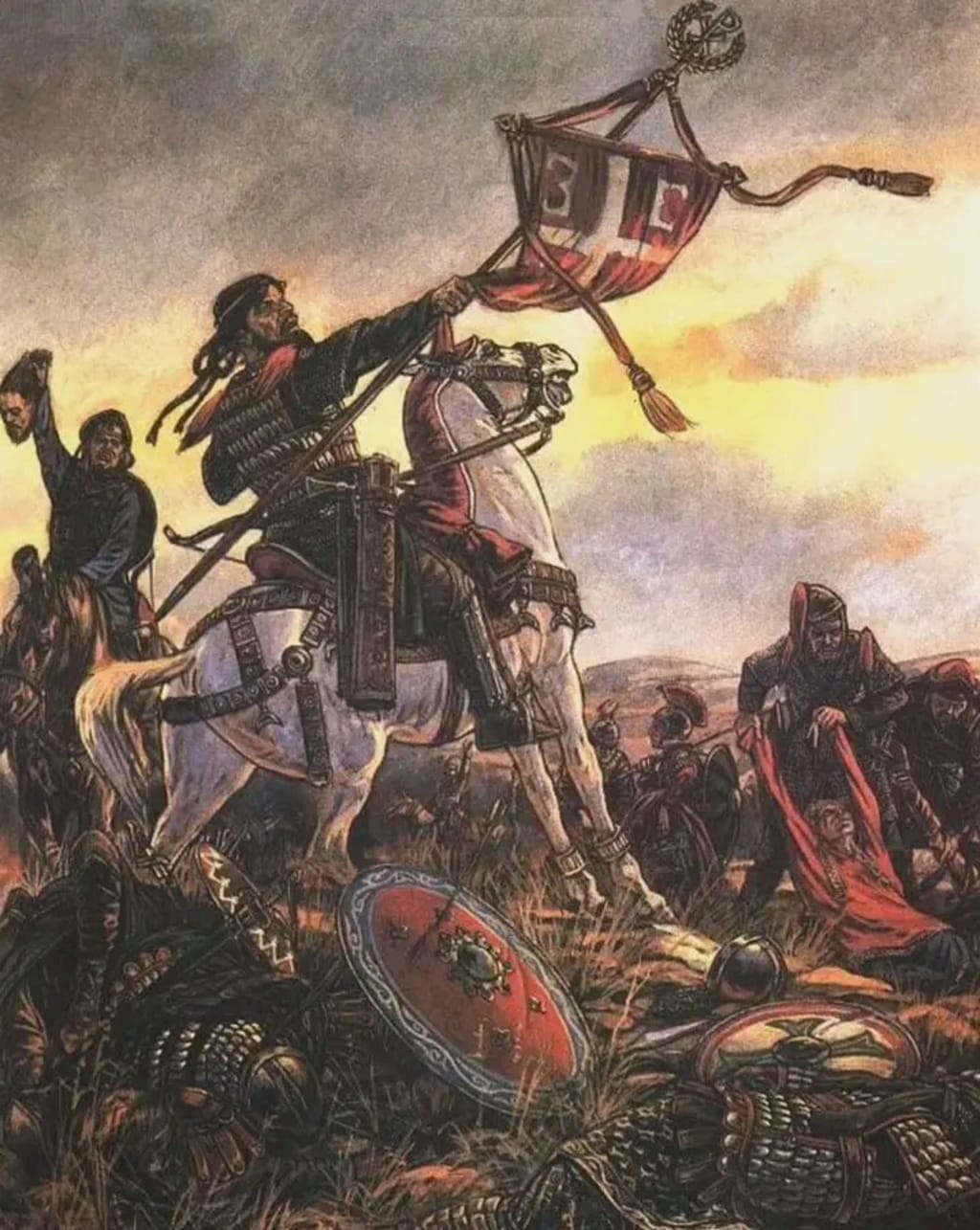
The fall of Constantinople in 1204 during the Fourth Crusade shattered the Byzantine Empire, plunging it into chaos and fragmentation. Yet, amid this turmoil, the Empire of Nicaea emerged as a beacon of resistance, striving to reclaim Roman heritage and territories. One of the most defining moments of this era was the triumph of Theodore Laskaris over the Seljuk army at the Battle of Antioch on the Meander in 1211, a victory that secured Roman control over Western Anatolia for another century.
This battle, a culmination of political ambition, betrayal, and valor, marked the rise of Theodore Laskaris as a formidable leader and solidified the Nicaean Empire’s place in the struggle to restore Byzantine authority.
---
The Fall of Constantinople and the Fragmentation of the Empire
The sack of Constantinople in 1204 by the Crusaders was a catastrophic event that fractured the Byzantine Empire. The Latin Empire was established in Constantinople, while Greek resistance coalesced in three successor states: the Empire of Nicaea, the Despotate of Epirus, and the Empire of Trebizond.
Theodore Laskaris, a nobleman and son-in-law of Emperor Alexios III Angelos, emerged as the ruler of the Empire of Nicaea, determined to reclaim Byzantine lands and legacy. His leadership was soon tested by internal rivals and external threats, particularly from the Seljuk Sultanate of Rum.
---
Alexios Angelos and the Seljuk Alliance
Among those vying for power was Alexios Angelos, a scion of the deposed Byzantine ruling dynasty. After fleeing Constantinople, Alexios sought refuge in the Sultanate of Rum. There, he allied with Sultan Kaykhusraw I, who sought to expand Seljuk influence into the fractured Byzantine territories.
In 1211, Alexios and Kaykhusraw launched a campaign to retake Anatolia, with Alexios hoping to reclaim the title of Basileus (emperor). Their alliance posed a significant threat to Theodore Laskaris and the Empire of Nicaea, as it combined Seljuk military strength with Alexios’ claim to Byzantine legitimacy.
---
The Battle of Antioch on the Meander
Theodore Laskaris, aware of the stakes, marshaled his forces and met the Seljuk-Byzantine coalition near the town of Antioch on the Meander River in western Anatolia. The battle that ensued was a decisive clash, marked by intense combat and personal bravery.
At the height of the battle, Sultan Kaykhusraw engaged Theodore Laskaris in a one-on-one duel. According to contemporary accounts, Laskaris emerged victorious, killing the Seljuk sultan and demoralizing the enemy forces. The Seljuk army, now leaderless, crumbled under the pressure of the Nicaean forces.
The death of Kaykhusraw was a devastating blow to the Seljuks and their Byzantine ally. Alexios Angelos’ ambitions to reclaim the Byzantine throne were shattered, and he was captured during the battle.
---
The Aftermath and Significance of the Victory
Theodore Laskaris’ triumph at Antioch on the Meander was a turning point for the Empire of Nicaea. The victory ensured the continued survival of the Nicaean state and secured its control over western Anatolia, a vital stronghold for the Byzantine resistance.
For the Seljuks, the battle marked a significant setback, as the loss of their sultan weakened their influence in the region. It also reinforced the geopolitical divide between the Greek and Seljuk spheres of control in Anatolia.
The capture of Alexios Angelos removed a dangerous rival from the political stage. With Alexios imprisoned, Laskaris could focus on consolidating his rule and strengthening the Nicaean Empire without internal distractions.
---
Theodore Laskaris: The Defender of Byzantium
Theodore Laskaris’ victory cemented his reputation as a capable leader and a defender of the Byzantine legacy. Under his rule, the Empire of Nicaea became the most prominent of the Byzantine successor states, laying the groundwork for the eventual recapture of Constantinople in 1261 by the Palaiologos dynasty.
The raising of the Roman banner after the battle symbolized more than just a military triumph; it was a declaration that the spirit of Byzantium endured. Despite the loss of Constantinople, the Nicaean Empire upheld the traditions and aspirations of the Byzantine state, ensuring its cultural and political survival.
---
A Century of Stability in Western Anatolia
The Battle of Antioch on the Meander secured Roman control over western Anatolia for another century, allowing the region to serve as a bastion of Byzantine culture and administration. This stability was crucial for the eventual Byzantine resurgence.
The battle also highlighted the importance of leadership and unity in the face of external threats. Theodore Laskaris’ ability to rally his forces and decisively defeat a formidable coalition underscored the resilience of the Byzantine people during one of their most challenging periods.
---
Legacy of the Battle
The Battle of Antioch on the Meander is remembered as a shining moment in Byzantine history, a testament to the enduring spirit of the Eastern Roman Empire. It was a victory born of courage and determination, achieved against overwhelming odds.
The triumph of Theodore Laskaris not only preserved the Nicaean Empire but also inspired hope for the eventual restoration of Byzantium. It is a reminder that even in the darkest times, the light of resilience and leadership can illuminate the path to survival and resurgence.
As the Roman banner was raised in the aftermath of the battle, it proclaimed to the world that Byzantium lived on—not as a memory, but as a force determined to reclaim its place in history.
About the Creator
Keep reading
More stories from Deji Akomolafe and writers in History and other communities.
Beneath Manchester: The Hidden History of the 17th-Century Cattle Bridge
Manchester, a city renowned for its industrial heritage and vibrant culture, holds a lesser-known secret beneath its bustling streets: a perfectly preserved cattle bridge dating back to the 1650s. Tucked away from public view, this relic offers a fascinating glimpse into the city’s pre-industrial past.
By Deji Akomolafeabout a year ago in History
When Bullets Turned a Garden into a Graveyard
On April 13, 1919, a peaceful gathering in the northern Indian city of Amritsar turned into one of the most tragic and defining events in the history of British colonial rule in South Asia. The incident, now known as the Jallianwala Bagh Massacre, left hundreds of unarmed civilians dead and thousands wounded. More than a century later, the bullet marks that remain on the walls of the garden serve as a silent reminder of the brutality that unfolded that day.
By Irshad Abbasi 3 days ago in History
Hottest in the Office
Dear Rafi, You’re very distracting to work around. For the first second I saw you the other day, I thought you were some type of executive. It took a moment to realize no, you were just the new guy, dressed up for the job he wants. Be still, my heart.
By Gabriel Shames6 days ago in Pride




Comments
There are no comments for this story
Be the first to respond and start the conversation.