
Beneath Manchester: The Hidden History of the 17th-Century Cattle Bridge
Ancient England

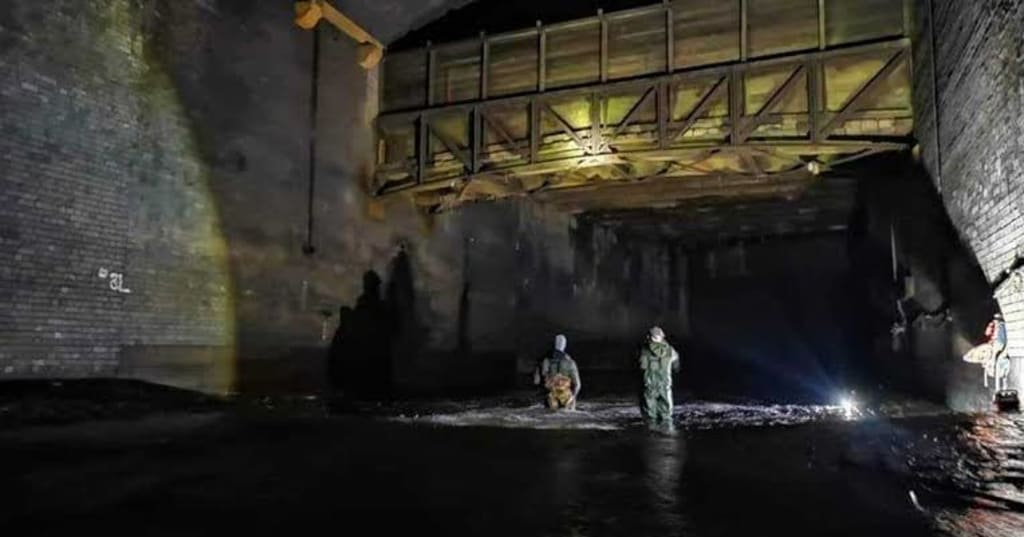
Manchester, a city renowned for its industrial heritage and vibrant culture, holds a lesser-known secret beneath its bustling streets: a perfectly preserved cattle bridge dating back to the 1650s. Tucked away from public view, this relic offers a fascinating glimpse into the city’s pre-industrial past.
For those fortunate enough to have explored it, the bridge evokes a sense of wonder and reverence. Hidden beneath the modern metropolis, it stands as a tangible connection to a time when Manchester was a burgeoning market town, long before it became the industrial powerhouse of the 19th century.
The Cattle Bridge: A Portal to the Past
The 17th century was a transformative period in English history, marked by political upheaval, agricultural innovation, and the beginnings of urbanization. Manchester, still a small town at the time, played a modest yet vital role in the local economy, serving as a hub for trade and livestock markets.
The cattle bridge, constructed around the 1650s, was a practical structure designed to facilitate the movement of livestock across the region. Its location under present-day Manchester places it near what would have been key trading routes and market spaces.
Built with durable local stone, the bridge showcases the craftsmanship of the era. Its arch, though simple, is a testament to the engineering techniques of the time. Despite centuries of urban development above it, the bridge has remained remarkably intact, preserved by the layers of history that now surround it.
Exploring the Bridge: A Hidden Treasure
For those who have ventured beneath Manchester to see the cattle bridge, the experience is unforgettable. The structure is eerily silent, shielded from the noise and chaos of the modern city above. The air is cool and damp, and the dim lighting casts long shadows, emphasizing the bridge’s timelessness.
The stones of the bridge bear the marks of time, their surfaces worn smooth by centuries of use and weathering. Some explorers report feeling a profound connection to the past, imagining the sounds of hooves clattering against the stone and the shouts of herders driving cattle to market.
Over the years, the bridge has been revisited by urban explorers and historians, each uncovering new details about its construction and use. Their accounts paint a vivid picture of life in 17th-century Manchester, where livestock markets were the lifeblood of the local economy.
Manchester in the 1650s: A City in Transition
During the mid-17th century, Manchester was a far cry from the sprawling industrial city it would later become. Its population was modest, and its economy revolved around agriculture, weaving, and small-scale trade.
Cattle played a crucial role in the region’s economy, providing meat, milk, leather, and other resources. Markets and fairs were central to community life, serving as places where goods, livestock, and news were exchanged. The cattle bridge would have been a vital part of this network, enabling the efficient movement of livestock and supporting the town’s growth.
The bridge also reflects the broader historical context of the time. The English Civil War (1642–1651) had recently concluded, leaving its mark on communities across the country. Manchester, which had sided with the Parliamentarians, was beginning to rebuild and reshape its identity.
Preservation and Rediscovery
The cattle bridge remained largely forgotten as Manchester expanded and modernized. Over time, layers of construction and urban development obscured it from view, leaving it hidden beneath the city’s streets.
Its rediscovery was a moment of triumph for historians and archaeologists, offering a rare glimpse into the city’s pre-industrial past. The bridge’s preservation is largely due to its underground location, which shielded it from the wear and tear of the modern world.
Efforts to study and document the bridge have highlighted its historical significance. It serves as a reminder of Manchester’s agricultural roots, a heritage that is often overshadowed by its industrial achievements.
The Bridge Today: A Symbol of Endurance
While the cattle bridge remains inaccessible to most, its existence is a source of fascination and pride for those who know about it. It stands as a symbol of endurance, surviving centuries of change and development.
The bridge’s story also underscores the importance of preserving historical sites, even those hidden beneath our feet. Urban landscapes are layered with history, and every brick and stone has a story to tell.
For Manchester, the cattle bridge is a reminder of the city’s journey from a rural market town to a global industrial center. It connects the past to the present, offering a tangible link to the people and communities who shaped the city’s early history.
Conclusion: A Hidden Gem Worth Celebrating
The 17th-century cattle bridge beneath Manchester is more than just an archaeological curiosity—it is a testament to the city’s resilience and adaptability. From its humble origins as a rural crossing to its preservation as a hidden treasure, the bridge embodies the layers of history that make Manchester unique.
For those who have explored its silent arches, the bridge is a source of inspiration and wonder. For the rest of us, it serves as a reminder that history is all around us, often hidden in plain sight. As Manchester continues to grow and evolve, the cattle bridge remains a steadfast witness to the city’s remarkable journey through time.
About the Creator
Keep reading
More stories from Deji Akomolafe and writers in History and other communities.
Unearthing Glory: The Golden Wreath Athlete of Ancient Lato
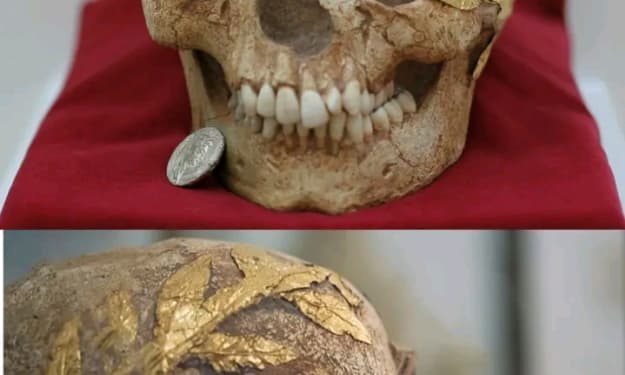
Unearthing Glory: The Golden Wreath Athlete of Ancient Lato Nestled in the heart of modern-day Agios Nikolaos, Crete, lies the ancient city of Lato, a testament to Greece's rich historical and cultural tapestry. Among its most fascinating archaeological discoveries is the skull of a young athlete, adorned with a golden laurel wreath and dating back to the 1st century AD. Unearthed during an excavation, this remarkable artifact now resides in the Archaeological Museum of Agios Nikolaos, offering a poignant glimpse into the ancient world.
By Deji Akomolafeabout a year ago in History
3 Times Ordinary Objects Did Something Deeply Unsettling
Objects surround us every day. They make life easier, more comfortable, or more entertaining. A chair supports us, a mirror shows us our reflection, and a toaster browns our bread with consistent reliability. Most of the time, they behave exactly as expected.
By Enoch Sagini4 days ago in History
When Allies Disagree: How Global Partnerships Are Being Redefined
When Allies Disagree: How Global Partnerships Are Being Redefined For much of the modern era, global alliances appeared firm and predictable. Powerful countries formed blocs, promised mutual support, and stood together during times of war and crisis. But in today’s world, those alliances are changing. Recent disagreements between long-standing partners show that global cooperation is no longer based on automatic loyalty—it is increasingly shaped by national interests, public opinion, and long-term stability.
By Wings of Time 3 days ago in History



Comments
There are no comments for this story
Be the first to respond and start the conversation.