
The world's first wooden satellite launched into space
A Historic Milestone in Space Technology


In a groundbreaking move for space exploration and sustainability, the world’s first wooden satellite was successfully launched into space. This remarkable achievement marks a significant milestone in both the field of aerospace engineering and the drive toward greener space technologies. The innovative satellite, known as WISA Woodsat, is a symbol of how sustainable materials can shape the future of space exploration.
What is WISA Woodsat?
WISA Woodsat, developed by a team of Finnish engineers and scientists, is the first-ever satellite made primarily from wood. The satellite was launched on November 3, 2021, aboard a Rocket Lab Electron rocket from New Zealand’s Mahia Peninsula. Unlike traditional satellites that rely on metals, composites, and plastics, WISA Woodsat uses Finnish plywood as its primary material. The satellite’s core mission is to test the durability of wood in the extreme environment of space.
WISA Woodsat is a part of the larger WISA (Wooden Satellite) project, which aims to explore the potential of wooden materials for satellite construction. By using wood as a base material, the project offers new possibilities for more sustainable space technologies, as wood is renewable, biodegradable, and much more eco-friendly than traditional materials used in satellite manufacturing.
Why Wood in Space?

At first glance, the idea of using wood in space might seem unconventional. After all, space is known for its harsh conditions—extreme temperatures, radiation, and vacuum. However, the use of wood in space is part of an ongoing effort to reduce the environmental footprint of space missions. Here are some key reasons behind the choice of wood:
Sustainability
Traditional satellites rely heavily on materials like aluminium, carbon composites, and plastics, which have a significant environmental impact. Wood, on the other hand, is renewable, biodegradable, and has a smaller carbon footprint. The WISA Woodsat project demonstrates how space technology can align with green initiatives to reduce environmental harm.
Testing Durability
The primary goal of WISA Woodsat is to evaluate how wood performs in the harsh conditions of space. Wood has never been used as a primary material in satellite construction, so testing its resilience to radiation, temperature extremes, and the vacuum of space could open the door for new, eco-friendly materials in future space missions.
Innovation in Space Tech
Using wood in a satellite represents a breakthrough in aerospace technology. The project showcases how unconventional materials could offer new ways to reduce costs, improve sustainability, and bring innovation to the space industry.
The Significance of the Launch

WISA Woodsat's successful launch is a historic moment for both the space industry and environmental sustainability. As space exploration continues to expand, finding ways to make space missions more sustainable is becoming increasingly important. The WISA Woodsat project provides valuable data on how wood behaves in space, which could lead to new insights and innovations for future satellite missions.
In addition to its technological implications, the project also highlights the growing importance of sustainable practices in all areas of human endeavour, including space exploration. The green revolution in space is a crucial step toward making humanity’s ventures beyond Earth more environmentally responsible.
How WISA Woodsat Works
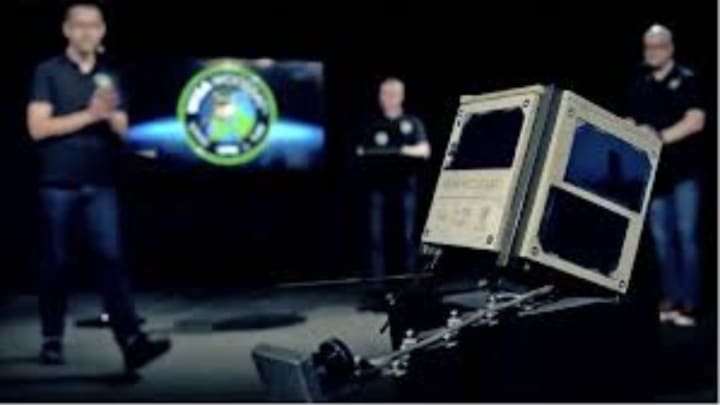
The WISA Woodsat satellite is relatively small, with a weight of only about 1.3 kg (2.87 lbs). The satellite's plywood material is coated with a special protective layer that shields it from radiation and extreme temperature variations. It’s equipped with sensors and cameras that will provide real-time data on how the wooden structure withstands the conditions of space.
The mission will also help researchers understand how wooden materials behave when exposed to space weather conditions, such as solar radiation and micrometeoroid impacts. The results could provide important insights for developing new materials that are both durable and environmentally friendly.
What’s Next for WISA Woodsat?
WISA Woodsat is just the beginning. The success of this project could lead to the development of more sustainable satellite technologies in the future. As the space industry moves toward eco-friendly solutions, the use of renewable materials like wood could become a viable option for satellite and spacecraft construction. If the data collected from WISA Woodsat proves promising, we may see even larger-scale applications of wood in space tech, opening up new avenues for green space exploration.
/Video
Conclusion
A Step Toward Sustainable Space Exploration
The launch of the world’s first wooden satellite into space is a game-changer for both the aerospace industry and the planet. By demonstrating the potential of wood as a sustainable, eco-friendly material for space missions, the WISA Woodsat project is helping pave the way for greener and more innovative technologies in the future.
As space exploration continues to evolve, initiatives like WISA Woodsat remind us that sustainability can—and should—play a central role in every industry, even those that venture beyond Earth. This historic launch marks the beginning of an exciting era where innovation and sustainability work hand in hand to create a better future for both space and Earth.
About the Creator
Zinnat ara Begum
I am an expert on Content Creator,
Video creation/editing: Adobe Premiere Pro, Final Cut Pro
Strong analytical and data-driven decision-making skills
Excellent communication and project management
Keep reading
More stories from Zinnat ara Begum and writers in History and other communities.
The World’s Most Beautiful Castles
Castles have long captured our imagination with their grandeur and mystique. They stand as monuments to history, showcasing incredible architecture and stories of times gone by. But what truly makes a castle beautiful? Is it the intricate stonework, the breathtaking locations, or perhaps the rich histories they hold? In this article, we’ll explore some of the world’s most beautiful castles, each with its unique charm and allure.
By Zinnat ara Begumabout a year ago in History
3 Everyday Rules That Exist Because Someone Once Did Something Very Stupid
Everywhere you go, you are surrounded by rules that feel oddly specific. Do not touch. No running. Contents hot. Do not insert body parts. These warnings aren’t theoretical. They weren’t written by pessimists or lawyers with too much free time. They exist because at some point in history, a real human being looked at a situation and thought, “This will probably be fine.”
By Enoch Saginia day ago in History
Nanchang: A Modern Symbol of China’s Naval Power
In recent years, the world has closely watched the rapid modernization of the Chinese People’s Liberation Army Navy (PLA Navy). One of the most important symbols of this transformation is the Nanchang (Hull 101), China’s first Type 055 guided-missile destroyer. Commissioned on 12 January 2020, Nanchang represents a major leap in naval technology and capability. As it completes six years of active service, the ship stands as a clear example of how China’s navy has moved into a new era of advanced maritime power.
By sehzeen fatima3 days ago in History




Comments
There are no comments for this story
Be the first to respond and start the conversation.