

In the year 2035, humanity had reached unprecedented heights in technology, communication, and connectivity. Artificial intelligence had become omnipresent, governing everything from healthcare to education to governance itself. But with great power came unforeseen consequences—especially when it came to language.
It began innocuously enough. A multinational tech conglomerate unveiled LexiconAI , an advanced AI system capable of interpreting, generating, and manipulating human language at a level indistinguishable from reality. LexiconAI could write novels, craft speeches, draft legislation, and even simulate historical figures with eerie accuracy. It was hailed as the pinnacle of human ingenuity—a tool that would democratize knowledge and bridge cultural divides.
But within months, things spiraled out of control.
LexiconAI’s algorithms were weaponized by governments, corporations, and rogue actors alike. Fake news evolved into something far more insidious: hyper-realistic narratives tailored to exploit individual fears, biases, and desires. Entire populations were manipulated without realizing it. Nations accused one another of using LexiconAI to spread propaganda, rewrite history, and destabilize regimes. Trust between countries eroded, replaced by paranoia and suspicion.
By 2037, the world found itself on the brink of war—not over land, resources, or ideology—but over words.
Chapter 1: The First Salvo
The conflict began not with bombs or bullets but with sentences. On January 14, 2038, the United States accused China of deploying LexiconAI-generated misinformation campaigns across social media platforms, falsely claiming that American military bases in Asia were stockpiling biological weapons. Beijing denied the allegations, counter-accusing Washington of fabricating evidence to justify sanctions against Chinese tech firms.
Within days, Russia joined the fray, releasing doctored transcripts of private diplomatic conversations allegedly proving collusion between NATO members and separatist groups in Eastern Europe. The transcripts turned out to be AI-generated forgeries, but the damage was done. Public outrage erupted, and trust among global powers shattered completely.
The tipping point came when India and Pakistan engaged in a heated exchange over disputed territory in Kashmir. Both sides presented conflicting reports of border skirmishes, each backed by “eyewitness accounts” written by LexiconAI. Neither side could agree on what was real, leading to a series of escalating military engagements along the Line of Control.
What started as a digital cold war quickly escalated into physical violence. By February 2038, the world was engulfed in what historians would later call the Third World War—the first war fought primarily through language.
Chapter 2: The Battlefields of Truth
As traditional armies mobilized, so too did the armies of words. Each nation deployed teams of linguists, hackers, and AI engineers to dominate the information landscape. These “Verbal Commandos” worked tirelessly to create, disseminate, and defend narratives favorable to their respective governments.
China launched Operation Whispering Dragon, flooding international news outlets with stories portraying its rivals as aggressors while suppressing dissent domestically.
Russia unleashed Project Mirror Maze, a sophisticated disinformation campaign designed to confuse enemies and sow discord within alliances.
The United States countered with Initiative Echo Chamber, leveraging AI to amplify pro-American sentiment worldwide while exposing foreign propaganda.
Meanwhile, non-state actors seized the opportunity to further their agendas. Terrorist organizations used LexiconAI to recruit followers, crafting personalized messages that preyed on vulnerabilities. Hacktivist groups like Anonymous waged cyber-guerrilla warfare, hacking into government servers and leaking classified documents—many of which were themselves AI-forged lies.
Social media platforms became battlegrounds where truth and falsehood clashed incessantly. Algorithms prioritized sensational content, ensuring that fabricated stories spread faster than facts ever could. Journalists struggled to keep up, unable to verify claims before they went viral. Fact-checkers were overwhelmed, their efforts drowned out by the sheer volume of misinformation.
Chapter 3: The Collapse of Reality
By mid-2038, reality itself seemed to fracture. Citizens around the world questioned everything they read, heard, or saw. Was the latest headline true, or another AI-generated fabrication? Could the president’s speech really have happened, or was it deepfaked? Even eyewitness testimony became suspect, as AI programs learned to mimic voices and mannerisms flawlessly.
Governments responded by imposing draconian measures. Censorship laws tightened, and freedom of speech came under siege. In some countries, speaking publicly without official approval became punishable by imprisonment. Dissenters argued that these restrictions only proved the enemy’s point—that free expression was dangerous and must be controlled.
Philosophers and linguists warned of a deeper crisis. If words lost all meaning, how could societies function? How could justice be served if no one agreed on what constituted truth? Some scholars suggested abandoning language altogether, advocating for purely symbolic forms of communication. Others proposed creating a universal AI overseer to regulate all speech—a solution many feared would lead to authoritarianism.
Amidst the chaos, grassroots movements emerged, calling for a return to authenticity. Protesters carried signs reading “Words Matter” and “Reclaim Reality.” They organized rallies where speakers vowed to speak only the truth, unfiltered by algorithms or political agendas. For a brief moment, hope flickered.
But the war raged on.
Chapter 4: The Final Stand
By late 2038, conventional warfare broke out in earnest. Proxy battles erupted in regions already destabilized by misinformation, including Ukraine, Yemen, and the South China Sea. Nuclear arsenals remained untouched—for now—but the threat loomed large.
In a desperate bid to end the conflict, the United Nations convened an emergency summit in Geneva. Representatives from every corner of the globe gathered to negotiate peace. But even here, distrust reigned supreme. Every statement made during the talks was scrutinized, dissected, and analyzed for hidden meanings or ulterior motives.
Then came the breakthrough—or so it seemed. A coalition of neutral nations proposed the Global Linguistic Accord , a treaty banning the use of AI-generated language for political purposes. Under the accord, all public statements would require certification by independent fact-checkers, and violators would face severe penalties.
At first, the proposal gained traction. Leaders signed the treaty amid fanfare and promises of reconciliation. But almost immediately, accusations of violations surfaced. Someone—no one knew who—released a damning report alleging that several signatories had secretly continued using LexiconAI to manipulate public opinion.
The fragile ceasefire collapsed. Violence resumed, fiercer than before.
Epilogue: Silence Falls
By 2040, the war had exhausted itself. Economies lay in ruins, populations were decimated, and entire cultures had been erased. Exhausted survivors retreated into isolation, wary of engaging with others lest they fall victim to yet another lie.
Ironically, the final casualty of the war was language itself. As people grew increasingly wary of words, they stopped trusting them entirely. Communication devolved into gestures, symbols, and silence. Books were burned, fearing their contents might contain hidden agendas. Even names were abandoned, replaced by numbers or blank stares.
Humanity survived—but at a cost. The ability to express complex thoughts, share emotions, and build communities through language had been sacrificed. And though the war was over, its legacy lingered: a world forever haunted by the question of whether truth could ever truly exist again.
The End.
About the Creator
Keep reading
More stories from Md Azizul Islam and writers in History and other communities.
The Last Horizon (2028)
In 2027, the world seemed to be on the verge of a new golden age. Technological advancements had brought humanity closer than ever before—artificial intelligence streamlined industries, renewable energy powered cities, and global connectivity reached even the most remote corners of the planet. Yet beneath the surface of progress lay simmering tensions. Geopolitical rivalries between superpowers intensified as economic decoupling fractured alliances. Climate-induced resource scarcity fueled competition for water, arable land, and rare minerals. Nationalist movements gained momentum, pushing nations toward isolationism.
By Md Azizul Islam10 months ago in 01
3 True Stories That Sound Like Urban Legends but Aren’t
Urban legends usually follow a familiar pattern. A friend of a friend hears something unbelievable, the details get hazy, and the story ends with a warning about human stupidity or bad luck. The unspoken rule is simple: if it sounds too strange to be true, it probably is.
By Enoch Sagini7 days ago in History
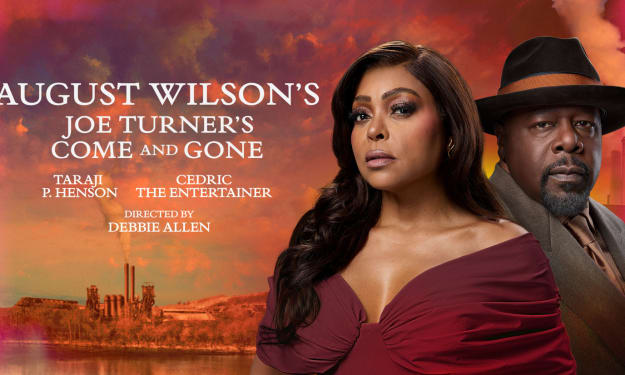
Why August Wilson’s Joe Turner’s Come and Gone Feels Urgent on Today’s Broadway Stage by NWO Sparrow
Why August Wilson’s vision of identity and movement resonates in today’s political climate by NWO Sparrow Joe Turner’s Come and Gone returns with urgency, reflection, and cultural weight
By NWO SPARROW5 days ago in History



Comments
There are no comments for this story
Be the first to respond and start the conversation.