
The Unyielding Tension: India-Pakistan Conflict 2025
A Clash That Shakes the Subcontinent

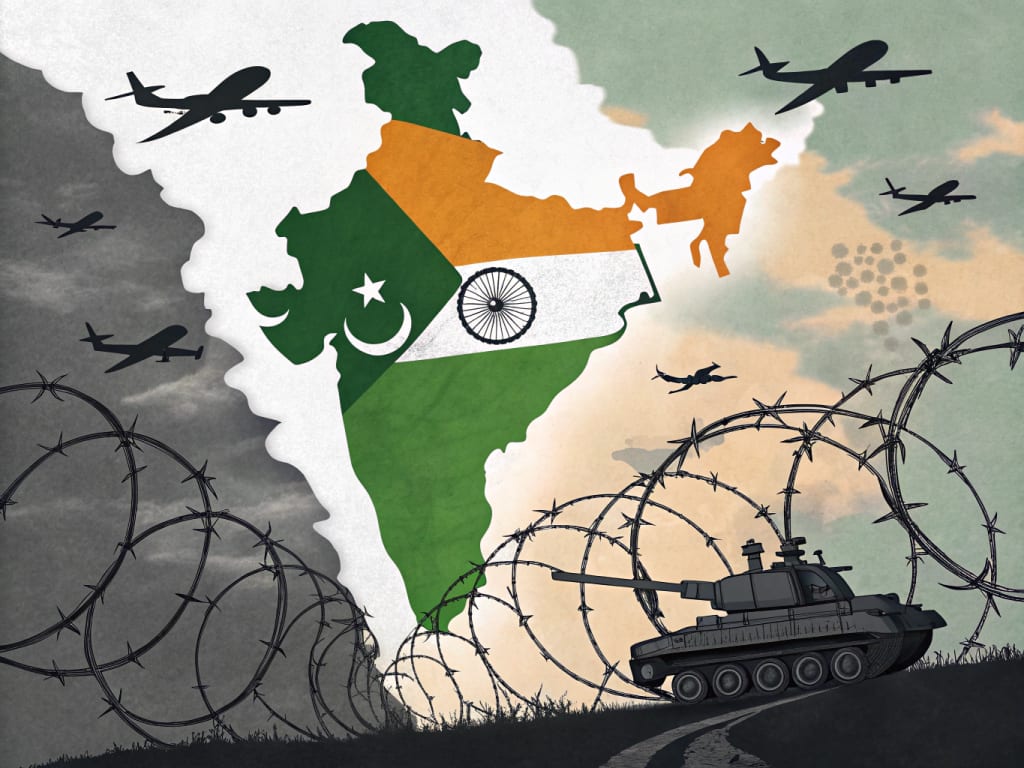
The recent escalation between India and Pakistan in May 2025 has once again brought the two nuclear-armed neighbors to the brink of conflict. Following a tragic attack in the Pahalgam region of Indian-administered Kashmir that claimed the lives of 26 Hindu tourists, the Indian Air Force launched airstrikes deep inside Pakistani territory, marking the beginning of 'Operation Sindoor.' This military operation targeted nine locations, including Bahawalpur, Muridke, and Muzaffarabad, which India claimed were terrorist infrastructure. Pakistan, however, condemned these strikes, calling them attacks on civilian areas, resulting in 31 civilian deaths and 57 injuries, many of whom were women and children.
Operation Sindoor: India's Bold Move
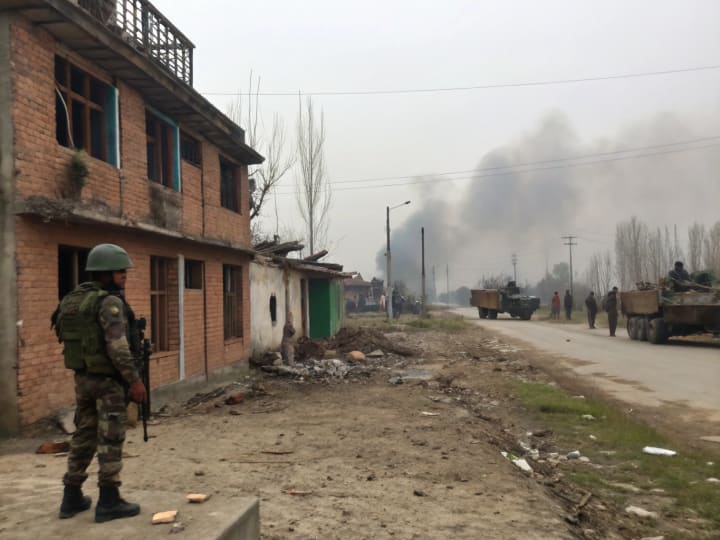
Operation Sindoor represents India's most assertive military action in years, aiming to dismantle what it calls 'terror breeding grounds. According to Indian defense officials, the strikes were a direct response to cross-border terrorism and were intended to send a clear message to Pakistan about its alleged support for militant groups. On the other hand, Pakistan's military shot down five Indian aircraft and retaliated with heavy shelling along the Line of Control (LoC), sparking fears of a broader conflict.
Nuclear Tension and Global Concern
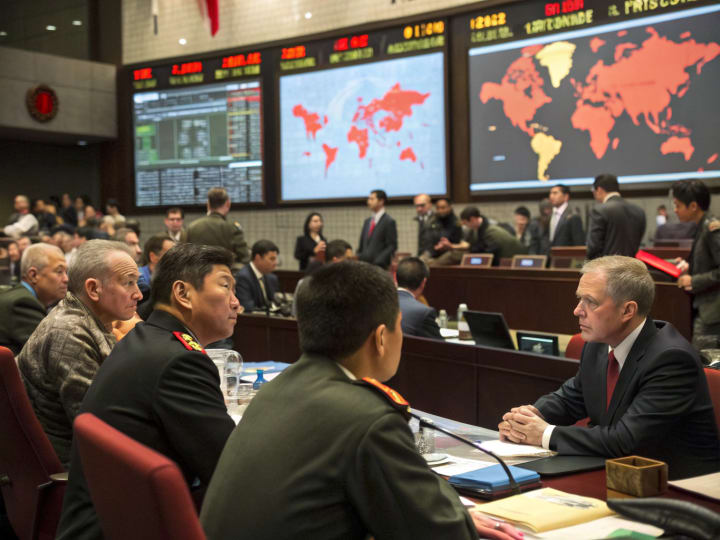
The heightened tensions have raised alarm bells globally. The United States, United Kingdom, China, and Turkey have all called for restraint and diplomatic dialogue. Analysts warn that if this conflict escalates to a nuclear level, the consequences would be catastrophic. Estimates suggest that a nuclear exchange could result in up to 125 million fatalities, with devastating environmental and economic impacts across South Asia and beyond.
Kashmir: The Core of the Conflict
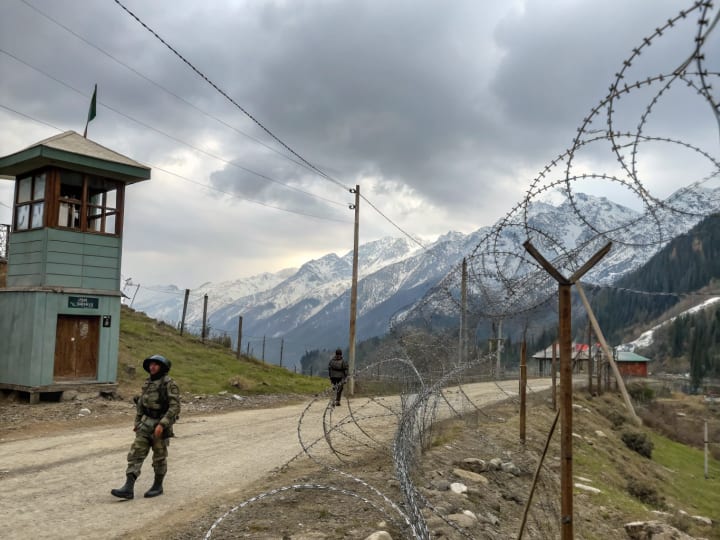
The Kashmir dispute remains the central issue fueling hostility between India and Pakistan since their partition in 1947. In 2025, frequent skirmishes, drone attacks, and ceasefire violations along the LoC have only worsened the situation. Both sides accuse each other of unprovoked aggression and support for militant activities. The recent attack in Pahalgam, which triggered Operation Sindoor, is yet another addition to the long list of violent incidents in the disputed region.
Water Crisis and Economic Ramifications
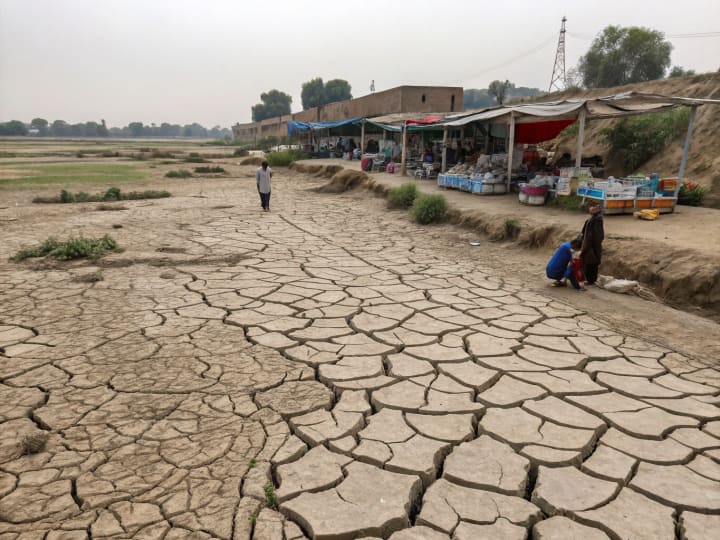
Adding to the crisis is India s recent suspension of the Indus Waters Treaty, which threatens Pakistan's already dwindling water supply. Experts warn that this move could push Pakistan into a severe water crisis, affecting agriculture and daily life for millions. Economically, Pakistan is already struggling with inflation, currency devaluation, and mounting debt. A prolonged conflict would only worsen its financial stability, while India also risks economic downturn due to heightened military expenditure.
Fifth-Generation Warfare: The Battle for Narrative
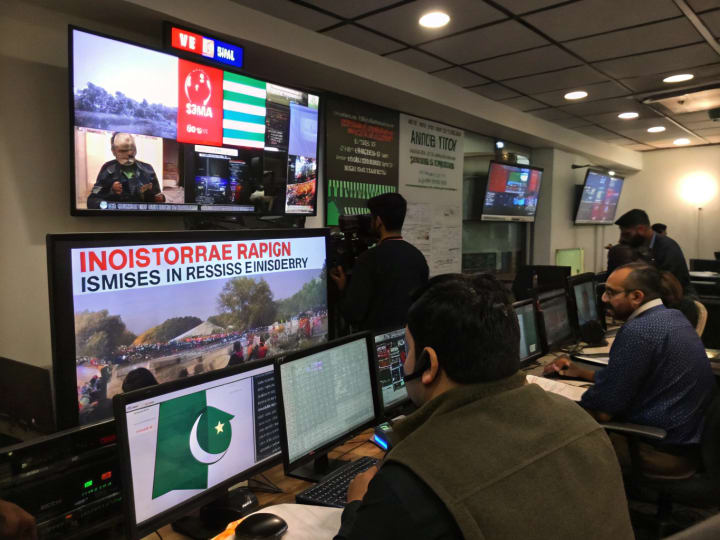
Beyond military confrontations, the two nations are engaged in a war of narratives. According to a European Union report, India has been running a massive disinformation campaign against Pakistan since 2005, utilizing fake media outlets and NGOs to influence international opinion. Pakistan, too, has been accused of using propaganda to sway public sentiment and highlight Kashmir s plight on global platforms.
The Role of the Global Community
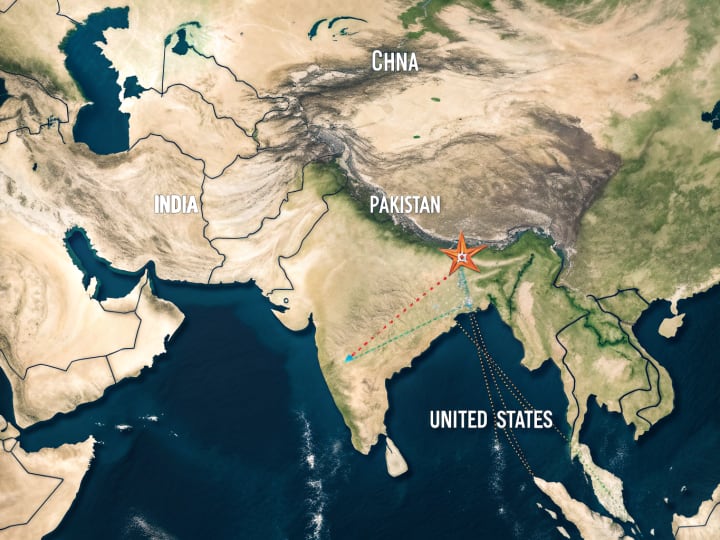
International pressure is mounting for both nations to de-escalate and pursue diplomatic talks. A recent U.S. intelligence report suggests that under Prime Minister Narendra Modi's leadership, India's stance has become increasingly aggressive, particularly in response to incidents in Kashmir. Global powers are being urged to mediate and encourage dialogue, recognizing that a full-scale conflict would not only devastate the two countries but destabilize the entire region.
🇵🇰 Countries Expressing Support or Sympathy Toward Pakistan
China
Russia
Iran
Turkey
🇮🇳 Countries Expressing Support or Sympathy Toward India
Israel
France
United Kingdom
United States
🌐 Neutral or Mediating Countries
Saudi Arabia
United Arab Emirates
Japan
Germany
Conclusion: The Path Forward
The current conflict between India and Pakistan is a stark reminder of the fragility of peace in South Asia. Both nations must recognize that war is not a solution but a gateway to further suffering and instability. It is imperative for global leaders to step in and mediate, ensuring that diplomacy prevails over destruction.
About the Creator
Keep reading
More stories from Masih Ullah and writers in History and other communities.
The Great Showdown of 2025: Pakistan vs. India – Who Will Rewrite History?
Pakistan vs India War 2025: Who Will Prevail? The year 2025 has brought with it a conflict that has captured the world's attention—Pakistan and India are once again at odds, leading to a war that many analysts have long feared. This conflict, while rooted in decades-old tensions, is unique in its scale, technology, and international implications. But the burning question remains: who will prevail?
By Masih Ullah8 months ago in History
Can the United States Leave NATO?
Can the United States Leave NATO? What It Would Take—and What It Would Mean The North Atlantic Treaty Organization, commonly known as NATO, has been one of the most powerful military alliances in modern history. Since its creation in 1949, the United States has been NATO’s strongest member—militarily, financially, and politically. But in recent years, debates have grown louder about whether the U.S. should remain in the alliance. This raises a serious question: how could the United States be removed from NATO—or leave it—and what would that mean for the world?
By Wings of Time 6 days ago in History



Comments
There are no comments for this story
Be the first to respond and start the conversation.