
The Great Showdown of 2025: Pakistan vs. India – Who Will Rewrite History?
A High-Tech War of Power, Strategy, and Survival in South Asia

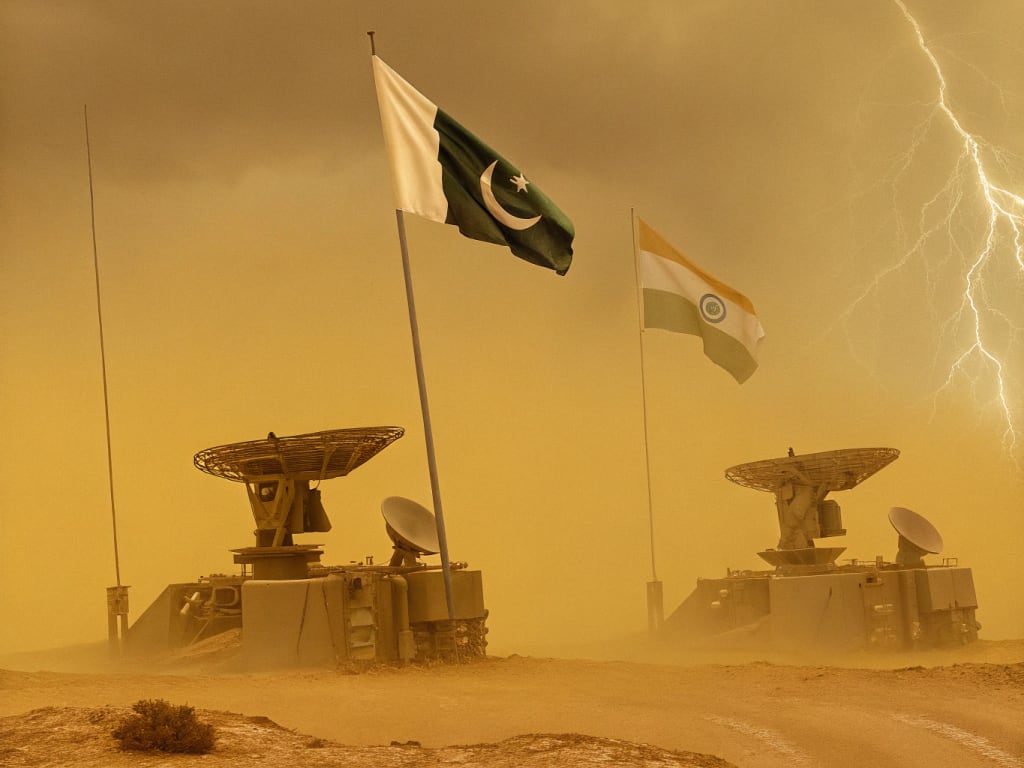
Pakistan vs India War 2025: Who Will Prevail?
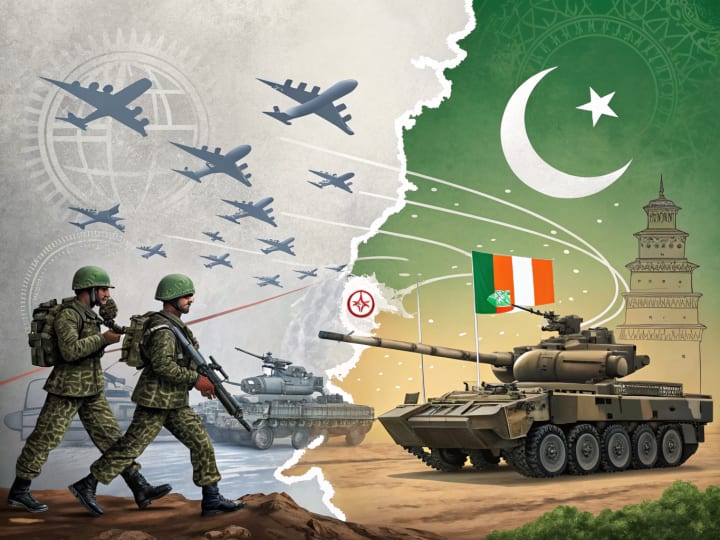
The year 2025 has brought with it a conflict that has captured the world's attention—Pakistan and India are once again at odds, leading to a war that many analysts have long feared. This conflict, while rooted in decades-old tensions, is unique in its scale, technology, and international implications. But the burning question remains: who will prevail?
Historical Context
To understand the current conflict, it's crucial to grasp the historical tensions that have long simmered between Pakistan and India. Since the partition in 1947, both nations have faced off multiple times, with major wars in 1948, 1965, 1971, and 1999. Disputes over Kashmir, political differences, and military posturing have fueled decades of rivalry. While there have been periods of relative peace, the underlying conflicts have never truly faded. Diplomatic tensions, water disputes, and territorial disagreements have only added fuel to the fire.
In recent years, both countries have seen political shifts that further deepened their divides. Nationalist sentiments grew stronger, with political leaders using rhetoric that resonated with local populations but stirred up old wounds. This buildup of animosity, paired with increasing military budgets and weapons testing, foreshadowed the inevitable clash of 2025.
The Build-Up to 2025
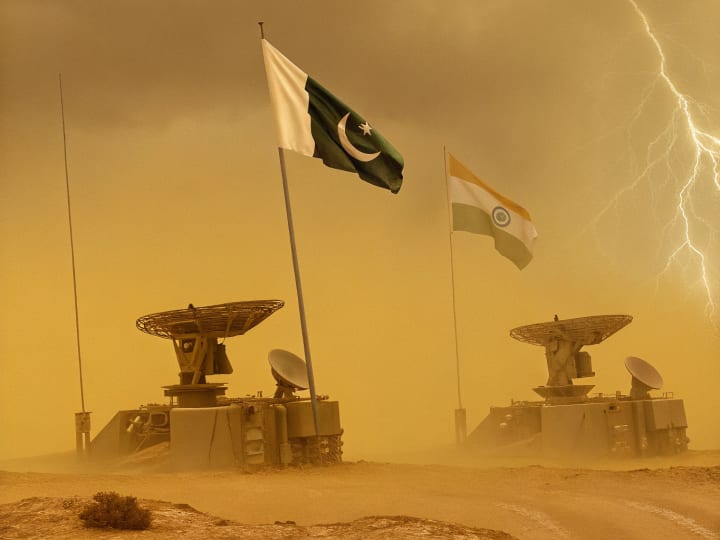
The conflict in 2025 did not erupt overnight. Over the past few years, political tensions escalated, with border skirmishes and diplomatic breakdowns becoming more frequent. Military build-ups along the Line of Control (LoC) and high-profile military drills hinted at rising aggression. Diplomatic efforts to de-escalate the situation repeatedly failed, setting the stage for a larger confrontation. International sanctions and failed peace talks only added to the frustration and determination on both sides.
Social media and mass communication also played a significant role in spreading nationalist ideologies, leading to heightened tensions among the general populations. Misinformation campaigns and propaganda became tools of psychological warfare, making reconciliation even more challenging.
Technological Edge and Military Strength
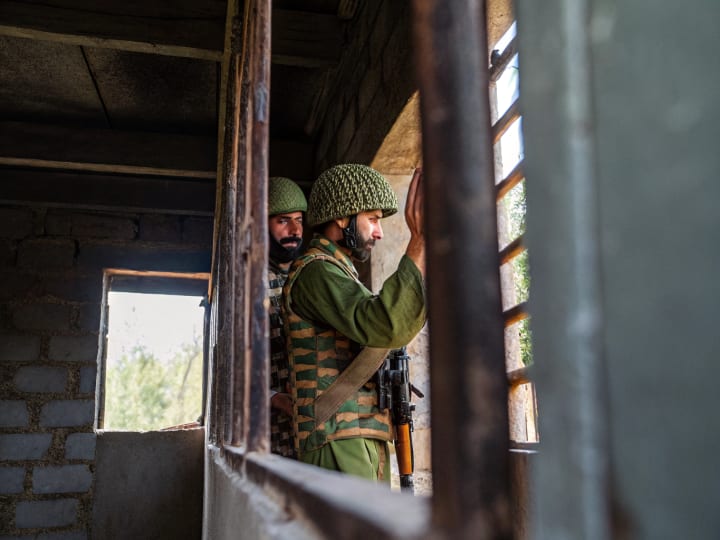
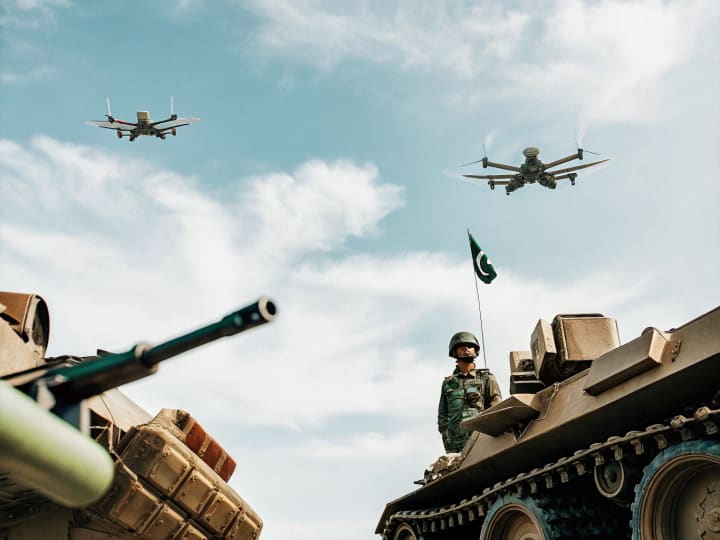
One of the most significant differences in the 2025 conflict is the use of technology. Both nations have made substantial advancements in drone technology, cyber warfare, and satellite surveillance. India's military strength is well-known, with a large standing army and significant investments in defense technologies. Pakistan, on the other hand, has focused on strategic partnerships and technological innovations to counterbalance India's numerical superiority.
The introduction of AI-driven combat systems, smart weaponry, and next-generation missile systems has transformed the battlefield. Unlike previous wars, the 2025 conflict is not just being fought on land and air but also in cyberspace, where both nations are deploying cyber-attacks to disrupt communications and intelligence. Experts suggest that this war could be the first true example of hybrid warfare, where conventional strategies meet digital battlegrounds.
International Involvement
The global community has been watching closely, with major powers like the United States, China, and Russia expressing concern. Diplomatic efforts are underway to negotiate peace, but the geopolitical stakes are high. China’s interests in the region, along with its ties to Pakistan, add a layer of complexity, while Western nations urge restraint and seek peaceful resolutions. The United Nations has called for immediate ceasefire negotiations, but both sides remain firm in their stances.
Additionally, Middle Eastern countries, deeply connected through trade and military pacts, have voiced their concerns. Economies tied to the region are also at risk, creating a ripple effect that has global consequences.

Who Holds the Advantage?
Determining who holds the upper hand in this conflict is challenging. India's sheer military size and technological investments give it a strategic advantage. However, Pakistan's focus on tactical warfare, strategic partnerships, and nuclear deterrence balances the scales. The outcome may depend less on military might and more on strategic decision-making and international diplomacy.
Economic stability, international support, and internal unity will also play critical roles. If one side falters in maintaining its economic strength, it could shift the balance dramatically. As both nations possess nuclear capabilities, the threat of escalation remains a grave concern for global peace.
Conclusion
The war between Pakistan and India in 2025 is not just another conflict; it is a pivotal moment that could redefine South Asian geopolitics. While it is impossible to predict the outcome with certainty, one thing is clear—both nations are stronger, more technologically advanced, and more prepared than ever before. Peace remains the ideal path, but if conflict persists, the world may witness a new era of warfare, where technology, strategy, and diplomacy decide the fate of nations. The hope for peace still lingers, but only time will reveal whether dialogue or destruction will shape the future of South Asia.
About the Creator
Keep reading
More stories from Masih Ullah and writers in History and other communities.
The Edge of War: Understanding the India-Pakistan Conflict 2025
Introduction The year 2025 has witnessed a dramatic escalation in tensions between two of South Asia's nuclear-armed neighbors, India and Pakistan. Triggered by a series of violent incidents and military confrontations, the conflict has now drawn international attention, raising concerns of a possible full-scale war. In this article, we will explore the root causes of the conflict, its immediate impact, the global response, and the potential paths forward.
By Masih Ullah9 months ago in History
The Quiet Name on Maple Street
Kim Jong-un was born into a world unlike almost any other—a world sealed by borders, ideology, and secrecy. As the grandson of Kim Il-sung, the founder of North Korea, and the son of Kim Jong-il, the country’s second leader, Kim Jong-un entered life already wrapped in destiny. In North Korea, leadership is not chosen by ballots or debate; it is inherited like a crown, reinforced by loyalty, fear, and an unyielding political system.
By The best writer a day ago in History


Comments
There are no comments for this story
Be the first to respond and start the conversation.