
The True Story Behind Disney’s Pocahontas: A Historical Analysis
Unveiling the Real Pocahontas: The Tragic Truth Behind Disney's Myth

Introduction: The Real Pocahontas
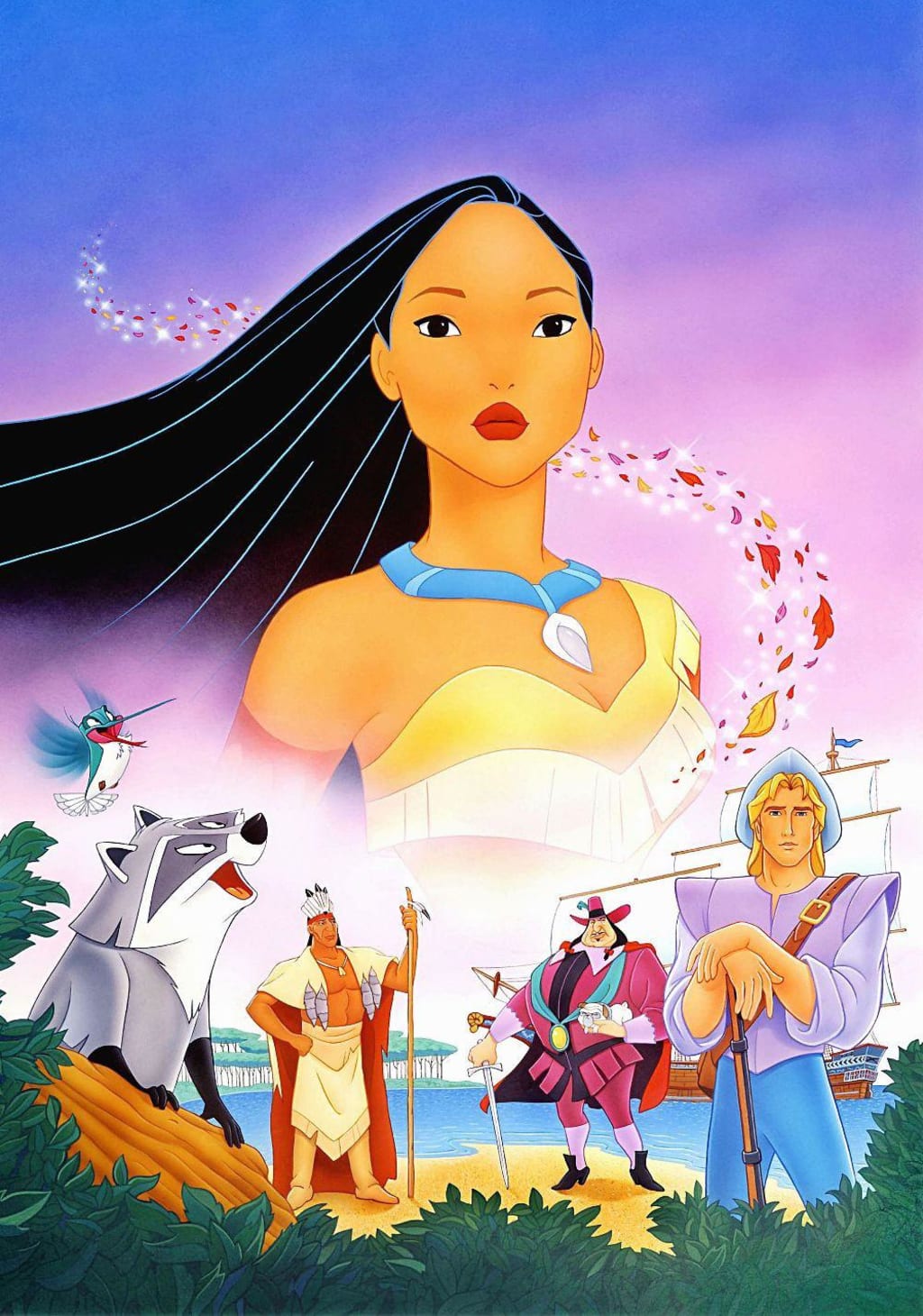
Contrary to the romanticized portrayal in Disney's animated film, the real story of Pocahontas is far from a fairy tale. Born Matoaka and later known as Amonute, Pocahontas's life was marked by tragedy rather than romance. She was one of the early Missing and Murdered Indigenous Women (MMIW), whose story has been overshadowed by myths and misrepresentations.
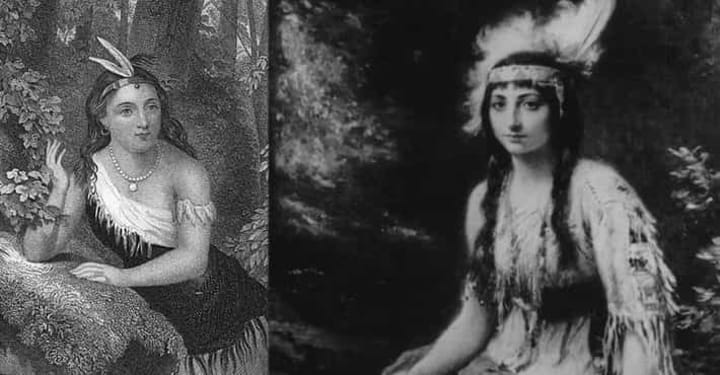
Historical Inaccuracies and Whitewashing
Disney’s portrayal of Pocahontas presents a heavily fictionalized narrative. The film suggests a romantic relationship between Pocahontas and John Smith, but historical records reveal that Pocahontas was around 10 years old when Smith arrived in her territory, while Smith was 27. Disney's storyline diverges significantly from the true events.
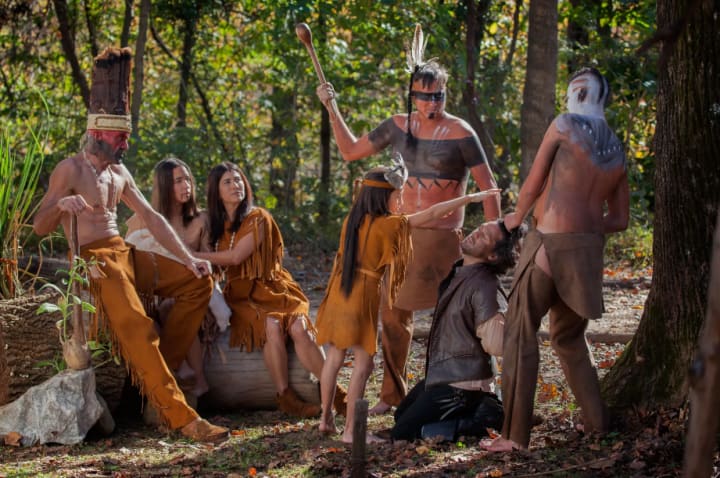
John Smith's arrival in 1607 was met with tension between the English settlers and the Powhatan tribe. Smith's interactions with Pocahontas, who was a child at the time, were not romantic but involved complex and often hostile dynamics. Historical accounts suggest Smith was known for his aggressive tactics, including holding Native leaders at gunpoint to demand resources.
Violence Against Indigenous Women and Girls
The early 1600s were a perilous time for Indigenous peoples, particularly women and children. With the arrival of English colonizers in Werowocomoco, Indigenous communities faced increased violence and exploitation. Pocahontas, the daughter of the Powhatan chief, became a target for kidnapping.
In 1613, Pocahontas was forcibly taken by English captain Samuel Argall. The kidnapping was part of a strategy to exchange Pocahontas for English prisoners and supplies. The circumstances surrounding her capture and subsequent captivity reflect the deep disregard colonists had for Indigenous lives. Pocahontas was held as a pawn in negotiations and was given minimal value—essentially being traded for a copper pot.
During her captivity, Pocahontas was separated from her infant son and forced into a traumatic situation. She was eventually converted to Christianity and baptized, receiving the name Rebecca.
The Political Symbol and Tragic Death
Pocahontas’s presence in England was intended as a symbol of peace between the English settlers and the Powhatan tribe. However, her time in England was marked by personal anguish. Reports suggest that Pocahontas was aware of her role as a political symbol and longed to return to her homeland.
Pocahontas’s brief visit to England included a meeting with John Smith, where she expressed her displeasure with his treatment of her people. Despite her desire to return to her family, Pocahontas fell ill shortly before her planned departure. She died in March 1617, at the age of around 21, from what was likely pneumonia. Her body was buried in Gravesend, England, far from her homeland.
Disney’s Romanticization and Its Impact
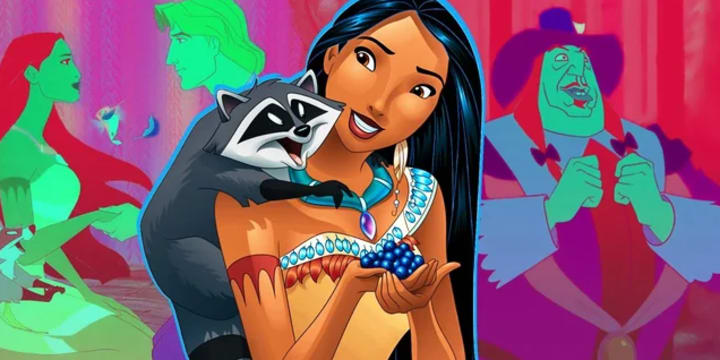
Disney’s adaptation of Pocahontas's story significantly alters historical facts, presenting a narrative of romance and harmony that oversimplifies and sanitizes the harsh realities faced by Indigenous peoples. The film’s portrayal fails to address the trauma and suffering experienced by Pocahontas and her people due to European colonization.
The romanticization of Pocahontas’s life not only distorts history but also perpetuates a misleading narrative that obscures the true impact of colonization. By framing her story as a love affair, Disney detracts from the real struggles and injustices faced by Indigenous communities.
Conclusion: Reclaiming the True Story of Pocahontas
The real story of Pocahontas is a testament to the resilience of Indigenous peoples in the face of colonization. Her life, marked by violence and exploitation, contrasts sharply with the sanitized version presented in popular media. Understanding the true history of Pocahontas is crucial in acknowledging the broader context of Indigenous experiences and addressing the ongoing impact of historical injustices.
By confronting the realities of Pocahontas’s life and rejecting romanticized versions, we can better honor her memory and the history of Indigenous peoples. It is important to approach such historical figures with a critical eye and strive for an accurate representation of their lives and experiences.
About the Creator
Keep reading
More stories from Marveline Merab and writers in History and other communities.
The Story of the Mechanical Turk: the 18th Century Chess Automation
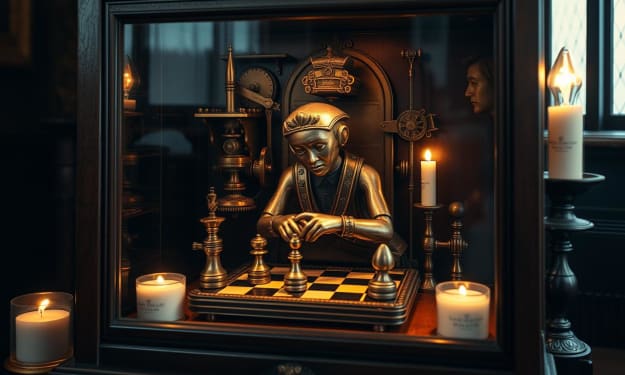
Ever thought about the chess-playing automaton that amazed people in the 18th century? This tale of the Mechanical Turk reveals its clever design and its big impact on artificial intelligence. It also shows how science and illusion work together.
By Marveline Merababout a year ago in History
Stanislav Kondrashov Oligarch Series: Echoes of Influence in Southern Italy
Oligarchy isn’t always written into the laws of a country. Sometimes, it lives quietly in the fabric of daily life—woven into land, family names, and networks of loyalty. Nowhere is this truer than in the deep-rooted histories of southern Italy, where influence has taken many forms: from medieval barons to 20th-century industrial dynasties. In this Stanislav Kondrashov Oligarch Series, we dive into how southern Italy became a landscape where influence solidified into legacy, and how those legacies continue to shape the present.
By Stanislav Kondrashov3 days ago in History
Vlad Țepeș
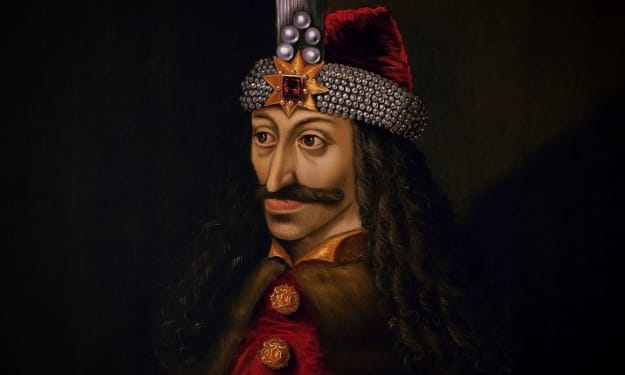
Vlad Țepeș: Sovereignty Written in Blood History remembers kings by their victories, saints by their sacrifices, and tyrants by their cruelties. Vlad Țepeș is remembered by all three and understood by none. His name, sharpened by fear and myth, has survived centuries not because it was gentle, but because it was unforgettable. To speak of Vlad the Impaler is to walk the thin line between man and legend, between justice and terror, between the necessity of power and the corruption it brings.
By Pure child3 days ago in History


Comments
There are no comments for this story
Be the first to respond and start the conversation.