
The Story Train Evolution: How Railway Changed The World
Explore the fascinating journey of how trains evolved from coal-driven steam engines to futuristic magnetic marvels.
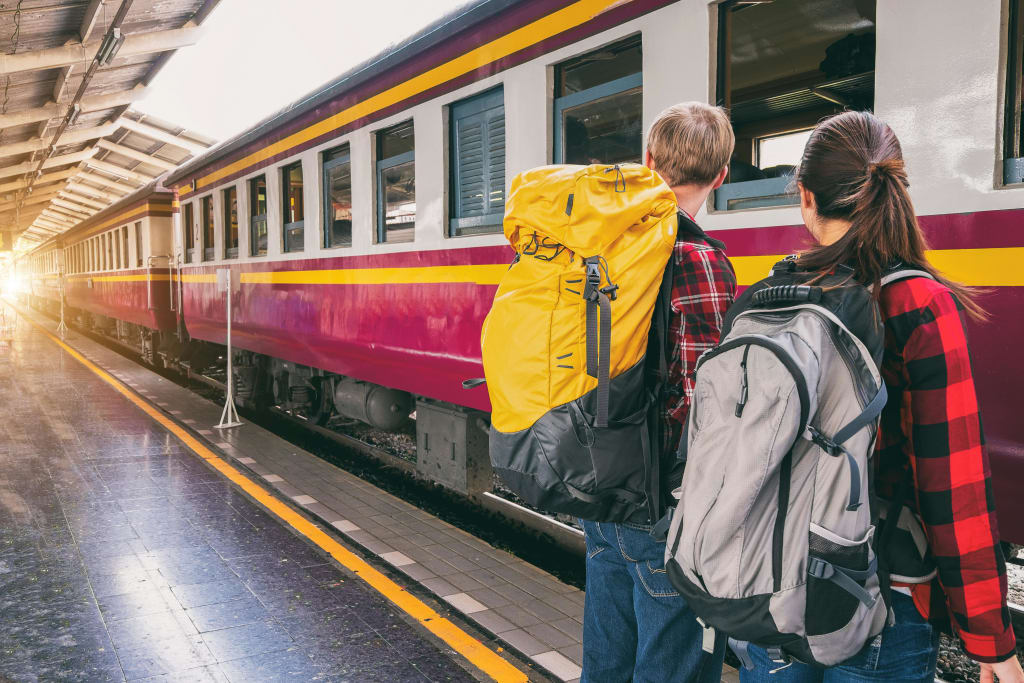
Before steel tracks stretched across continents and high-speed trains zipped past like bullets, transportation was primitive. People and goods moved by horse carts, boats, or on foot, often taking weeks to travel what would now take just hours. The need for faster, more efficient transport was rising—and that need sparked an idea that would forever reshape human progress.
In 1698, Thomas Savery introduced a steam-powered pump, mainly for mining purposes. It wasn't a train, but it was steam technology in its infancy. A few years later in 1712, Thomas Newcomen advanced the concept with an atmospheric steam engine. These machines were revolutionary, but still clunky and limited.
Then came James Watt in the mid-1700s. With his genius touch, the steam engine was reborn. Watt's innovation—adding a separate condenser—made engines drastically more efficient. His invention not only powered machines but also transformed how people imagined energy and movement.
Horsepower: A Marketing Genius Move
James Watt not only perfected the engine but also gave it a relatable identity. The term "horsepower" wasn’t just scientific—it was emotional. At the time, horses were the main mode of labor, from pulling carts to running mills.
Watt cleverly compared his steam engine’s output to the work of horses. If a farmer could get the strength of 10 or 20 horses from a single engine, why wouldn’t he switch? This simple yet powerful comparison made the abstract idea of machine energy tangible. Horsepower became a household term, and Watt's engines became the backbone of the Industrial Age.
The Birth of the Locomotive
The actual concept of a moving engine on rails came to life in 1804, when British inventor Richard Trevithick created the first steam-powered locomotive. Though his prototype was far from perfect, it laid the first stones on the railway path.
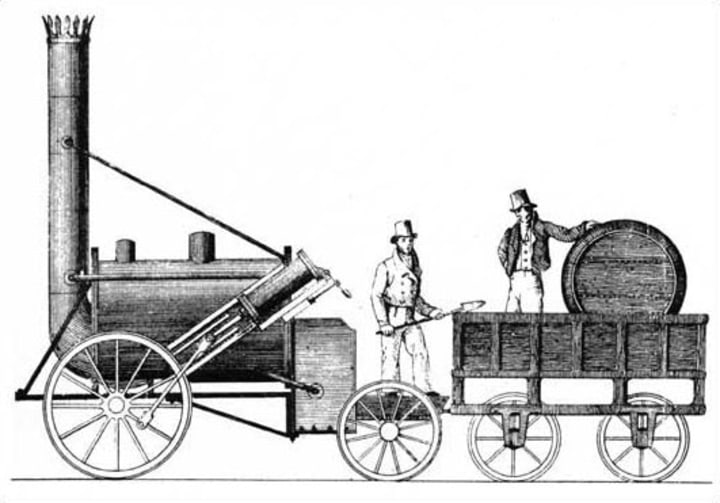
It was George Stephenson, however, who truly revolutionized train travel. In 1825, he launched the Stockton and Darlington Railway—officially the world’s first public railway to carry both goods and passengers using steam locomotives. His 1830 creation, the “Rocket,” set a new benchmark in design and performance. It could travel faster, pull more weight, and remain stable—qualities that made it the model for future locomotives.
How Trains Accelerated the Industrial Revolution
With steam locomotives gaining popularity, industries found a golden opportunity. Trains were no longer mere machines—they were lifelines for commerce. Raw materials like coal and iron could now be transported to factories faster. Finished goods could reach marketplaces far and wide.
The effect was immediate and massive. Villages grew into towns, towns into cities. Factories expanded. Trade boomed. Trains didn’t just transport goods—they carried hopes, dreams, and economies on their backs.
Trains That Transformed Nations
The latter half of the 19th century witnessed a global railway boom. In the United States, the completion of the Transcontinental Railroad in 1869 linked the East to the West, boosting migration and trade like never before.
In India, the first train ran in 1853 between Mumbai and Thane, laying the foundation for what would become one of the world’s most intricate railway networks. Across Europe and Asia, railways served as both physical and economic connectors, helping countries industrialize at breakneck speed.
From Steam to Diesel and Electric Trains
As the 20th century dawned, it was clear that steam had its limitations. Maintaining steam engines was expensive and time-consuming. Coal wasn’t exactly clean either.
Diesel engines started emerging in the 1920s and offered more power, reliability, and fuel efficiency. Electric trains also began to gain ground, especially in urban and suburban areas. They ran smoother, emitted less pollution, and offered a quieter, cleaner ride.
These shifts marked a new chapter—one that prioritized sustainability, convenience, and cost-effectiveness.
Japan’s Bullet Train Breakthrough
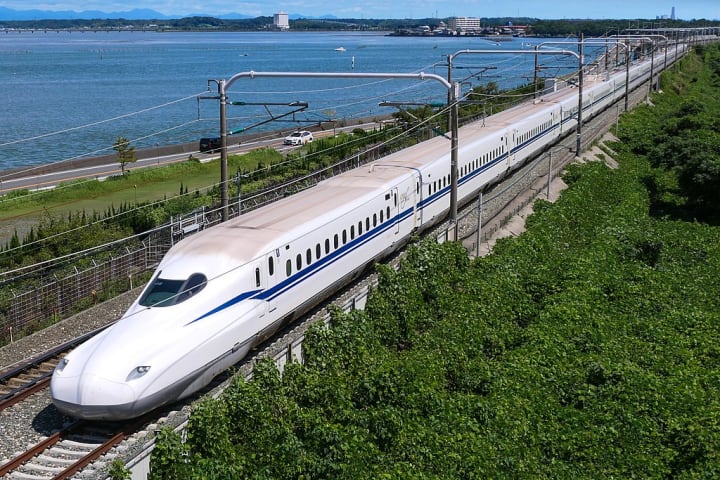
In 1964, the world watched in awe as Japan introduced the Shinkansen, also known as the Bullet Train. Designed for speed and safety, it could travel over 200 km/h—unheard of at the time. It redefined passenger travel, blending engineering precision with futuristic design.
Other countries followed suit. France launched the TGV, Germany created the ICE, and South Korea, Italy, and Spain also developed high-speed rail. But it was Japan’s consistent innovation that kept it at the forefront of rail technology.
The Age of Smart and Magnetic Trains
In today’s world, trains are smarter and more advanced than ever. Digital controls, automated systems, and AI-backed operations ensure smoother rides and reduced human error.
Then came the magnetic levitation—or maglev—train. These trains don’t have wheels. Instead, they float on magnetic fields, eliminating friction and allowing unimaginable speeds. The Shanghai Maglev Train is a testament to this technology, clocking in at speeds up to 430 km/h.
Looking Ahead: The Future of Train Travel
So, what lies ahead? One word—Hyperloop. Popularized by Elon Musk, this proposed mode of transport involves capsules traveling through vacuum tubes at over 1000 km/h. If successful, it could redefine not just rail travel, but transportation itself.
Also on the horizon are energy-efficient hydrogen-powered trains, autonomous rail systems, and seamless rail-to-airport transit integration. The future is fast, clean, and incredibly smart.
Final Thoughts: More Than Just Machines
Trains are more than rolling metal boxes on rails. They are storytellers of human ambition. From the steam-filled coal yards of the 18th century to the sleek, whispering maglev trains of today, every chapter of train evolution reflects a leap in our imagination and engineering prowess.
Next time you board a train, pause for a moment. You’re not just riding a machine—you’re riding centuries of innovation, vision, and transformation.
About the Creator
The Year 1945 in Review: Fun Facts, Trivia, and Historic Highlights
This quick read is a collection of fun facts, trivia, and historic events from the year 1945. Discover the year’s top news stories, most influential people, notable inventions, sports facts, the cost of living, entertainment trivia, and much more.
By Gregory DeVictorabout 9 hours ago in History


Comments
There are no comments for this story
Be the first to respond and start the conversation.