
The Significance of Christmas in December
A question many ask answered

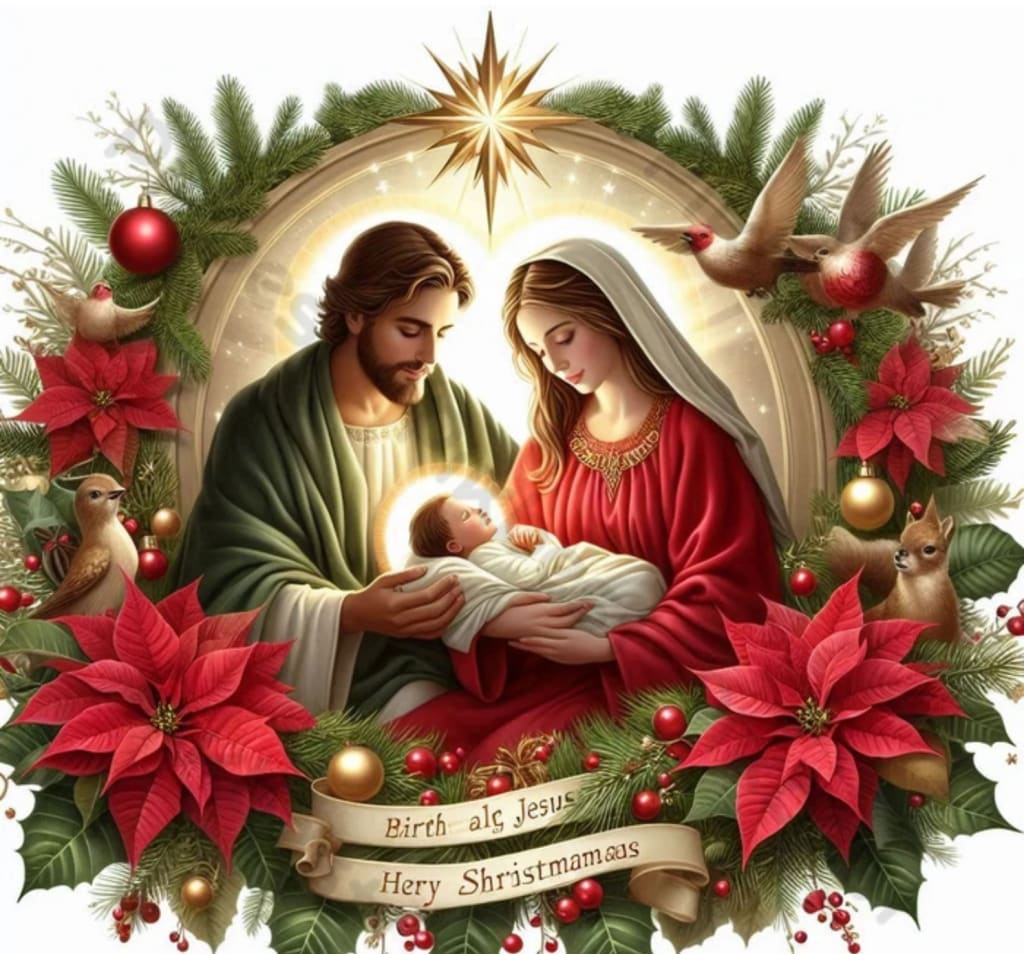
The Significance of Christmas on December
The celebration of Christmas on December 25th is a rich tradition steeped in history, cultural influences, and theological significance. To fully understand the reasons behind this specific date, we must explore the conjunction of various events, beliefs, and practices that have evolved over centuries.
The Birth of Jesus Christ
At the heart of Christmas lies the birth of Jesus Christ, a pivotal event in Christianity. While the Bible does not provide a specific date for this momentous occasion, early Christians felt a deep need to commemorate it. By the mid-4th century, the growing Christian community was eager to establish a celebration for the arrival of Jesus, who represented hope, love, and redemption for countless believers.
Roman Festivals and Pagan Traditions
To find the origins of December 25th, we must journey back to ancient Roman traditions. The Romans celebrated a festival known as Saturnalia in mid-December, honoring the god Saturn, who represented agriculture and renewal. During Saturnalia, people engaged in feasting, merriment, and the exchange of gifts. This period of joy and laughter permeated society, reflecting the desire for community and connection during the dark winter months.
In addition, many ancient cultures celebrated the Winter Solstice around December 21st or 22nd—the shortest day of the year—marking the return of longer days and the rebirth of the sun. This celebration symbolized renewal and hope, where families gathered to share warmth and joy, often lighting fires or candles to ward off the darkness.
The Influence of Constantine
In the early 4th century, Emperor Constantine played a pivotal role in establishing December 25th as Christmas Day. He embraced Christianity and sought to unify the Roman Empire under this new faith. In 336 AD, he proclaimed December 25th as the official date for the celebration of Jesus’s birth. By choosing this date, the Church aimed to provide a Christian alternative to the popular pagan festivities, facilitating the acceptance of Christianity among the Roman populace.
Aligning December 25th with existing winter celebrations allowed the early Church to honor tradition while promoting the Christian message. This approach helped to bridge cultural divides, as it expressed the themes of hope and renewal that resonated strongly in both Christian and pagan customs.
Theological Considerations
Furthermore, the theological significance of December 25th is rooted in early Christian beliefs. Some early Christians proposed that Jesus was conceived on March 25th, coinciding with the Spring Equinox. By counting nine months forward, this brings us to December 25th. It became a day laden with meaning, representing the divine incarnation in the world—a moment that signified love and light penetrating the darkness.
The Evolution of Christmas Traditions
As centuries passed, the celebration of Christmas began to evolve and gain its unique character, influenced by various traditions and local customs. By the Middle Ages, the Christian feast of Christmas was established, marked by special church services, gatherings of families, and communal celebrations. Over time, customs such as singing carols and setting up nativity scenes became synonymous with the holiday.
During the Victorian era in the 19th century, Christmas underwent a revival, with an emphasis on family, generosity, and compassion. Figures such as Charles Dickens greatly influenced the modern interpretation of Christmas, highlighting the importance of kindness and charity. The spirit of giving became intertwined with the observance of Christmas, as families exchanged gifts to express love and appreciation.
Global Observance
Today, Christmas is celebrated in various forms around the world, transcending religious boundaries to embody themes of love, kindness, and community spirit. While the focus remains on the birth of Jesus Christ, many cultures have incorporated their own practices, resulting in a rich array of traditions.
The 25th of December has become a symbol of joy, embodying the essence of family gatherings, festive meals, and acts of goodwill. It serves as a reminder that, regardless of one’s personal beliefs, love and shared connection are universal values that bring people together.
The Conclusion
In conclusion, the celebration of Christmas on December 25th is a beautiful convergence of history, culture, and faith. It represents not only the birth of Jesus but also the enduring spirit of love and hope that unites us all. By embracing the significance of this day, we honor the past and affirm our commitment to creating a future filled with kindness and compassion. As families gather to celebrate on this special day, they echo the sentiments of countless generations who have come before, reminding us that even in the coldest of winters, love shines brightly.
About the Creator
George’s Girl 2026
I've been writing poetry since the age of 10. With pen in hand, I wander the realms unseen. The pen holds power; ink reveals thoughts. A poet may speak truth or weave a tale. You decide. Let pen and ink capture you ❤️#Marie381UkWrites
Reader insights
Outstanding
Excellent work. Looking forward to reading more!
Top insight
Heartfelt and relatable
The story invoked strong personal emotions
Keep reading
More stories from George’s Girl 2026 and writers in History and other communities.
StoneHenge take 2
Whispers of Stonehenge by George’s Girl In the heart of a land so ancient, where the very soil breathes the remnants of time, there lies a monument that has withstood the ages—Stonehenge. This iconic structure, with its colossal stones standing resolute against the passage of centuries, weaves a picture imbued with the threads of history, mystery, and magic. Bathed in the ethereal glow of twilight, it beckons to those who seek to uncover the secrets held within its embrace, whispering stories from ages long past to anyone willing to listen.
By George’s Girl 2026 about a year ago in History
Babbling Dixie
The short form of tomorrow is never the whole story. Abbreviations mean nothing when we are born to die and we all are aren't we? Being spoken for before birth is something we're not supposed to remember like some kind of karma after effect. Still here we are spending our lives looking for each other.
By Canuck Scriber Lisa Lachapelleabout 6 hours ago in Fiction



Comments (2)
This comment has been deleted
Good work Celebrating Christmas in remembering Jesus Christ's Suffering and his Lovforto all the world 🌎
What a great read and some facts I did not know about the Christmas holiday. Good job.