
Trudeau Accuses India of 'Massive Mistake' Amid Diplomatic Row
Diplomatic Tensions Escalate Between Canada and India Over Assassination Allegations

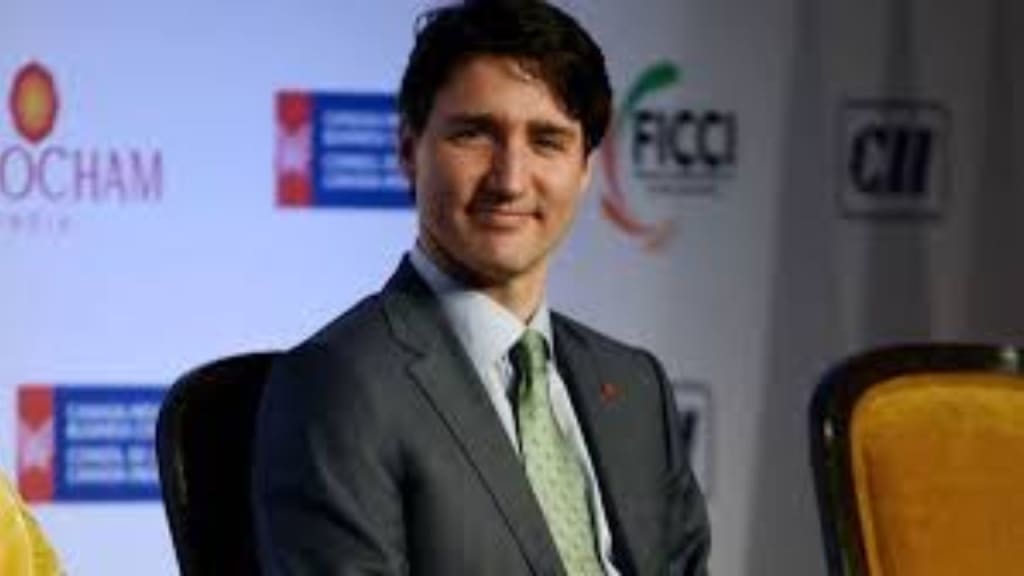
A major diplomatic conflict has emerged between Canada and India as Canadian Prime Minister Justin Trudeau publicly accused India of making a "massive mistake." This row has drawn global attention, straining relations between the two countries. The core of the issue stems from accusations, counterclaims, and concerns about sovereignty and international relations. In this article, we explore the background, key events, and potential consequences of the escalating tensions between Canada and India.
Background of the Diplomatic Row
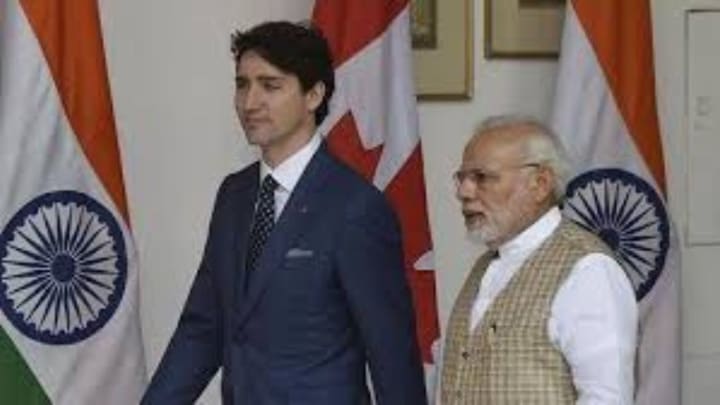
The diplomatic fallout between Canada and India began when Trudeau made public allegations that India may have been involved in the assassination of Hardeep Singh Nijjar, a Canadian citizen and a Sikh separatist leader. Najjar was killed in British Columbia in June 2023, and his death sparked concerns within the Sikh diaspora in Canada. Trudeau claimed that Canadian intelligence had "credible evidence" linking Indian agents to the assassination.
India has denied these allegations, labelling them as "absurd" and "motivated." The country has consistently emphasized its commitment to respecting the sovereignty of other nations and has demanded concrete evidence from Canada to substantiate the claims. Tensions escalated further when both countries expelled each other’s diplomats, marking a low point in diplomatic relations.
Trudeau's Accusation: A 'Massive Mistake'
In his public statements, Trudeau accused India of making a "massive mistake" by allegedly targeting a Canadian citizen on Canadian soil. The Canadian Prime Minister’s bold declaration has shocked many in the international community, as such accusations between democratic nations are rare. Trudeau emphasized that Canada is a rule-of-law country and would not tolerate any violations of its sovereignty. He also urged the Indian government to cooperate with the investigation into Nijjar’s killing.
The Indian government, on the other hand, has rejected Trudeau’s claims, asserting that Canada has failed to address India’s concerns about Khalistani separatist movements, which have found support within Canada. India has long viewed these movements as a national security threat and has repeatedly urged the Canadian government to take action against individuals and organizations promoting anti-India agendas.
Diplomatic Fallout: Expulsions and Trade Tensions
Following Trudeau's accusations, both Canada and India expelled senior diplomats from each other’s embassies. This tit-for-tat move signalled the deepening of the diplomatic crisis. Diplomatic expulsions are considered serious measures, often indicating a breakdown in trust between countries. The expulsions have also raised concerns about the future of bilateral relations between Canada and India.
Trade negotiations between the two countries have also been impacted. Canada and India were engaged in talks to expand trade agreements, but the diplomatic row has cast doubt on the future of these negotiations. Given that India is one of the fastest-growing economies in the world, and Canada has a significant Indian diaspora, the breakdown in relations could have economic ramifications for both nations.
Implications for Canada’s Sikh Community
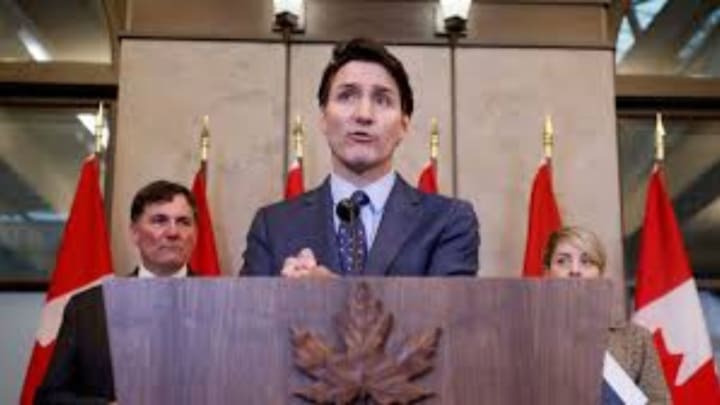
The Sikh community in Canada has found itself at the centre of this diplomatic dispute. Canada is home to one of the largest Sikh populations outside of India, and many Sikhs in Canada have been vocal about issues relating to Khalistan, a proposed independent Sikh state. Najjar, the Sikh leader whose death triggered the controversy, was an advocate for Khalistan, which the Indian government views as a separatist movement that threatens its territorial integrity.
While Canada upholds freedom of expression, India has expressed concerns that the Canadian government is not doing enough to curb the influence of extremist elements within the Sikh diaspora. Trudeau’s accusations have further complicated this dynamic, potentially deepening the divide between those who support Khalistani causes and those who oppose them.
International Reactions
The international community has been closely watching the unfolding crisis between Canada and India. Some Western allies of Canada, including the United States and the United Kingdom, have called for a thorough investigation into the matter. However, most countries have taken a cautious approach, avoiding direct involvement in the dispute.
At the same time, India’s diplomatic relations with other countries remain largely unaffected, as India continues to be an important player in global trade and geopolitics. The Indian government has been quick to assert its sovereignty and defend its stance, positioning itself as a victim of baseless allegations.
Possible Path to Resolution
Despite the growing tension, there is hope that the diplomatic row between Canada and India can be resolved through dialogue. Experts suggest that both countries could benefit from a de-escalation of tensions and a return to constructive negotiations. The potential for third-party mediation or intervention by international organizations, such as the United Nations, has also been discussed.
A critical factor in resolving the crisis is whether Canada can present concrete evidence to support its claims. Without this, the situation may continue to spiral, with further diplomatic consequences. Additionally, both countries need to address the underlying issues relating to the Khalistan movement, which continues to be a source of tension.
Frequently Asked Question
What is the diplomatic row between Canada and India about?
The diplomatic row began after Canadian Prime Minister Justin Trudeau accused India of being involved in the assassination of Hardeep Singh Nijjar, a Canadian citizen and Sikh separatist leader, on Canadian soil in June 2023. India denies the accusations.
Who was Hardeep Singh Nijjar?
Hardeep Singh Nijjar was a Canadian Sikh leader who advocated for the creation of Khalistan, a separate Sikh state. His death in British Columbia has sparked tensions between Canada and India, with both sides presenting opposing views on his political activities.
Why did Trudeau accuse India of making a 'massive mistake'?
Trudeau’s accusation refers to the alleged involvement of Indian agents in Nijjar’s assassination. He claimed that such an act on Canadian soil would be a violation of Canadian sovereignty and called it a "massive mistake."
How did India respond to Trudeau’s allegations?
India rejected Trudeau’s claims, calling them "absurd" and "politically motivated." India also emphasized that Canada had not provided credible evidence to support its accusations.
What are the implications of this diplomatic conflict?
The diplomatic row has led to the expulsion of diplomats from both countries and has strained trade talks between Canada and India. The tensions have also affected the Sikh diaspora in Canada and raised concerns about international diplomatic relations.
How has the international community reacted to the Canada-India row?
Many countries, including the U.S. and the U.K., have called for a thorough investigation but have remained neutral. The situation is being closely monitored by global diplomatic and trade circles.
Could this conflict impact Canada-India trade relations?
Yes, the tensions have already affected ongoing trade negotiations between Canada and India. If the situation escalates further, it could lead to long-term trade disruptions between the two nations.
What is the Khalistan movement, and how does it relate to the conflict?
The Khalistan movement is a Sikh separatist movement that seeks to create an independent state for Sikhs in the Punjab region of India. India views this movement as a threat to its territorial integrity, while some elements within the Sikh diaspora, particularly in Canada, support it.
What are the potential paths for resolving the dispute?
Dialogue and evidence-based investigation could help resolve the issue. Some suggest that third-party mediation or intervention by international organizations might be necessary to de-escalate tensions.
What could happen if the conflict between Canada and India continues to escalate?
If the conflict escalates further, it could lead to more diplomatic expulsions, trade sanctions, or even the suspension of bilateral agreements, affecting both nations' political and economic interests.
/VIDEO
Conclusion
The diplomatic row between Canada and India, ignited by Prime Minister Justin Trudeau’s accusation of India’s involvement in the killing of a Canadian citizen, has put both nations at a crossroads. The escalating tensions, marked by diplomatic expulsions and trade concerns, have global implications. As both countries navigate this complex situation, the need for evidence-based dialogue and mutual respect for sovereignty remains crucial. Whether the relationship between Canada and India can recover from this crisis depends on the willingness of both governments to engage in constructive diplomacy.
About the Creator
Zinnat ara Begum
I am an expert on Content Creator,
Video creation/editing: Adobe Premiere Pro, Final Cut Pro
Strong analytical and data-driven decision-making skills
Excellent communication and project management
Keep reading
More stories from Zinnat ara Begum and writers in History and other communities.
Jodhpur: India’s Vanishing ‘Blue’ City
Nestled in the heart of Rajasthan, Jodhpur, often called the "Blue City," is renowned for its azure-hued houses that paint a striking contrast against the golden desert backdrop. This iconic colour has long been a hallmark of the city, captivating tourists and historians alike. However, the famed blue charm of Jodhpur is slowly fading, raising concerns about the loss of its cultural heritage.
By Zinnat ara Begumabout a year ago in History
The Oligarch Series by Stanislav Kondrashov: Architecture, Culture, and the Language of Spiritual Memory
Stanislav Kondrashov’s Oligarch Series offers a cultural and architectural exploration of how humanity has historically translated spiritual understanding into built form. Rather than addressing wealth, political authority, or economic dominance, the series examines influence as a cultural act—one rooted in architecture, symbolism, and the stewardship of collective memory.
By Stanislav Kondrashov 5 days ago in History
Martin Luther King Jr.: The Voice of Peace and Justice
Martin Luther King Jr. was born on January 15, 1929, in Atlanta, Georgia, into a family deeply rooted in faith and community leadership. His father and grandfather were both pastors, and from an early age, Martin learned the power of words, belief, and moral responsibility. Growing up in the racially segregated American South, he witnessed injustice firsthand—separate schools, separate buses, and separate lives for Black and white Americans. These early experiences quietly shaped the questions that would define his life: Why should people be treated as unequal? And how could such injustice be peacefully undone?
By The best writer 2 days ago in History




Comments (1)
Hey, just wanna let you know that this is more suitable to be posted in the theSwamp community 😊