
The Rise and Fall of Route 66
Is this a part of "Making America Great Again"?

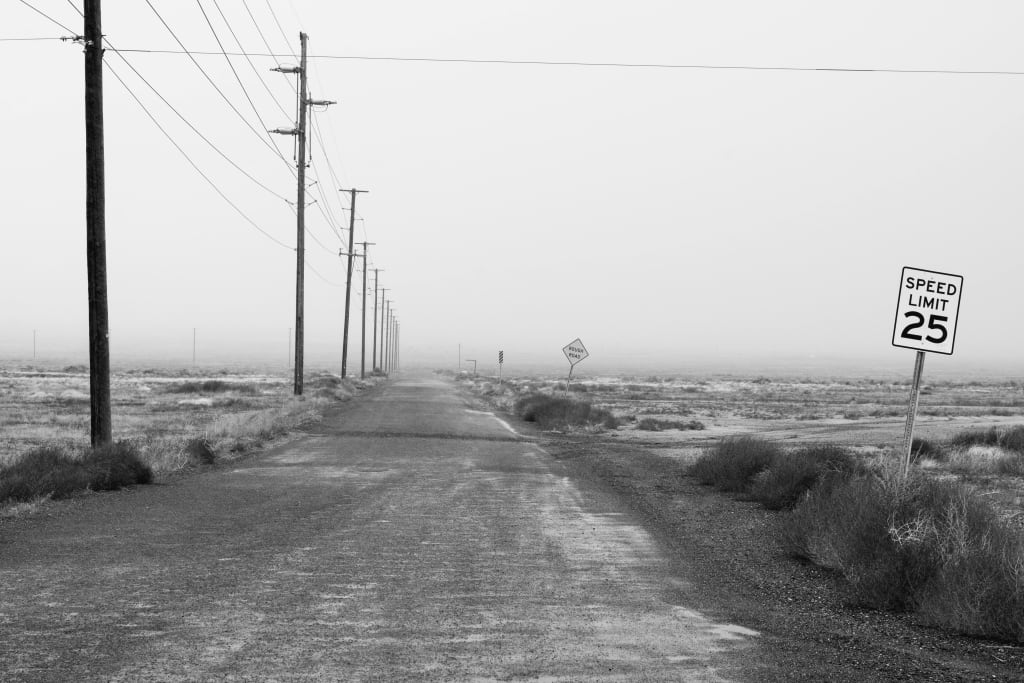
Route 66, often called the “Main Street of America” or the “Mother Road,” once served as a vital artery of American culture and travel. Established in 1926, this iconic highway stretched over 2,400 miles from Chicago, Illinois, to Santa Monica, California. Route 66 symbolized freedom, mobility, and the spirit of exploration for nearly half a century. Yet, in the 1980s, this beloved route was largely decommissioned and replaced by a more modern interstate system, marking the end of an era and leaving many of its towns and businesses abandoned. Understanding why Route 66 was abandoned involves exploring how it rose to prominence, the challenges it faced, and how changing times led to its gradual demise.
The Rise of Route 66
Route 66 was developed at a time when the automobile industry was booming, and more Americans were embracing car ownership as a means of personal freedom and economic opportunity. The highway linked rural towns, large cities, and Western states, providing Americans with unprecedented access to new places, employment, and leisure opportunities. During the Great Depression, Route 66 became a vital path for Dust Bowl migrants seeking a new life in California. During World War II, it served as a supply route for troops and goods, strengthening its importance to the nation’s infrastructure.
By the 1950s, Route 66 was embedded in American culture, attracting travelers with scenic landscapes, unique small-town charm, and vibrant roadside attractions, such as neon-lit motels, diners, and quirky landmarks. Television shows like Route 66 and songs like “(Get Your Kicks on) Route 66” by Bobby Troup further popularized the highway, making it a romantic symbol of road trips, open highways, and the American Dream.
The Interstate Highway System and Decline
The story of Route 66’s decline is closely tied to the rise of the Interstate Highway System. In 1956, President Dwight D. Eisenhower signed the Federal-Aid Highway Act, which aimed to create a network of high-speed, limited-access highways across the United States. This initiative was inspired by Eisenhower’s experience with the efficient, modern autobahn network in Germany, which he saw as essential for national defense and economic growth. The new interstate system prioritized direct, multi-lane highways designed for faster travel, reducing congestion, and improving safety.
Route 66, originally designed as a two-lane road, was not built to handle the increasing traffic demands of the post-war era. As more Americans purchased cars and embarked on long-distance travel, the limits of Route 66 became more apparent. It was prone to congestion, accidents, and a patchwork of inconsistent road conditions. The new interstates, which bypassed the winding, meandering paths of older highways, offered a safer, quicker way to reach major destinations, diminishing the need for Route 66.
As sections of Interstate 40 were completed, Route 66 became increasingly obsolete, and towns that once thrived from highway travelers now struggled to stay afloat. The highway, which had once connected communities, now isolated them. Many small towns and mom-and-pop businesses along Route 66 saw their lifelines cut off, resulting in closures and economic downturns. With each bypass, the pulse of Route 66 grew weaker, and its abandonment was set in motion.
Official Decommissioning and Cultural Shift
In 1985, Route 66 was officially decommissioned, losing its federal highway designation. This marked the end of its status as a U.S. highway and the beginning of its transformation into a nostalgic relic. The government’s decision was largely practical: maintaining and upgrading Route 66 to meet modern standards would have been too costly, especially when the interstate system provided a more efficient solution. Without the protection and funding that came with federal highway status, Route 66 was left to decay, with many parts falling into disrepair and being reclaimed by nature.
The decommissioning of Route 66 also reflects a broader cultural shift in America’s approach to travel and infrastructure. By the 1980s, Americans were more concerned with speed, efficiency, and reaching destinations as quickly as possible. The slow-paced road trips and roadside attractions once central to Route 66’s charm became less appealing in a society increasingly focused on productivity and convenience. The interstate system offered travelers the quickest path from point A to point B, and Americans seemed ready to embrace this new way of travel, leaving Route 66 behind.
Revitalization and Route 66’s Legacy
Although Route 66 was abandoned in terms of its original purpose, its spirit endures through preservation efforts, tourism, and pop culture. In the years following its decommissioning, historians, travelers, and Route 66 enthusiasts banded together to preserve and celebrate its unique history. Organizations like the National Historic Route 66 Federation have worked to protect remaining landmarks and restore sections of the road as a historic highway.
Today, Route 66 is a popular destination for nostalgic travelers and international tourists seeking to experience a slice of Americana. Towns and businesses along the route have been revitalized, capitalizing on its storied past and catering to travelers looking for a unique road trip experience. Classic diners, vintage motels, and neon signs still dot the landscape, offering a glimpse of mid-20th-century Americana. Moreover, Route 66 has been immortalized in movies, music, and literature, preserving its place in the American imagination.
In Summary
Route 66 was abandoned primarily due to the rise of the Interstate Highway System, which offered faster, safer, and more efficient travel options for a growing nation. The small towns and businesses along its route were hit hard, and the highway itself fell into disrepair. However, Route 66 has found a new life through historic preservation and tourism, symbolizing a lost era of American exploration and freedom. The road may no longer serve its original purpose, but it remains a cherished piece of American history, reminding us of a time when travel was as much about the journey as it was about the destination.
About the Creator
In Conspiracy We Trust
Examining and exploring conspiracy theories and facts.Let's talk about it. All articles are thoughts, speculative and alleged.
Keep reading
More stories from In Conspiracy We Trust and writers in History and other communities.
Donald Trump’s Election Victory Against Kamala Harris
In a historic and highly competitive race, Donald Trump has emerged victorious in the U.S. presidential election, defeating Democratic candidate Kamala Harris. Trump’s return to the presidency signifies a new chapter in American politics, one that promises to revisit and reinforce many of the themes that defined his first term. For millions of Americans, this win represents a continuation of Trump's “America First” policies, an emphasis on economic growth, and a prioritization of national security. For others, it raises questions about the direction the country will take over the next four years.
By In Conspiracy We Trustabout a year ago in The Swamp
Echoes in the Attic
When Sameer inherited his grandmother’s old house, he thought it would be just another quiet retreat from city life. The mansion, perched on a hill, had stood empty for years, its walls whispering memories of the past. But as he stepped inside, he sensed that something else had been waiting for him.
By Waleed khana day ago in History



Comments
There are no comments for this story
Be the first to respond and start the conversation.