
The Rippled Wonder: Unearthing One of the Largest Roman Mosaic Floors in Antakya, Turkey
Ancient flooring

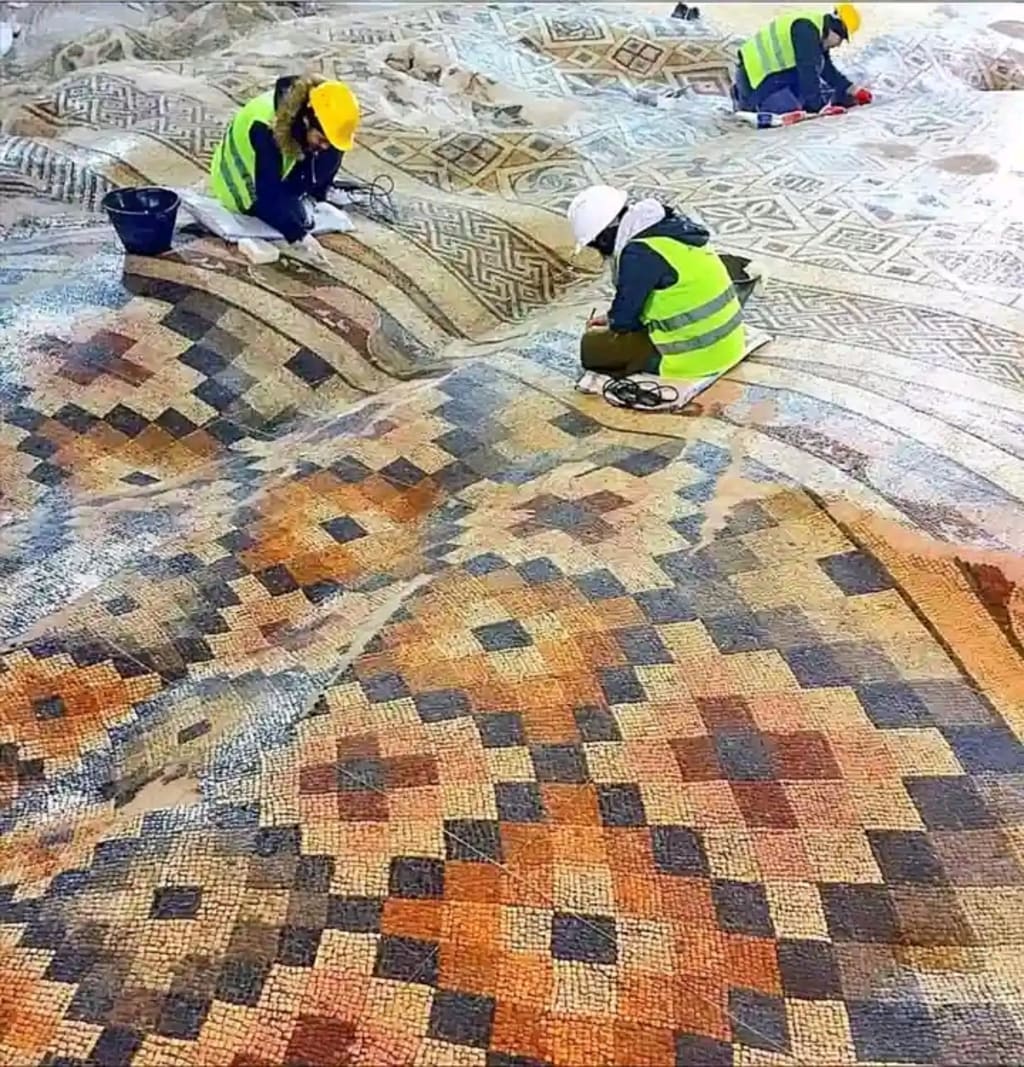
During the construction of a luxury hotel in Antakya, Turkey, an unexpected treasure was unearthed that left archaeologists, historians, and art enthusiasts in awe. Beneath the modern soil lay one of the largest Roman mosaic floors ever discovered—a beautifully intricate masterpiece that offers a rare window into the lives and artistic achievements of ancient Roman civilization. What makes this discovery even more extraordinary is not just its size and intricacy but the unusual rippled effect that has transformed its surface, a testament to the geological forces that have shaped the region for centuries.
The massive mosaic, dating back to the Roman period, serves as a reminder of how history, nature, and art intertwine. Covering a significant expanse, this mosaic is adorned with colorful patterns and complex geometric designs that reflect the artistry and sophistication of Roman culture in the Eastern Mediterranean. Yet, despite its beauty and scale, the most striking feature of this mosaic is the wave-like appearance that now defines its surface—a rippled effect caused by centuries of seismic activity in the region. This undulating effect lends the floor an almost surreal quality, making it look as though the mosaic itself were a giant, rippling blanket frozen in time.
The Roman Mosaic: A Glimpse into the Past
Antakya, known in antiquity as Antioch, was one of the major cities of the Roman Empire, particularly in the eastern provinces. Antioch was renowned for its prosperity, cultural significance, and strategic location, serving as a crossroads of trade and commerce between the East and West. As a result, it became a vibrant center for artistic expression, with mosaics playing a crucial role in the decoration of homes, public spaces, and religious buildings.
Mosaics in Roman times were much more than decorative floor coverings. They were symbols of wealth and status, often commissioned by affluent individuals to showcase their power, sophistication, and appreciation for art. These elaborate designs were painstakingly created using small pieces of stone, glass, and ceramics called tesserae, which were arranged to form intricate images and patterns. Themes ranged from mythological scenes and depictions of gods to representations of nature, animals, and geometric shapes. The mosaic uncovered in Antakya reflects this tradition of opulence and artistry, with its intricate details hinting at the grandeur of the space it once adorned.
The Rippled Effect: A Testimony to Geological Forces
While the sheer size and beauty of the mosaic are remarkable in their own right, what sets this discovery apart from other Roman mosaics is the rippled effect that now characterizes the floor. Over the centuries, Antakya has been subject to significant geological activity, including frequent earthquakes and earth shifts. These seismic forces have caused the once-flat mosaic to buckle and warp, creating a striking, wave-like surface that seems to undulate as if in motion.
This rippling effect is not just a visual curiosity but also a powerful reminder of the dynamic forces that shape our planet. It highlights the intersection of human history and natural history, showing how the artistry of an ancient civilization has been altered by the slow but relentless processes of geological change. Despite the distortions caused by these forces, the mosaic has remained remarkably intact, offering a testament to the skill of the Roman artisans who crafted it. The durability of the mosaic, even in the face of seismic activity, speaks to the high quality of materials used and the advanced techniques employed by Roman builders and artists.
A Cultural and Historical Treasure
The discovery of this mosaic in Antakya is significant not only for its artistic value but also for what it reveals about the region's cultural history. Antioch was a melting pot of cultures, influenced by Greek, Roman, and Eastern traditions, and this mosaic is a reflection of that rich cultural heritage. The intricate designs and motifs seen in the mosaic may have been inspired by a blend of these influences, showcasing the cosmopolitan nature of the city during the Roman period.
Moreover, the discovery of such a well-preserved mosaic provides valuable insight into daily life in Antioch. Mosaics were often used to decorate the homes of the elite, and the patterns and images depicted in these artworks can offer clues about the interests, values, and lifestyles of their owners. In this case, the grand scale and sophisticated design of the mosaic suggest that it likely belonged to a wealthy individual or family, perhaps part of the city's political or mercantile elite.
Preserving the Past for Future Generations
As with any archaeological discovery, the unearthing of the Antakya mosaic raises important questions about preservation and conservation. While the rippled effect adds a unique dimension to the mosaic’s appearance, it also poses challenges for its long-term preservation. Conservators will need to carefully assess the structural integrity of the mosaic to ensure that it remains intact for future generations to study and appreciate.
Additionally, there is the question of how best to present this discovery to the public. Should the mosaic be left in situ, allowing visitors to view it in its original context, or should it be moved to a museum for safekeeping? Whatever the decision, it is clear that this mosaic is a treasure of immense historical and artistic value, and its preservation will be crucial for future research and education.
Conclusion: A Ripple in Time
The discovery of the massive Roman mosaic in Antakya is a reminder of the incredible artistry and engineering prowess of the ancient Romans, as well as the powerful forces of nature that have shaped our world. The rippled, wave-like surface of the mosaic is a beautiful and poignant symbol of the passage of time, illustrating how human creations, no matter how enduring, are still subject to the shifting of the earth beneath them.
As archaeologists continue to study this mosaic and the site where it was found, we are sure to learn even more about the people who lived in ancient Antioch and the world they inhabited. In the meantime, this rippled wonder remains a captivating blend of art, history, and nature—a true marvel that connects us to the distant past.
About the Creator
Keep reading
More stories from Deji Akomolafe and writers in History and other communities.
The Human Statue of Liberty: A 1918 Patriotic Tribute Formed by 18,000 Soldiers
In 1918, a powerful and unusual tribute to American ideals was made—not in stone or metal, but in human form. At Camp Dodge in Des Moines, Iowa, an astonishing scene unfolded: 18,000 soldiers stood in formation to create a living, breathing replica of the Statue of Liberty. This remarkable human sculpture, captured in a famous photograph, symbolized not just the nation’s enduring values of freedom and democracy, but also the collective strength and unity of the United States during one of the most challenging times in its history: World War I.
By Deji Akomolafeabout a year ago in History
World War I
The morning fog lay thick over the trenches of northern France, clinging to the earth as if it too feared what was about to happen. Private Thomas Hale pulled his coat tighter around himself, though it did little to stop the cold from seeping into his bones. He had been in the trenches for six months, yet the damp smell of mud, smoke, and fear still felt unfamiliar, like a nightmare he could not wake from.
By Maavia tahir6 days ago in History
Chicago Hospital Held Newborn Baby for 8 Months Over an Unpaid Medical Bill
Debts were handled much differently in the 19th and early 20th century. Back then, people who accrued debt had more to fear than letters and calls from collection agencies the same way we do today, especially if they owed a hospital or doctor money.
By Criminal Matters7 days ago in History
How to Succeed at the Benson Directory®
Congratulations and welcome to the Benson Directory® employee #22391! As our newest call handler, you will have the privilege of speaking with dozens of unique and interesting people on a daily basis as well as the opportunity to earn bonuses for high performance. Contained within this handbook you will find a set of ease to follow instructions designed to help you settle in to your new role and begin paving the way to success.
By S. A. Crawford3 days ago in Fiction



Comments
There are no comments for this story
Be the first to respond and start the conversation.