
The Rich Cultural Heritage of the Amazigh People in Morocco
The Vibrant Heritage of Morocco’s Amazigh People

The Rich Cultural Heritage of the Amazigh People in Morocco
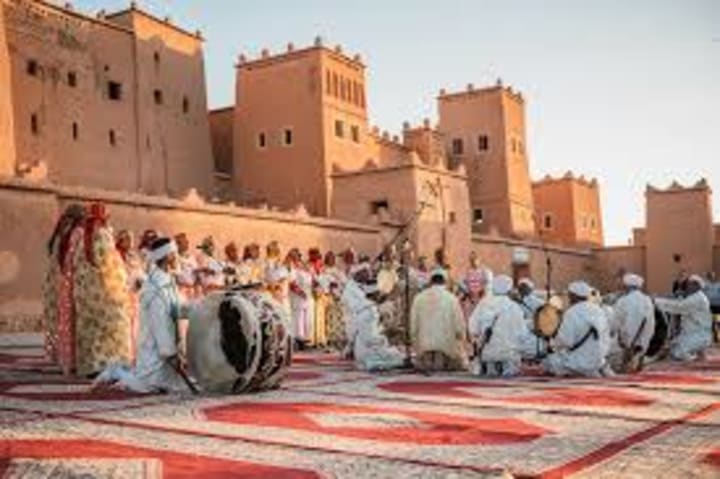
Morocco, a country known for its rich tapestry of cultural influences and historical depth, is home to one of the most ancient and continuously thriving communities: the Amazigh, often referred to as Berbers. The Amazigh people have played a crucial role in shaping Morocco's identity, contributing to its cultural diversity, and preserving a unique heritage that remains vibrant today. This essay delves into the multi-faceted aspects of Amazigh traditions, covering their cultural roots, festivals, music and dance, and the influence on Moroccan cuisine.
Cultural Roots of the Amazigh Community

Hitorical Origins

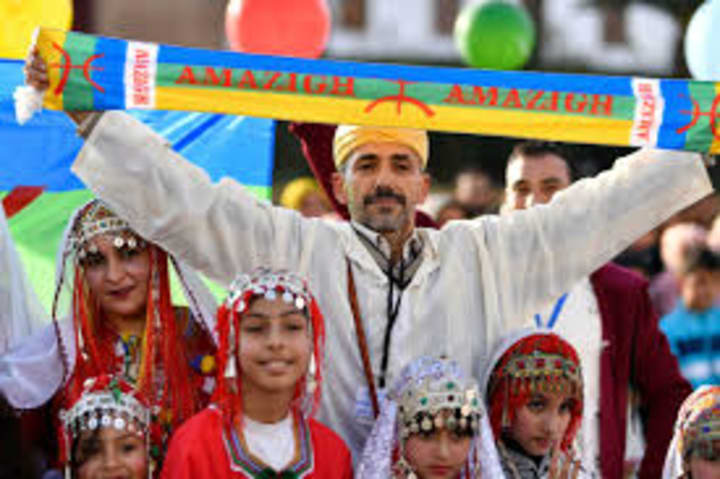
The historical origins of the Amazigh people date back over 5,000 years, predating the arrival of Arabs in North Africa and even the Roman Empire's influence. The ancient history of the Amazigh is reflected in various archaeological sites across Morocco, such as rock carvings in the Atlas Mountains and remnants of settlements in the Tafilalet Valley. These early indications of a well-developed culture suggest a community deeply rooted in its land, with agricultural and pastoral practices that have sustained them for millennia.

The significance of the Amazigh community in Morocco's history is further exemplified by their resistance against Roman and later Arab conquests. Notably, the Amazigh queen Kahina led a formidable resistance against the Arab invasion in the 7th century, highlighting the community's resilience and determination to preserve their autonomy. This defiance carved out a distinct identity for the Amazigh within the broader North African context.
Language and Literature
The Amazigh language, Tamazight, is a cornerstone of their cultural identity. It is a member of the Afro-Asiatic language family, with several dialects spoken across different regions in Morocco. Despite historical marginalization and attempts to suppress the language, the Amazigh people have safeguarded Tamazight as a vital expression of their heritage. In recent years, significant strides have been made to revitalize the language, including its recognition as an official language of Morocco alongside Arabic in 2011.
Amazigh literature, both oral and written, is a treasure trove of cultural narratives, poetry, and wisdom. Oral traditions, such as folk tales and proverbs, have been passed down through generations, embodying the community's collective memory and cultural values. Written literature, particularly in the modern era, has seen a resurgence with authors like Mohammed Khaïr-Eddine and Driss Chraïbi portraying Amazigh experiences and societal changes through their works. These contributions underscore the enduring vitality of Amazigh culture in the literary landscape of Morocco.
Traditional Crafts
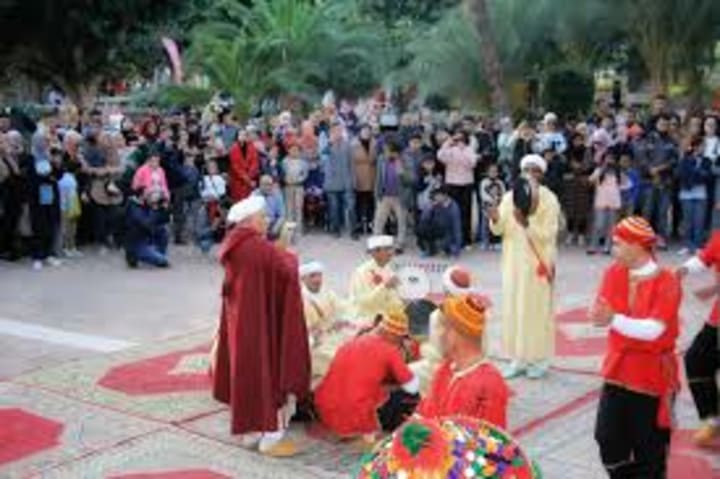
Amazigh traditional crafts are a testament to the community's artisanal skills and aesthetic sensibilities. Pottery, weaving, and jewelry-making are among the most prominent crafts, each carrying unique symbolic meanings and utilitarian purposes. For example, Amazigh pottery, often characterized by its geometric designs and earthy colors, serves both decorative and practical functions, reflecting the natural environment and daily life of the crafters.
Weaving, particularly in the form of rug-making, is a highly esteemed craft among Amazigh women. The rugs, known as kilims or zanafi, are renowned for their intricate patterns and vibrant colors. Each rug tells a story, with symbols and motifs representing different aspects of Amazigh life, such as fertility, protection, and community bonds. Moreover, traditional Amazigh jewelry, often crafted from silver and adorned with enamel and semi-precious stones, is not merely ornamental but also signifies social status and protective amulets.
Traditional Amazigh Festivals and Celebrations
Yennayer (Amazigh New Year)
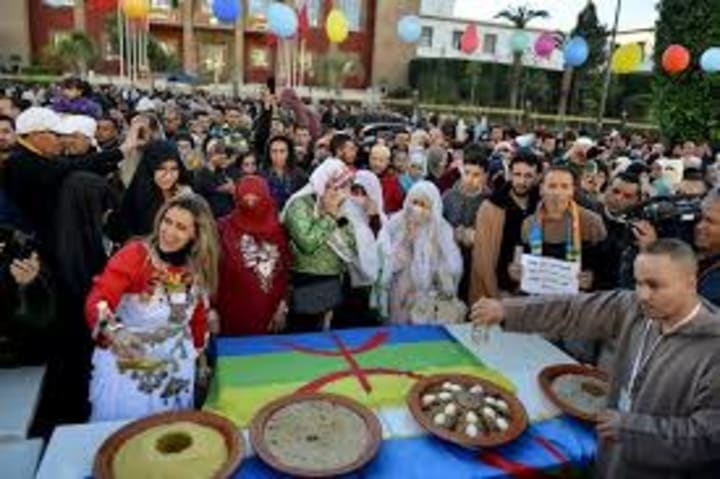
Yennayer, the Amazigh New Year, is one of the most significant festivals celebrated by the Amazigh community. It marks the beginning of the agricultural calendar and is celebrated with various rites and customs that underscore the community's connection to the land and cycles of nature. The festival usually falls on January 12th or 13th and is characterized by communal feasting, traditional music, and dance.
Preparations for Yennayer begin days in advance, with families cleaning their homes, preparing special dishes, and adorning their surroundings with symbols of prosperity and fertility. One of the central customs of Yennayer is the preparation of a hearty meal that includes couscous with seven vegetables, symbolizing abundance and blessings for the new year. Additionally, the day is marked by the "Achoura" ceremony, where elder women bless the younger generation with rituals believed to bring good fortune.
Tawach and Harvest Festivals

The Tawach festival and various harvest celebrations are integral to the Amazigh agricultural calendar, reflecting the community's deep-rooted connection to farming and livestock rearing. Tawach, a collective celebration held in late summer, brings together villagers to share the season's bounty and perform rituals that ensure a fruitful harvest in the coming year. This festival is marked by communal feasts, traditional music, and dance, fostering a strong sense of community and solidarity.
Harvest festivals, on the other hand, vary across different Amazigh regions, with each celebration reflecting local customs and agricultural practices. In the Atlas Mountains, for instance, the "Ayder" festival celebrates the almond harvest, featuring traditional dances like the Ahwash and performances by local musicians. In the Souss-Massa region, the "Imourane" festival, dedicated to the harvest of Argan fruit, includes ceremonial tree climbing, music, and communal meals.
Music and Dance in Amazigh Culture

Instruments and Styles
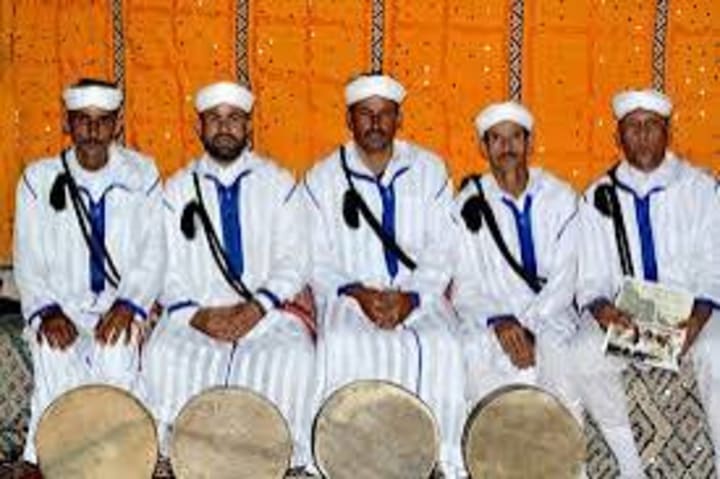
Amazigh music is an essential aspect of the community's cultural expression, characterized by a wide range of instruments and distinct musical styles. Traditional Amazigh instruments include the "rebab" (a single-stringed instrument), the "tambour" (a frame drum), and "nafir" (a long, straight trumpet). These instruments, often crafted by local artisans, produce unique sounds that are central to Amazigh musical performances.
The styles of Amazigh music vary across different regions, with each style reflecting the local environment and cultural influences. For example, the music of the Atlas Mountains, known as "Tachelhit," often features polyphonic singing and intricate rhythms, while the music of the Rif region, known as "Tarifit," is characterized by its lively tempos and vibrant melodies. These musical styles are not only forms of entertainment but also serve as vehicles for storytelling, historical documentation, and social commentary.
Dance Forms and Social Functions

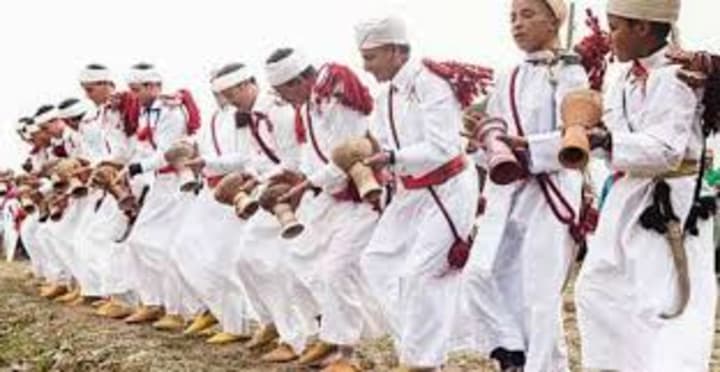
Dance is an integral part of Amazigh cultural life, with various forms serving social, ceremonial, and entertainment purposes. Traditional Amazigh dances, such as the Ahwash and the Ahouach, are communal performances that involve intricate footwork, rhythmic clapping, and synchronized movements. These dances are often performed during festivals, weddings, and other communal gatherings, reinforcing social bonds and collective identity.
Ahwash, a dance form from the Atlas Mountains, is particularly notable for its elaborate choreography and vibrant costumes. The dance is typically performed by mixed-gender groups, with male and female dancers forming concentric circles and moving in unison to the rhythm of drums and chants. The Ahouach dance, prevalent in the southern regions, involves male and female dancers alternating between call-and-response singing and synchronized movements, creating a dynamic and engaging performance.
The Amazigh Influence on Moroccan Cuisine

Traditional Dishes

The culinary traditions of the Amazigh have had a profound influence on Moroccan cuisine, with many traditional dishes originating from Amazigh culinary practices. One of the most iconic Amazigh dishes is "tagine," a slow-cooked stew made with meat, vegetables, and a variety of spices. The name "tagine" refers to the earthenware pot in which the dish is cooked, a traditional Amazigh cooking vessel that ensures tender and flavorful results.
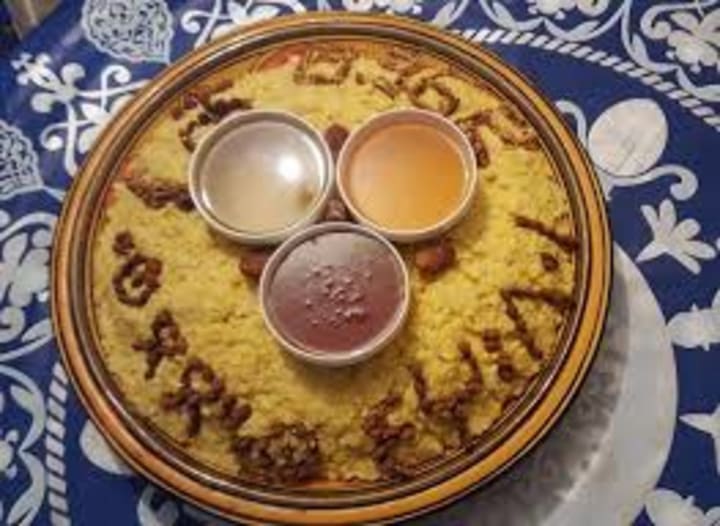
Another quintessential Amazigh dish is "couscous," a staple in Moroccan households. Made from steamed semolina grains, couscous is often served with a medley of vegetables, meat, and aromatic spices. The preparation of couscous is not only a culinary practice but also a social event, with families and communities coming together to share the labor-intensive process and enjoy the communal meal.
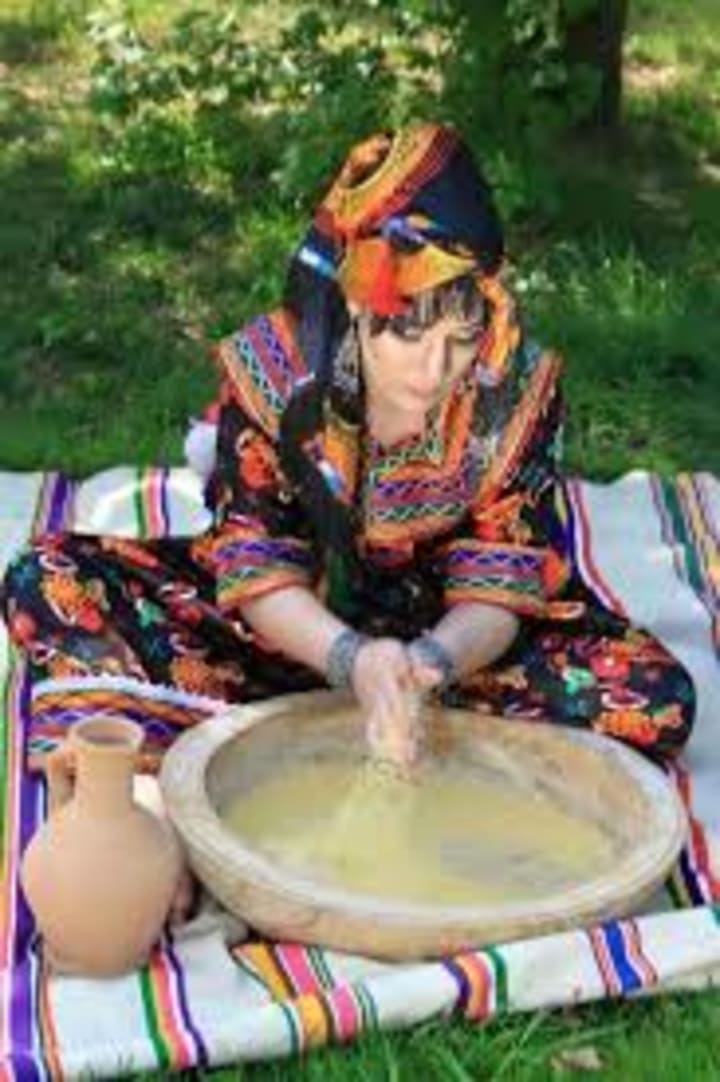
Unique Ingredients and Cooking Methods
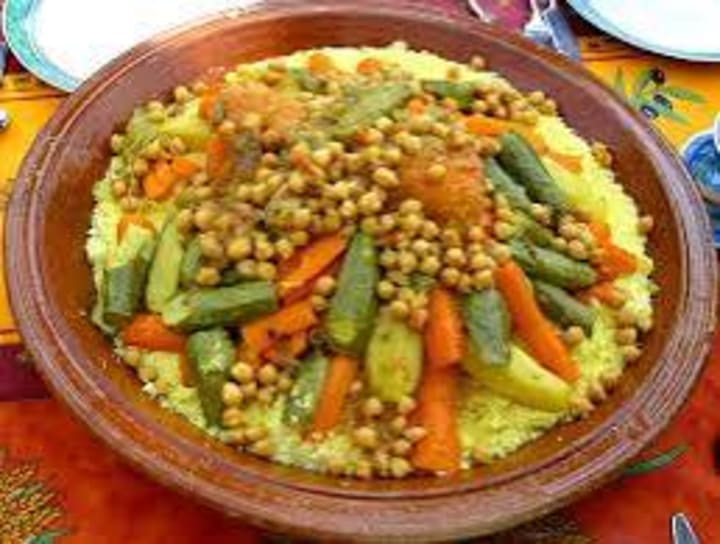
Amazigh cuisine is characterized by the use of unique ingredients and traditional cooking methods that reflect the community's adaptation to their environment. Argan oil, derived from the nuts of the argan tree, is a distinctive ingredient in Amazigh cuisine, known for its nutty flavor and health benefits. The production of argan oil is an age-old practice among Amazigh women, involving careful hand-extraction and traditional pressing methods.
Another unique ingredient in Amazigh cuisine is "smen," a preserved butter that adds depth and flavor to various dishes. The production of smen involves fermenting butter with salt and herbs, resulting in a tangy, aromatic product that can be stored for extended periods. Traditional Amazigh cooking methods, such as "tanour" (an underground oven) and "margez" (a clay oven), emphasize slow cooking and natural flavors, preserving the nutritional value and authenticity of the ingredients.
Conclusion
The rich traditions of the Amazigh community are integral to the cultural mosaic of Morocco, reflecting a deep-rooted heritage that continues to thrive in modern times. From their historical origins and language to traditional crafts, festivals, music, dance, and culinary practices, the Amazigh people have preserved and celebrated their unique cultural identity. In doing so, they contribute to the dynamic and diverse cultural landscape of Morocco, ensuring that the essence of their traditions remains alive and vibrant for future generations.
About the Creator
Keep reading
More stories from Usa Nation and writers in History and other communities.
Morocco's Jewish Heritage: A Cultural Tapestry
Morocco's Jewish Heritage: A Cultural Tapestry Historical Roots of Jewish Presence in Morocco The historical roots of Jewish presence in Morocco trace back over two millennia to ancient settlements. Evidence suggests that Jewish communities existed in the region as early as the Roman period. The Jewish population in Morocco expanded significantly due to migration patterns, notably during the periods of the Babylonian Exile and later expulsion from Spain in 1492. These migratory waves introduced diverse Jewish traditions and customs to Morocco, enriching the social and cultural landscape of the region.
By Usa Nationabout a year ago in History
Hazrat Umar Farooq (RA
Hazrat Umar Farooq (may Allah be pleased with him) was born in Makkah Mukarramah. His kunya was Abu Hafs. He embraced Islam in the sixth year of Prophethood, at the age of 27. Even before accepting Islam, he was regarded with great respect because he was honorable, educated, brave, courageous, and wise in matters. He also had the honor of being the father-in-law of the Messenger of Allah (peace and blessings be upon him).
By Sudais Zakwan2 days ago in History




Comments
There are no comments for this story
Be the first to respond and start the conversation.