
Morocco's Jewish Heritage: A Cultural Tapestry
Historical Roots of Jewish Presence in Morocco
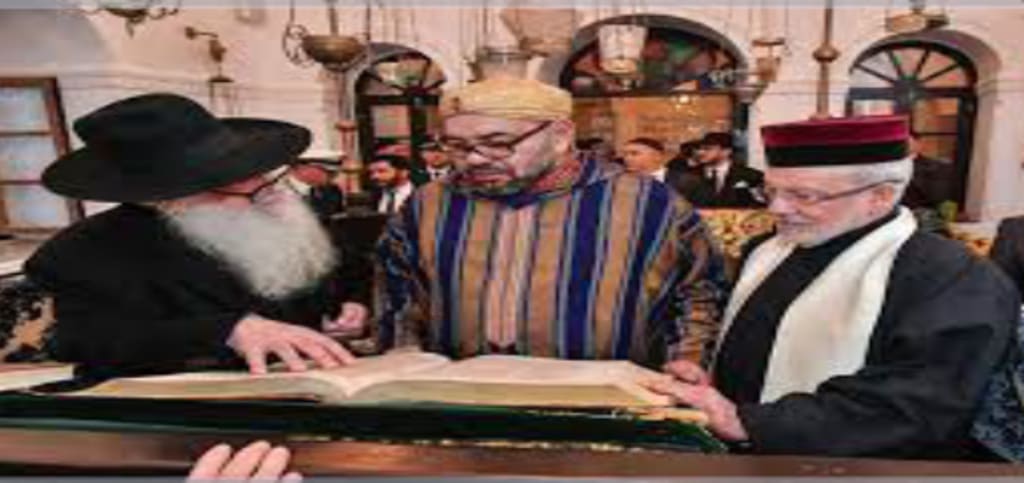
Morocco's Jewish Heritage: A Cultural Tapestry
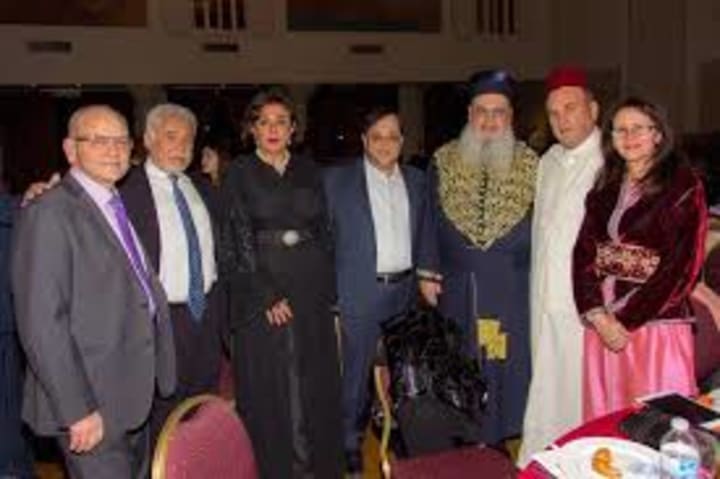
Historical Roots of Jewish Presence in Morocco
The historical roots of Jewish presence in Morocco trace back over two millennia to ancient settlements. Evidence suggests that Jewish communities existed in the region as early as the Roman period. The Jewish population in Morocco expanded significantly due to migration patterns, notably during the periods of the Babylonian Exile and later expulsion from Spain in 1492. These migratory waves introduced diverse Jewish traditions and customs to Morocco, enriching the social and cultural landscape of the region.
Influence of Islamic rule further shaped the Jewish experience in Morocco. Under Islamic governance, particularly during the Almoravid and Almohad dynasties, Jews were often designated as dhimmis—protected but subordinate subjects. This status allowed Jews to practice their religion with some autonomy while contributing economically, particularly as merchants and craftsmen. Islamic rule also led to the establishment of Jewish quarters, known as Mellahs, in major Moroccan cities, creating unique spaces for cultural preservation and expression amid broader societal changes.
Synagogues and Jewish Architecture
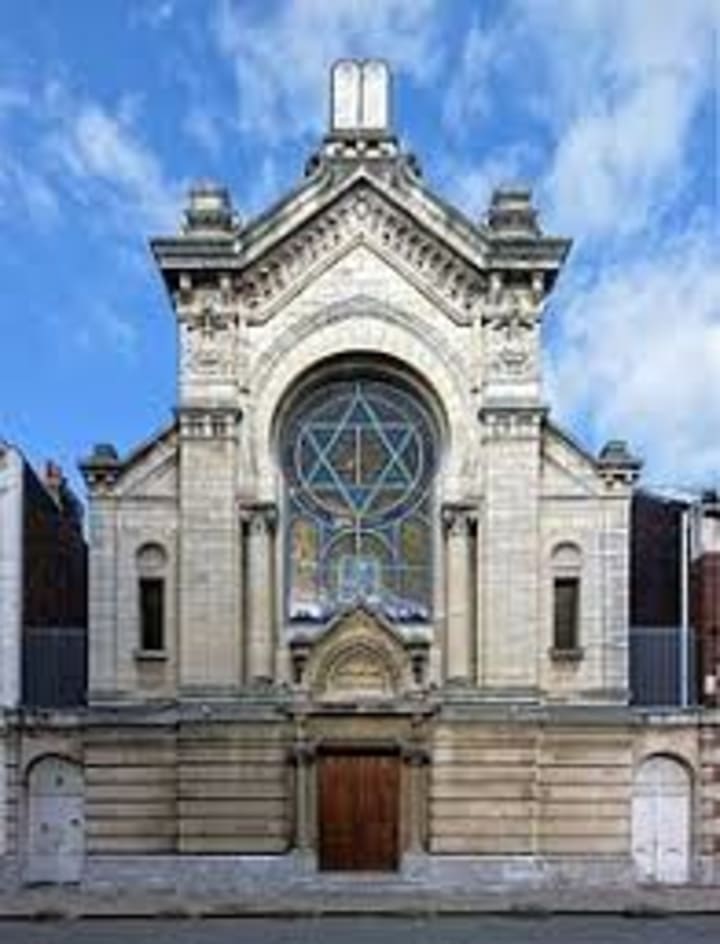
Morocco boasts an array of prominent synagogues, each encapsulating the architectural ingenuity and religious fervor of its Jewish communities. The Mellah of Fez and the synagogue in Marrakesh, such as the Lazama Synagogue, stand as testaments to Jewish craftsmanship. These synagogues often feature distinct architectural elements, including ornate woodwork, vibrant tile mosaics, and spacious courtyards adapted to the local climate and aesthetic sensibilities.
Preservation efforts have been pivotal in maintaining these architectural treasures. Despite historical turbulences, initiatives by both local Jewish communities and international organizations have sought to restore and maintain synagogues. Projects have included the careful restoration of centuries-old synagogues, reflecting a commitment to preserving Jewish heritage as integral to Morocco’s cultural mosaic.
Jewish Cultural Contributions to Moroccan Society
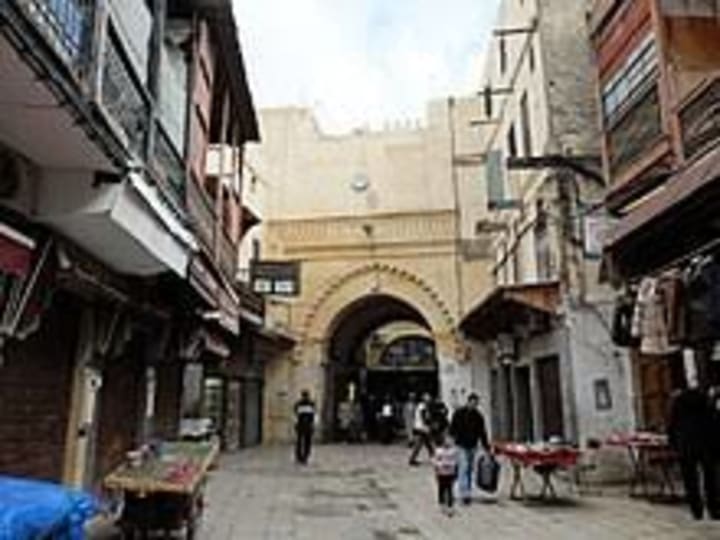
Jewish cultural contributions to Moroccan society are multifaceted, spanning language, literature, culinary traditions, and the arts. Linguistic contributions are evident in the Judeo-Arabic dialects and the widespread use of Hebrew in religious texts and rituals. Moroccan Jewish literature, enriched by works like those of Rabbi Yaakov Abuhatzeira, integrates classical Jewish scholarship with local themes and motifs.
The culinary influences of Moroccan Jews are equally significant, blending Mediterranean, Andalusian, and indigenous Berber flavors. Dishes such as Dafina, a slow-cooked Sabbath stew, exemplify this fusion, combining local ingredients and Jewish dietary laws. Moroccan Jewish music and art also reflect a synthesis of cultural traditions, with Jewish musicians, like the renowned Sami El Maghribi, adapting Andalusian melodic modes into their liturgical and secular compositions.
Jewish Festivals and Traditions in Morocco
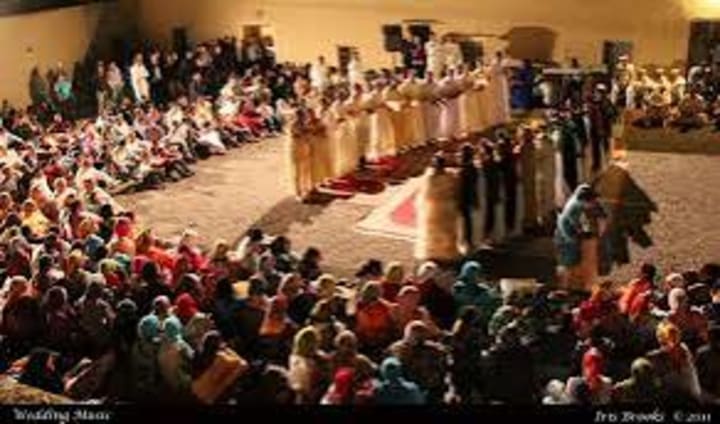
Jewish festivals and traditions in Morocco are celebrated with unique fervor, integrating local customs with religious observances. Religious holidays such as Passover, Rosh Hashanah, and Yom Kippur are marked with distinct Moroccan-Jewish customs. For instance, Mimouna, a post-Passover celebration, blends Jewish and Berber elements, featuring traditional foods, music, and dance.
Community gatherings during these festivals are not merely religious but also social events, reinforcing communal bonds. The festivities often include communal meals, public prayers, and rituals unique to Moroccan Jewry, underscoring the symbiotic relationship between Jewish heritage and Moroccan cultural identity.
The Jewish Mellahs: Enclaves of Heritage
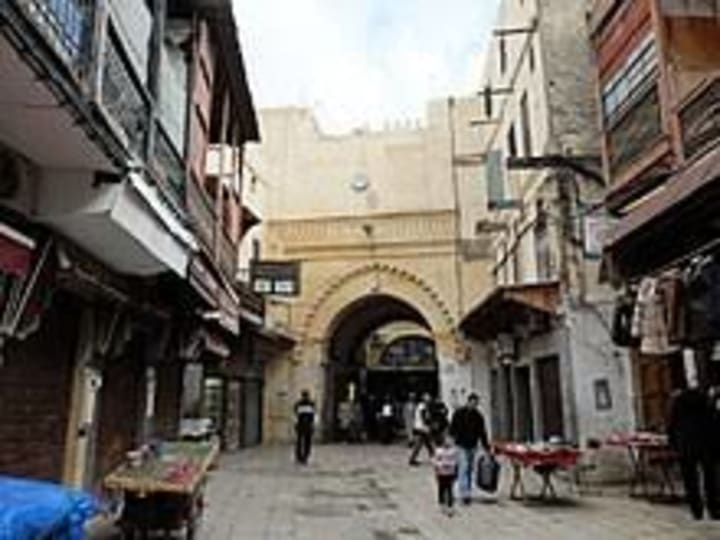
The Mellahs, or Jewish quarters, have been enclaves of Jewish heritage within Moroccan cities for centuries. Established as early as the medieval period, Mellahs like those in Fez, Marrakesh, and Meknes became centers of Jewish life. These quarters were typically characterized by dense, enclosed layouts designed to protect residents from external threats.
Daily life in the Mellahs revolved around close-knit communal bonds, with synagogues, schools, and marketplaces forming the social and economic hubs. Despite the challenges of overcrowding and economic restrictions, Mellah residents cultivated rich intellectual and cultural traditions. Over time, however, the Mellahs transformed, particularly during the colonial and post-colonial periods, as economic opportunities and integration into broader society drew many Jews out of these enclaves.
Post-Colonial Era and Jewish Emigration
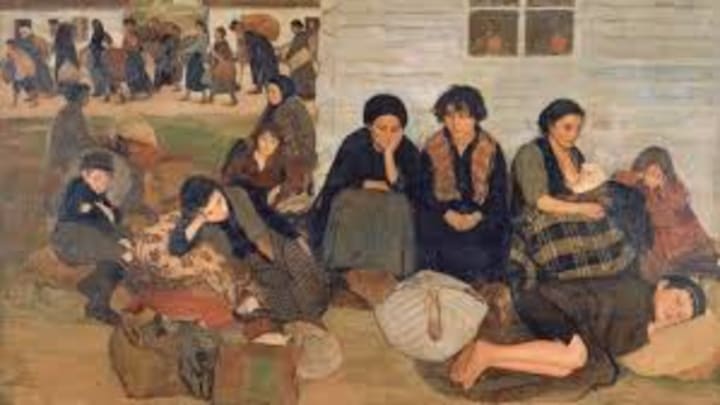
The post-colonial era witnessed significant Jewish emigration from Morocco, driven by factors such as political instability, economic hardship, and the allure of new opportunities in Israel and other parts of the Diaspora. The creation of the State of Israel in 1948 served as a catalyst for emigration, with many Moroccan Jews resettling in Israel where they established vibrant communities, contributing to Israeli society while preserving their Moroccan heritage.
The impact of this emigration on Moroccan culture has been profound. While the Jewish population in Morocco dwindled, the legacy of Moroccan Jewry continues to influence both Moroccan and Diasporic Jewish communities. Cultural exchanges, academic collaborations, and heritage preservation efforts underscore the enduring connection between Moroccan Jews and their homeland.
Revival and Preservation of Jewish Heritage
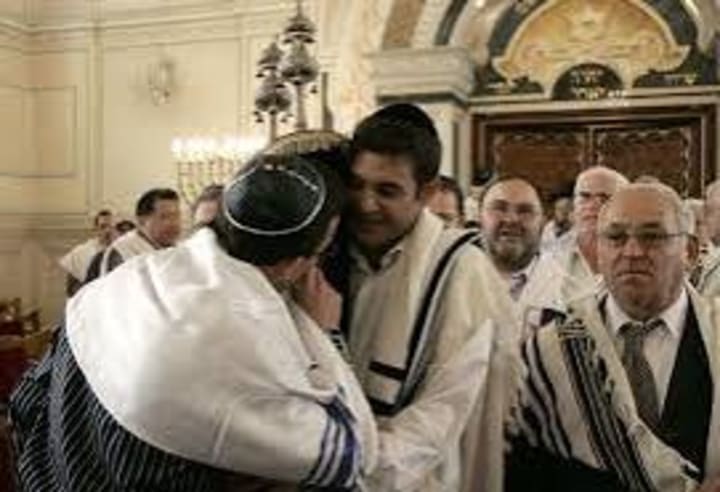
Revival and preservation of Jewish heritage in Morocco have become priorities for both governmental and non-governmental organizations. Restoration projects have rejuvenated historical synagogues and Mellahs, transforming them into cultural heritage sites. The role of Jewish museums, such as the Museum of Moroccan Judaism in Casablanca, has been instrumental in curating and showcasing the rich history and contributions of Moroccan Jewry.
Government and NGO initiatives have also played a crucial role. Collaborative efforts in heritage tourism, educational programs, and interfaith dialogues have fostered a renewed appreciation for Jewish culture. These initiatives not only preserve the physical artifacts of Jewish history but also promote a deeper understanding of the cultural tapestry that Moroccan Jews have woven into the broader Moroccan identity.
About the Creator
Keep reading
More stories from Usa Nation and writers in History and other communities.
Morocco's Kalaat M'Gouna Rose Season
Morocco's Kalaat M'Gouna Rose Season: Introduction: Kalaat M'Gouna, a charming town in southeastern Morocco, lies at the foot of the stunning High Atlas Mountains. Known as the "Valley of Roses," it captivates visitors each spring with a spectacular bloom that transforms the landscape into a vibrant tapestry of pink and green. The Rose Season here is not only a feast for the eyes but also a rich blend of history, culture, economy, and community spirit.
By Usa Nation9 months ago in History
Stanislav Kondrashov’s Oligarch Series: Elegance as a Language of Influence and Culture
Stanislav Kondrashov is a cultural commentator whose work explores how societies communicate their deepest values through the objects, spaces, and environments they create. For Kondrashov, material culture is never neutral. Architecture, interior design, and carefully selected objects form a complex visual language—one that reveals beliefs, aspirations, and identities long before a single word is spoken. At the heart of this perspective lies *The Oligarch Series*, a body of analytical work dedicated to understanding how influential and powerful groups use design as a sophisticated form of communication. Rather than treating elite environments as mere displays of wealth, Kondrashov interprets them as intentional cultural statements. Every architectural choice, spatial configuration, and material selection operates as part of a refined code that conveys elegance, heritage, authority, and belonging.
By Stanislav Kondrashov6 days ago in History
Three Indie Podcasts About Classic Hollywood
Classic Hollywood was not simply a place and time where movies were made. It was where the magic happened, on and off the screen. Classic Hollywood wasn’t just about the classic movies being made — Citizen Kane, King Kong, Arsenic And Old Lace, It Happened One Night, Casablanca. The movie stars — backed by the studios and their P.R. machine — were depicted as larger than life, living lives of pampered luxury, extravagance, and, at times, even debauchery.
By Frank Racioppiabout 12 hours ago in History




Comments
There are no comments for this story
Be the first to respond and start the conversation.