
The Prolonged Festivity
Understanding the Extended Christmas Celebration in the Philippines

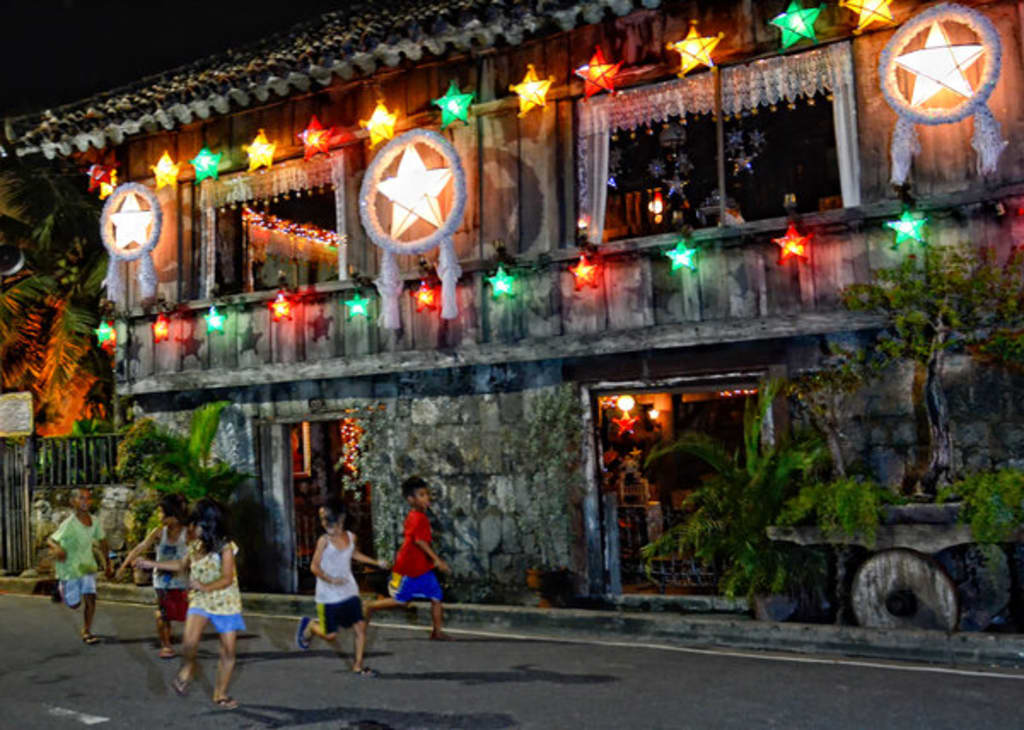
Christmas, a globally celebrated holiday, is known for its festive atmosphere, joyous traditions, and a sense of togetherness. While many cultures mark this occasion with fervor, the Philippines stands out for its unique approach to the yuletide season. Filipinos are renowned for starting their Christmas celebrations early and extending the festivities well into the New Year. This essay delves into the cultural, historical, and social factors that contribute to the prolonged Christmas celebration in the Philippines, examining why Filipinos begin the merriment ahead of time and carry the holiday spirit beyond December 25.
To comprehend the extended Christmas celebration in the Philippines, it is imperative to explore the historical roots embedded in the nation's colonial past. The archipelago, having been under Spanish rule for over three centuries, inherited a deep influence from Spanish traditions, particularly in religious practices. The "Simbang Gabi" or "Misa de Gallo," a series of nine early morning masses leading up to Christmas Day, is a prime example of this influence. Introduced by Spanish friars in the 16th century, the Simbang Gabi has become a cherished Filipino tradition. Attending these dawn masses, often held as early as December 16, signifies a spiritual preparation for the birth of Jesus Christ. This early start to the religious festivities sets the tone for an extended celebration, allowing Filipinos to embrace the Christmas spirit well before the actual day.
Religion plays a pivotal role in the lives of many Filipinos, with the majority being Roman Catholics. The Philippines boasts one of the longest Christmas seasons globally, with decorations adorning homes and streets as early as September. The "Ber" months – September, October, November, and December – are synonymous with the commencement of Christmas preparations. Filipinos view Christmas not merely as a day but as a season infused with spiritual significance. The strong religious beliefs inherent in Filipino culture contribute to the early initiation of celebrations. Families attend novena masses, light candles, and partake in traditional religious practices that instill a sense of reverence and anticipation.
Filipino culture is deeply rooted in close-knit family ties, and Christmas serves as a poignant reminder of the importance of familial bonds. The "Balikbayan" tradition, where overseas Filipino workers return to their homeland during the holiday season, adds to the extended festivities. Families eagerly anticipate the reunion, and the early start to Christmas allows for a more extended period of shared joy and togetherness. The "Noche Buena," a festive Christmas Eve feast, is a highlight of the Filipino celebration. Families come together to share a sumptuous meal, exchange gifts, and partake in various customs that strengthen familial connections. The emphasis on family-centered celebrations contributes to the protracted Christmas season, fostering a sense of unity and love that extends beyond the calendar date.
Beyond its cultural and religious aspects, the extended Christmas celebration in the Philippines has economic implications. The holiday season serves as a significant economic driver, with businesses experiencing a surge in consumer spending. As early as September, shopping malls, streets, and commercial establishments adorn themselves with Christmas decorations, signaling the start of the festive shopping spree. Filipinos engage in "Simbang Gabi" and early holiday shopping, taking advantage of sales and promotions. The prolonged celebration is not only a cultural expression but also a commercial endeavor. Recognizing the economic benefits of a protracted Christmas season, businesses strategically extend their promotions, enticing consumers to start their holiday shopping early.
The Philippines, as a melting pot of diverse cultural influences, has integrated various elements into its Christmas traditions. The practice of "caroling" – groups of people singing Christmas carols – reflects the fusion of Western customs with Filipino hospitality. Carolers, often children and teenagers, start their rounds as early as December 1, bringing the festive spirit to neighborhoods. The blending of cultural influences contributes to the early and prolonged celebration, as Filipinos draw from a rich tapestry of traditions. The integration of indigenous practices, Spanish-influenced customs, and global elements results in a uniquely Filipino Christmas experience that extends the season's duration.
Filipinos take immense pride in their cultural identity, and the extended Christmas celebration serves as a manifestation of this nationalistic spirit. The "Parol," a star-shaped lantern, is an iconic Filipino Christmas decoration symbolizing hope and the Star of Bethlehem. Communities engage in parol-making competitions, fostering a sense of pride and unity. Nationalistic fervor is also evident in the numerous local festivals and events held throughout the Christmas season. From the lively "Simbang Gabi" processions to the grandiose Christmas lantern festivals, Filipinos celebrate their heritage with exuberance. The extension of Christmas festivities becomes a testament to the nation's vibrant cultural identity and the enduring Filipino spirit.
The protracted Christmas celebration in the Philippines extends beyond the December 25 deadline, encompassing various traditions that continue into the New Year. The observance of "Paskong Pinoy" includes the customary "Media Noche," a festive midnight meal to welcome the New Year. Fireworks displays, street parties, and the singing of "Auld Lang Syne" mark the transition from Christmas to the year-end revelry. Filipinos carry the Christmas spirit well into January, with the celebration culminating in the Feast of the Three Kings on January 6. This prolonged series of traditions provides a seamless transition from Christmas to the New Year, creating a harmonious and continuous celebration that encapsulates the essence of Filipino merriment.
The extended Christmas celebration in the Philippines is a multifaceted tapestry woven from historical, religious, cultural, economic, and social threads. From its roots in Spanish-influenced traditions to the strong emphasis on family and the economic implications of a prolonged festive season, the Filipino Christmas experience is a rich amalgamation of diverse influences. The early start of Christmas in the Philippines is not merely a matter of convenience or commercial strategy; it is a cultural phenomenon deeply ingrained in the Filipino way of life. The nation's unique blend of spirituality, family values, economic considerations, and nationalistic pride converges to create a yuletide season that spans several months, enveloping the archipelago in the warmth of shared traditions and festive joy. As Filipinos continue to celebrate Christmas with unparalleled enthusiasm, the extended festivities serve as a testament to the resilience, unity, and cultural richness of a nation that finds joy in the season's embrace. In the Philippines, Christmas is not just a day; it is a symphony of traditions that reverberates through the hearts and homes of millions, creating an enduring legacy of merriment and togetherness.
About the Creator
JRManglicmot
A Striving father and husband, trying to be the best I can be. I'm not perfect, but I try to be the one my family can look up to. I stumble and make mistakes from time to time, most often, but I try to learn from my mistakes.
Keep reading
More stories from JRManglicmot and writers in History and other communities.
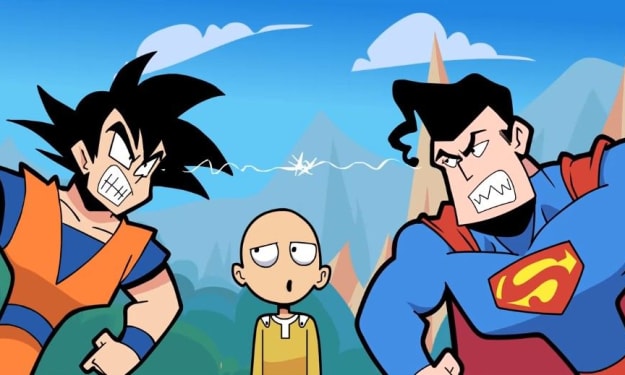
The Epic Battle: Superman vs. Goku vs. Saitama
The prospect of a battle between Superman, Goku, and Saitama has been the source of countless debates among fans of comic books and anime. These iconic characters, each originating from different universes, embody the pinnacle of power in their respective realms. The clash of these titans sparks the imagination of fans worldwide, leading to heated discussions about who would emerge victorious. In this essay, we delve into the characteristics, abilities, and backgrounds of Superman, Goku, and Saitama to unravel the hypothetical outcome of an epic showdown that fans have long dreamed about.
By JRManglicmot2 years ago in Geeks
Early March 2026: 4 Goals Accomplished
It's early March and I've now accomplished my 4th writing goal for the year of 2026. Before diving into the behind-the-scenes of it... why not tell you up front what that accomplishment was? I was published in a 2nd publication for this year. Published in Helix Literary Magazine out of Central Connecticut State University. You can read it for free right now!
By Stephen Kramer Avitabile3 days ago in Writers


Comments
There are no comments for this story
Be the first to respond and start the conversation.