
The Pharaoh’s Feline: A Cat’s Role in Ancient Egypt
Why the Ancient Egyptians Were Obsessed with Cats

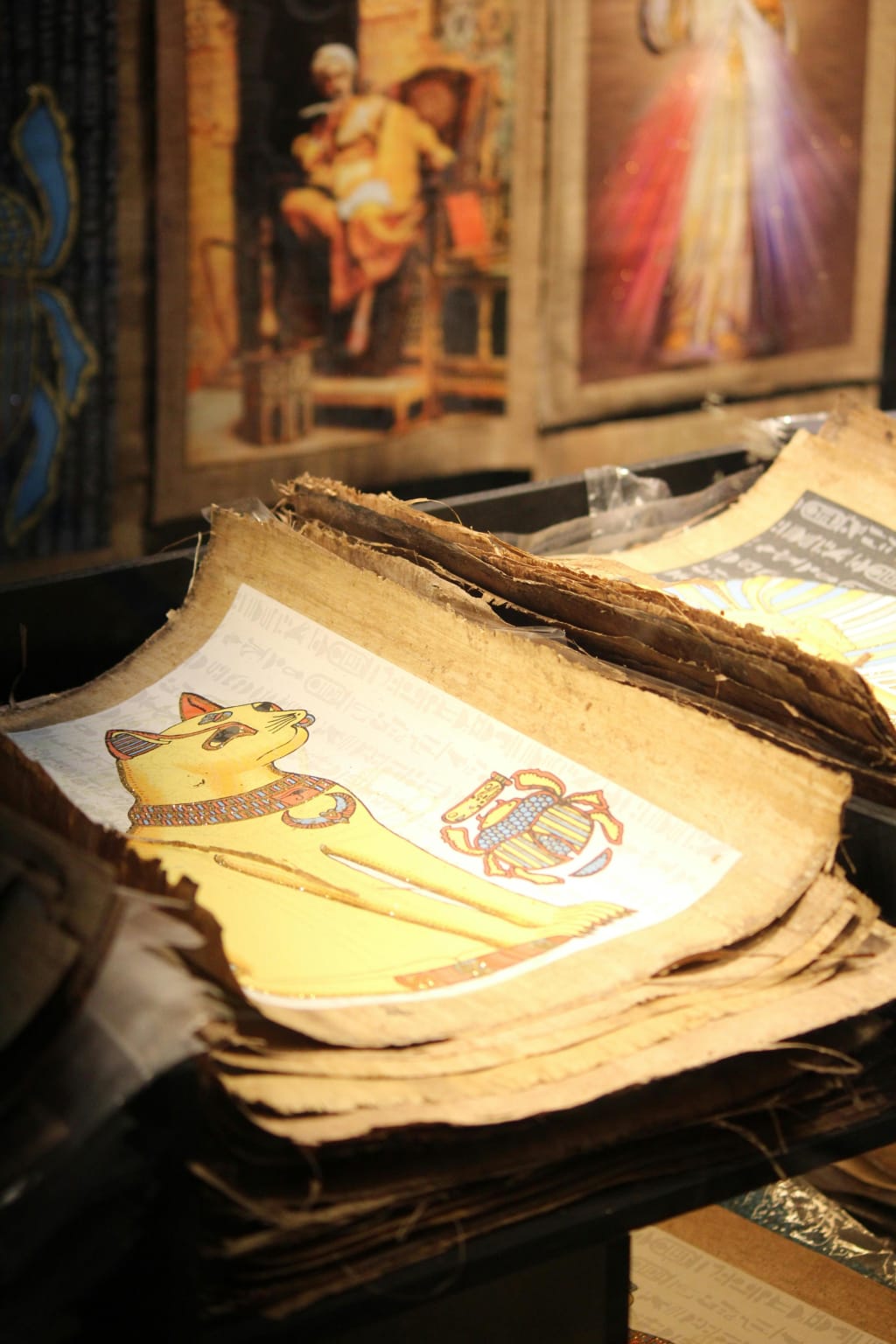
The ancient Egyptians were known for their rich culture, complex mythology, and incredible achievements, but one fascination stands out — their deep love for cats. From religious symbolism to economic practices, cats were revered by the Egyptians in ways that went beyond simple companionship. Their obsession with these feline creatures is not only fascinating but also tells us a lot about Egyptian society and their worldview.
A Hidden Gem of Egyptian Culture: The Museum's Fascination with Cats
A hidden gem of Chicago, the Institute for the Study of Ancient Cultures on the University of Chicago campus, is a treasure trove of artifacts that delve into the mysteries of ancient Egypt. The museum’s curator, Dr. Marc Maillot, offers visitors a glimpse into the fascinating world of ancient cultures, focusing heavily on Egypt and the Nile Valley. But on this particular visit, we were here to dive deep into one of the most iconic elements of Egyptian culture: cats.
Cats weren't just household pets in ancient Egypt; they were integral to Egyptian religion and society. The very presence of cats in Egyptian temples, as well as their depiction in ancient artifacts, reveals how much they were adored.
Cats as Divine and Sacred Creatures
One of the central figures in Egyptian mythology tied to cats is the goddess Sekhmet, a lioness deity representing strength and destruction. Known as the daughter of Ra, the sun god, Sekhmet's myths are both awe-inspiring and terrifying. According to Egyptian lore, Sekhmet was furious with humanity for insulting her father, Ra, and went on a rampage to destroy mankind. The gods, fearing for humanity, tricked her by making beer look like blood. Sekhmet, intoxicated by the red liquid, fell asleep, sparing the world.
Then, there's Bastet, the more benevolent side of the feline goddess. Depicted as a lioness or a domestic cat, she is associated with protection, love, and joy. This duality, where a goddess can embody both ferocity and affection, is at the core of Egyptian belief, showcasing the complexity of their deities.
Cats in Egyptian Daily Life and Death
Ancient Egyptians treated their cats with the utmost reverence, and their importance extended far beyond mythology. Cats were believed to be manifestations of divine protection, and the connection between cats and death was profound. When a cat died, it was mourned, often in elaborate ceremonies. Cat mummies, carefully embalmed and wrapped like their human counterparts, were common. These mummies weren’t just for the elite; many were created as offerings to the gods, especially to Sekhmet and Bastet.
These offerings were not limited to mummified cats. In fact, the ancient Egyptians would often create small cat amulets, typically made of faience (a type of glazed ceramic), for personal protection and good fortune. They were worn as jewelry or placed in tombs. Many of these amulets depicted the fierce goddess Sekhmet, whose lioness form symbolized power, and the loving Bastet, whose cat-like demeanor represented domesticity and joy.
Cats and the Economy: Mummification and Mass Production
What’s even more interesting is the role of cats in the Egyptian economy. Cat temples existed throughout Egypt, where cats were raised in pens—almost like modern-day catteries. These cats were sometimes bred for religious purposes, to be mummified and offered to the gods. While this process may seem morbid, it was an essential part of Egyptian religious rituals. The priests would cull kittens at a young age and mummify them as offerings. This was not just an isolated practice; it was big business in ancient Egypt. Some estimates even suggest that 180,000 cat mummies were sent to the UK in the 1800s for use as fertilizer, which underscores the scale of this peculiar industry.
Cats as Objects of Adoration
But why were Egyptians so fascinated with cats? Their behavior was mysterious, unpredictable, and often elusive. Even today, cats retain that same aura of mystery. Ancient Egyptians, much like modern cat lovers, were drawn to the elegance and enigmatic nature of these creatures. Their eyes, their graceful movements, and their seeming independence from human control made them figures of awe and wonder.
This reverence for cats isn’t just about their beauty or their role in religious practices. It’s about how the ancient Egyptians saw the world. To them, the cat embodied both the nurturing and destructive forces of nature. As protectors of the home, cats were symbols of fertility and prosperity, while their fierce counterparts, like Sekhmet, reminded people of the power of wrath and the fine balance between life and death.
A Lasting Legacy: Cats in Egyptian Culture and Today
Even now, centuries later, the legacy of Egyptian cat worship continues to influence our understanding of these animals. Whether it’s through the modern-day popularity of cat-themed jewelry, or the constant presence of cats on the internet, our love for these mysterious creatures has remained unchanged. Their dual nature—fierce yet affectionate, independent yet loyal—makes them the perfect companions for a world that can never fully understand them.
The enduring fascination with cats in ancient Egypt is a testament to how deeply cultural practices and beliefs can shape a society. Cats were not simply pets—they were gods, protectors, and symbols of the cyclical nature of life and death. They were integral to both the spiritual and economic systems of Egypt, playing roles in daily life that were as important as those of any other deity or commodity. Through them, we see not only the complexity of Egyptian religion but also the timeless connection humans have with these enigmatic creatures.
About the Creator
Zamiee
An ambivert with an optimistic spirit, I thrive on creativity—from art to words. A foodie at heart, I find inspiration in flavors, stories, and self-expression. Always exploring and always creating whilst keeping myself conscious and aware.
The Last Sigh of Al-Andalus: When the Keys to Paradise Were Lost
The date was January 2, 1492. As the morning mist cleared over the Sierra Nevada mountains, a somber procession wound its way down from the red walls of the Alhambra. At its head was Muhammad XII, known to the West as Boabdil, the last Sultan of the Nasrid dynasty. In his hands, he carried the keys to the city—keys that represented not just a fortress, but the final heartbeat of a civilization that had flourished for 781 years.
By Irshad Abbasi 5 days ago in History



Comments
There are no comments for this story
Be the first to respond and start the conversation.