
The Pantheon: Rome’s Timeless Architectural Wonder
Ancient Structure

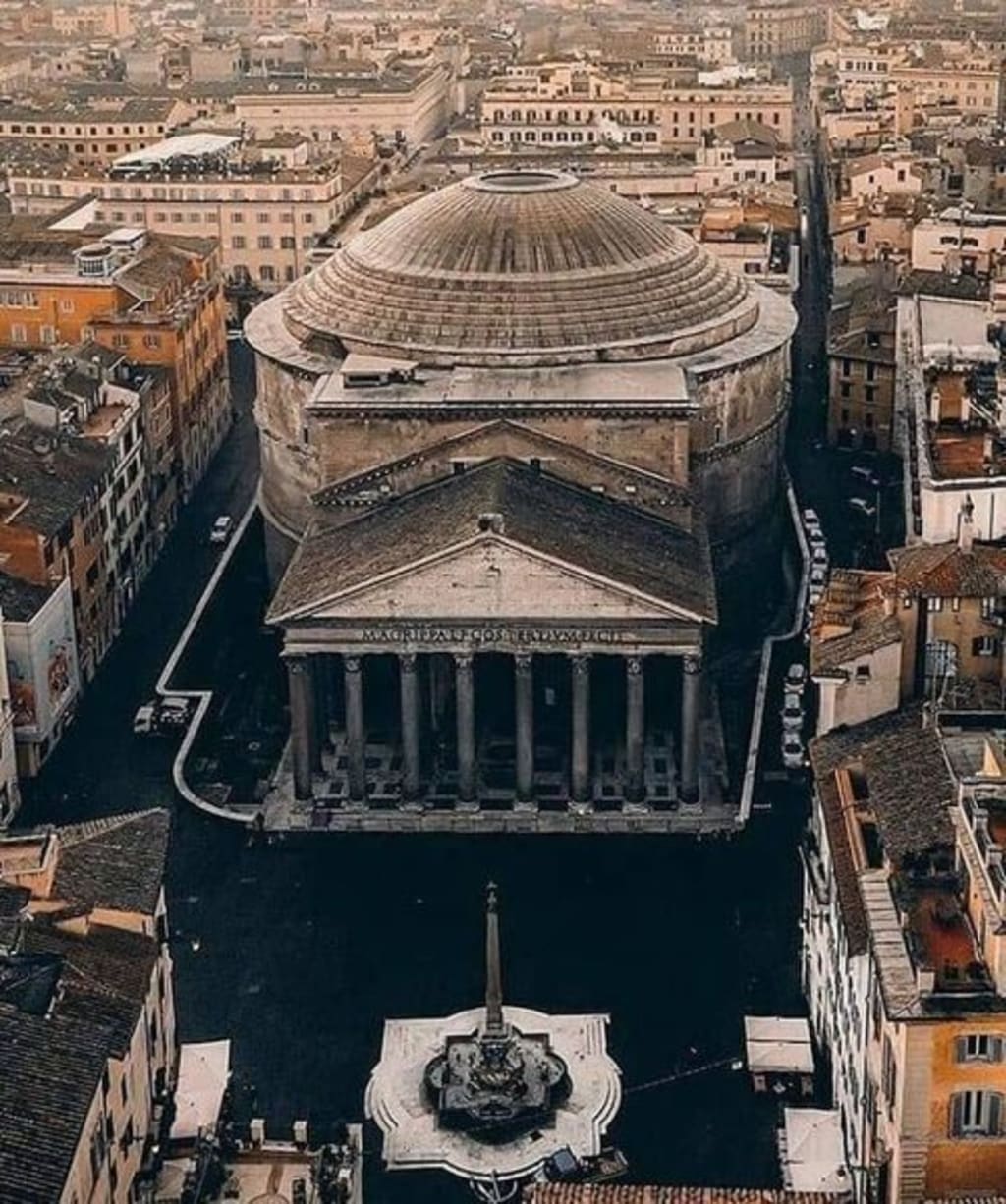
When we think of ancient Rome, towering structures like the Colosseum or the Roman Forum often come to mind. However, nestled in the heart of Rome, standing as a testament to Roman engineering and architectural brilliance, is the Pantheon. This iconic building, with its remarkable history, stunning design, and enduring influence, remains one of the best-preserved monuments from the Roman Empire. Even more astonishing is the fact that its dome, made of concrete, is still the largest unsupported dome in the world, nearly two thousand years after its construction.
A Glimpse into History
The Pantheon, as we see it today, was built by the Roman emperor Hadrian around AD 125, though its origins date back to 27 BC when Marcus Agrippa first constructed a temple dedicated to all Roman gods. Agrippa’s version, however, was destroyed by fire, and in the early 2nd century AD, Emperor Hadrian decided to rebuild it. While Hadrian oversaw the reconstruction, he chose to preserve the inscription on the building that credits Agrippa for its original construction, a gesture of respect for his predecessor.
The name Pantheon itself comes from the Greek words pan (all) and theos (god), meaning "all gods," which reflects its purpose as a temple dedicated to the pantheon of Roman deities. It was a place of worship, but also a symbol of the grandeur and reach of the Roman Empire, designed to embody the power and divine protection over the empire’s vast territories.
The Magnificence of the Dome
What truly sets the Pantheon apart from other ancient buildings is its dome. At 43.3 meters (142 feet) in diameter, the Pantheon’s dome was an architectural marvel in its time and continues to be a feat of engineering today. It is made entirely of concrete, which was a revolutionary material for its time, and the Romans mastered the art of creating strong, durable concrete that allowed them to build structures of unprecedented size.
The genius behind the Pantheon’s dome lies in its construction. The Romans gradually reduced the thickness of the concrete as the dome rises, with the uppermost layers made from lighter materials such as pumice. This thoughtful design ensures that the weight of the dome is evenly distributed, allowing it to span such a large distance without the need for supporting columns or additional structural support. The result is a vast, open interior space, with no obstructions to the viewer’s gaze.
At the top of the dome is the oculus, a circular opening that measures 8.8 meters (29 feet) in diameter. This opening not only provides light to the interior, creating a dramatic interplay of light and shadow, but it also symbolizes the connection between the temple and the gods. The sunlight that pours through the oculus creates a stunning visual effect, especially during the equinoxes, when the sun’s rays directly align with the entrance, guiding worshippers toward the altar.
The Pantheon’s dome remains the largest unreinforced concrete dome in the world, and despite advancements in construction technology, no modern structure has surpassed it in scale or structural integrity. The fact that the Pantheon’s dome has survived intact for almost two millennia is a testament to the ingenuity of Roman engineering.
The Pantheon’s Enduring Influence
The Pantheon is not only one of the most important buildings of ancient Rome; it has also had an enormous impact on Western architecture. Over the centuries, the Pantheon’s design has inspired countless architects and builders, serving as a model for buildings ranging from Renaissance churches to modern civic structures.
In the Renaissance, architects like Michelangelo and Raphael marveled at the Pantheon’s proportions and its innovative use of the dome. Michelangelo, in particular, is said to have drawn inspiration from the Pantheon’s dome when designing the dome of St. Peter’s Basilica in Vatican City, which remains one of the most recognizable architectural feats in the world today.
The influence of the Pantheon can also be seen in the construction of monumental buildings such as the US Capitol Building in Washington, D.C., which borrows elements from the Roman structure. The idea of a large, open interior space with a dome became a hallmark of Western architecture, symbolizing power, stability, and divine protection.
The Pantheon Today: A Living Monument
Today, the Pantheon stands not only as a historical marvel but also as a vibrant place of worship and tourism. It was converted into a Christian church in the 7th century, known as St. Mary and the Martyrs, and it remains a Catholic church to this day. In fact, the building still hosts regular Mass services, further cementing its status as a living, breathing part of the city’s religious and cultural life.
The Pantheon is also one of Rome’s most popular tourist attractions, drawing millions of visitors each year. It offers a rare glimpse into the grandeur of ancient Rome, as well as the mastery of its engineers and architects. The building’s preservation, especially considering its age, is a remarkable feat, and much of its longevity can be attributed to its consistent use throughout history.
Conclusion: A Timeless Masterpiece
The Pantheon is more than just a building; it is an enduring symbol of Roman innovation, a reflection of the grandeur of the Roman Empire, and a lasting influence on architecture across the centuries. The engineering feats that made the Pantheon possible were groundbreaking in their time, and the fact that it still stands today, with its massive dome and awe-inspiring proportions, speaks to the lasting legacy of Roman craftsmanship.
From its ancient origins as a temple to the gods to its role as a Christian church, the Pantheon has withstood the test of time, continuing to inspire awe in all who enter. It is not only a marvel of architecture but a monument to human ingenuity, a reminder that great works of art and engineering can transcend time, connecting us to the past while inspiring future generations.
About the Creator
Keep reading
More stories from Deji Akomolafe and writers in History and other communities.
The Fascinating World of Dos-à-Dos Bookbinding: A Glimpse into Medieval Bookcraft
In the world of bookbinding, few techniques are as unique and intriguing as the dos-à-dos binding. This unusual style, which literally translates from French as "back-to-back," has roots in the medieval and early modern periods. It’s a method that combines both practicality and artistry, providing a space-efficient way to store multiple books in a single volume. Though rare today, this binding technique tells a story of its time—a time when books were precious commodities and the art of their creation was a specialized skill.
By Deji Akomolafeabout a year ago in History
The Great Gold Coin Heist: $4 Million Treasure Stolen from German Museum
In one of the most astonishing museum thefts in recent history, a massive gold coin valued at nearly $4 million was stolen from a museum in Germany. The dramatic robbery captured international attention due to the coin’s enormous size, historical importance, and the audacity of the criminals who managed to escape with such a valuable artifact.
By Irshad Abbasi about 23 hours ago in History
📢 Raise Your Voice Thread: 03/05/2026
Our “Raise Your Voice Threads” are hosted most alternating Thursdays at 12PM ET to offer creators more avenues to uncover exceptional stories on Vocal. As we are continuously searching for fresh creators and inspiring stories, this thread provides an opportunity to exchange and discuss the stories that have moved and motivated us on Vocal.
By Raise Your Voice by Vocal7 days ago in Resources



Comments
There are no comments for this story
Be the first to respond and start the conversation.