
The Olympic Games: An Intricate Connection with Politics
The Olympic Games, celebrated as the pinnacle of international sports, are often viewed through a lens of unity and global camaraderie. However, beneath the surface of athletic prowess and national pride lies a complex relationship between the Olympics and politics. This connection, steeped in history, underscores how the Games have frequently been a stage for political expression, conflict, and diplomacy.

Historical Roots of Politics in the Olympics
The intersection of politics and the Olympics can be traced back to ancient Greece, where the Games were as much a religious and political event as they were athletic. City-states often used the occasion to assert their dominance and resolve conflicts. The modern Olympics, revived in 1896 by Pierre de Coubertin, aimed to promote international peace and cooperation. Yet, from the outset, political undertones were inevitable.
The 1936 Berlin Olympics: A Propaganda Tool
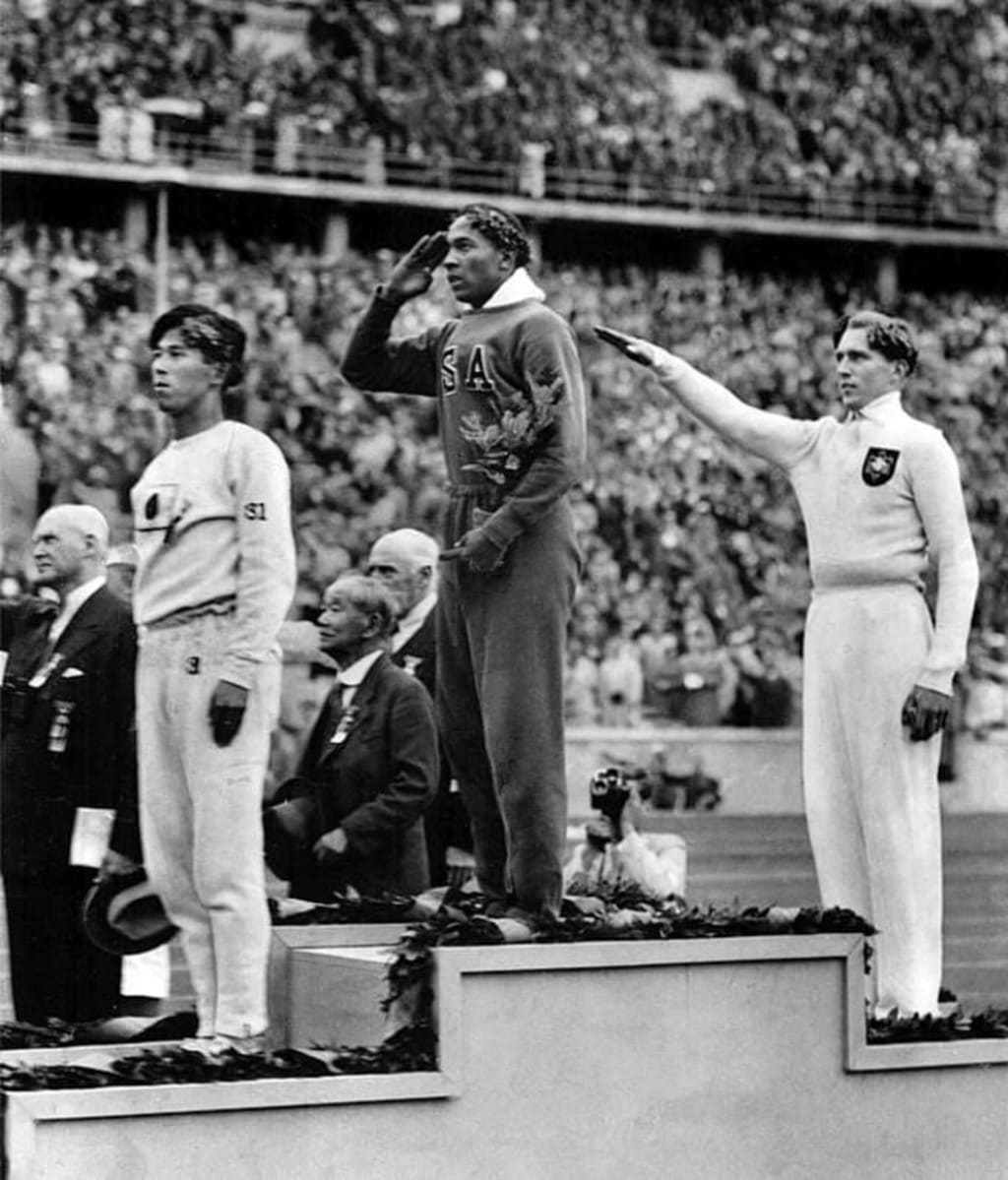
One of the most notable instances of the Olympics being used for political purposes was the 1936 Berlin Games. Adolf Hitler’s Nazi regime orchestrated the event to showcase Germany’s supposed superiority and promote its ideological propaganda. The spectacle was meticulously designed to impress the world, masking the regime’s oppressive policies and anti-Semitic agenda. Jesse Owens, an African American athlete, famously disrupted this narrative by winning four gold medals, challenging the Nazi propaganda of racial superiority.
Cold War Tensions: The Olympics as a Battleground
The Cold War era saw the Olympics become a proxy battleground for the ideological contest between the United States and the Soviet Union. The Games were a platform for each superpower to demonstrate its athletic supremacy and, by extension, the superiority of its political and economic system.
The 1980 Moscow Olympics were heavily impacted by the political climate, as the United States led a boycott of the Games in protest against the Soviet invasion of Afghanistan. In response, the Soviet Union and several of its allies boycotted the 1984 Los Angeles Olympics. These boycotts highlighted how the Olympics could be wielded as a political weapon, affecting the spirit of competition and unity that the Games are meant to foster.
The 2008 Beijing Olympics: A Showcase of Rising Power
The 2008 Beijing Olympics marked China’s emergence as a global power. The Chinese government invested billions in infrastructure and presented an impeccable opening ceremony, aiming to showcase its economic progress and technological advancements. However, the lead-up to the Games was marred by political controversies, including protests over China’s human rights record and its policies in Tibet. The Beijing Olympics exemplified how host nations use the Games to project soft power and influence international perceptions, even as they grapple with domestic and international criticisms.
The 2020 Tokyo Olympics: A Pandemic and Political Struggles
The 2020 Tokyo Olympics, postponed to 2021 due to the COVID-19 pandemic, faced unprecedented challenges that intertwined health concerns with political considerations. The decision to proceed with the Games amidst the pandemic sparked debates over public safety versus economic and political interests. The event highlighted the delicate balance host nations must strike between hosting a global event and addressing domestic concerns.
Athletes as Political Figures
Athletes themselves have increasingly become political figures, using the Olympic platform to voice their opinions on social and political issues. The iconic image of Tommie Smith and John Carlos raising their fists in a Black Power salute at the 1968 Mexico City Olympics remains a powerful symbol of protest against racial injustice. More recently, athletes have advocated for various causes, from human rights to environmental issues, reflecting a growing trend where sports and activism intersect.
Diplomatic Implications: The Role of the IOC
The International Olympic Committee (IOC) plays a critical role in navigating the political landscape of the Games. The IOC often positions itself as a neutral entity, promoting the Olympic Charter’s ideals of political neutrality. However, its decisions are frequently scrutinized for their political implications, such as the selection of host cities, responses to doping scandals, and handling of political protests.
Conclusion
The Olympic Games, while celebrated for their athletic achievements and international unity, are deeply intertwined with politics. From their historical roots to modern-day controversies, the Olympics have been a reflection of global political dynamics. As the world continues to evolve, the connection between the Olympic Games and politics will undoubtedly persist, shaping and being shaped by the complex interplay of sports and international relations.
About the Creator
Eyal Zohar
Hello! My name is Eyal & I’m a starting writer, writing about the things I’m passionate about. Hopefully you will join my journey, can’t wait for it!
Keep reading
More stories from Eyal Zohar and writers in History and other communities.
The Best Social Media Platforms for Making Money in 2024
1. YouTube YouTube remains one of the top platforms for earning money online. With over 2 billion logged-in monthly users, it offers an expansive audience. Content creators can monetize their videos through Google AdSense, which places ads on their videos. Additionally, YouTubers can earn through sponsored content, merchandise sales, and channel memberships.
By Eyal Zohar2 years ago in Education


Comments (5)
that good!
Nice one
Nice piece, keep the on going.
Very interesting. I loved reading about the connection between Olympic Games and politics :)
Nice story!!!!