
The Nanjing Massacre: Remembering One of History’s Darkest Chapters
forgotten parts of history, a gruesome remembrance

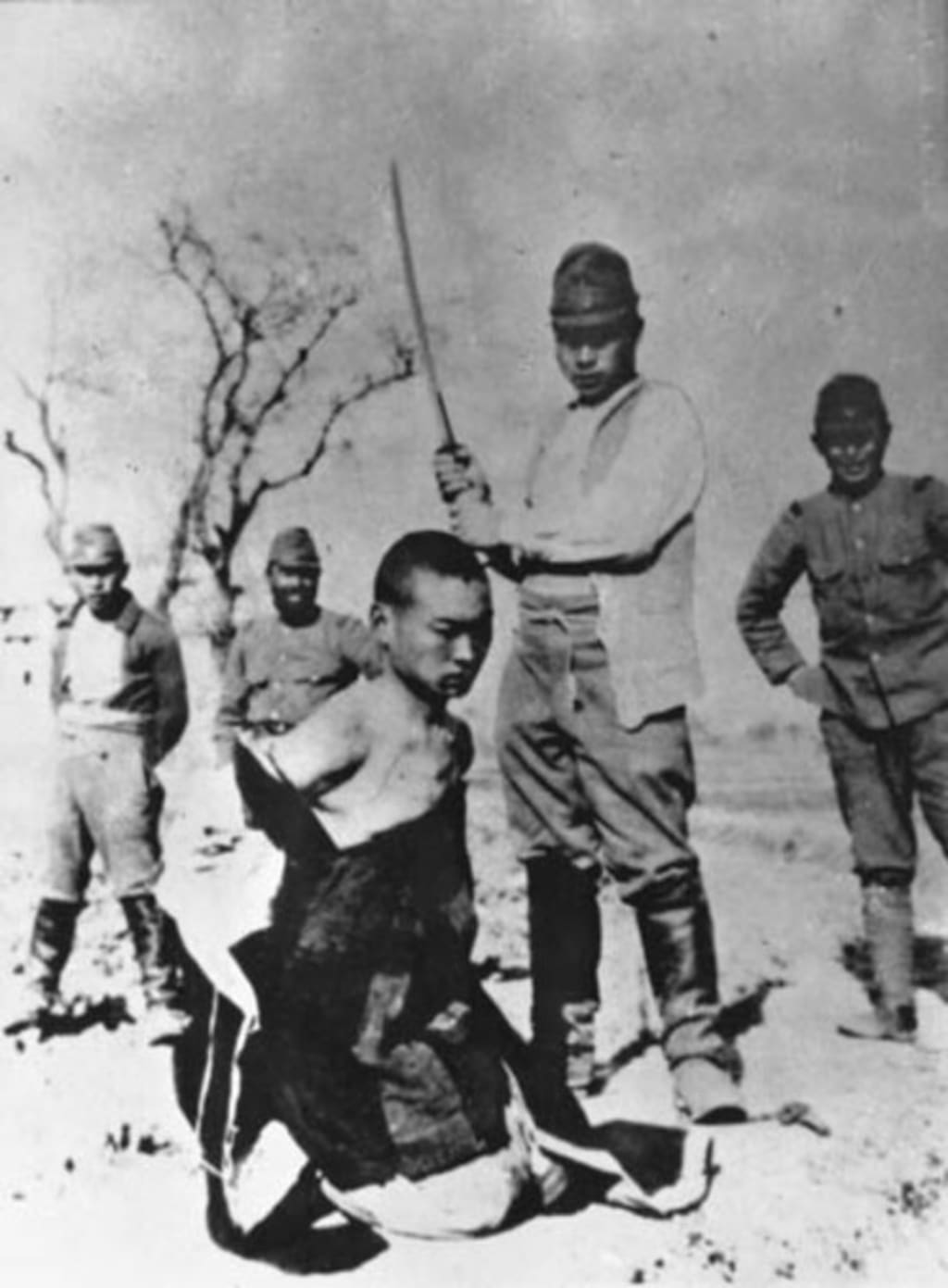
Note: The events described are based on historical accounts and aim to inform readers of the severity of the atrocities committed. Reader discretion is advised due to the graphic nature of the content.
Throughout human history, there have been numerous atrocities that have left indelible marks on our collective consciousness. Among these, the Nanjing Massacre stands out as one of the most heinous crimes ever committed. This tragic event, which unfolded over several weeks in late 1937, serves as a stark reminder of the depths of human cruelty and the importance of remembering our past to prevent such horrors in the future.
The Prelude to Horror
In December 1937, the Imperial Japanese Army captured Nanjing, the capital of the Republic of China, during the Second Sino-Japanese War. What followed was a systematic campaign of violence against the city's civilian population and disarmed soldiers. While traditional accounts often cite a six-week period of atrocities beginning on December 13, evidence suggests that the violence began earlier and persisted beyond this timeframe.
Unimaginable Atrocities
The scale and nature of the atrocities committed were beyond comprehension. Estimates of the death toll vary, with some scholars suggesting that over 200,000 individuals were killed, while others propose numbers ranging from 40,000 to over 300,000. The victims were not limited to soldiers; civilians—including women, children, and the elderly—were subjected to unspeakable horrors. During doing research for this article, I found dozens of photos where the Japanese soldiers posed for photos with decapitated heads of the victims. The photo included heads of both genders, children, adults and old people. I couldn't bring myself to count the heads but if I were to estimate, that photo alone contained around 50 heads. Due to the gruesome nature of it, I am not including the photo in this article. there's this another photo I found where the photo was taken right after the decapitation. the man's head lies on the floor. And the torso still in kneeling position.
Systematic Rape and Torture
One of the most harrowing aspects of the massacre was the widespread sexual violence. Reports indicate that between 20,000 to 80,000 women were raped during this period. The victims' ages ranged from infants to the elderly. Many were subsequently murdered to conceal the crimes. Torture was rampant, with individuals subjected to bayonet practice, disembowelment, and other forms of brutal execution.
Destruction and Despair
Beyond the loss of life, the cultural and emotional impact was profound. Approximately one-third of Nanjing was destroyed by arson, leaving countless families homeless and eradicating irreplaceable cultural landmarks. The psychological trauma endured by the survivors is immeasurable, with many losing not only their loved ones but also their sense of security and identity.
International Response and Legacy
At the time, the international community's response was limited. Some foreigners residing in Nanjing, such as John Rabe, established the Nanking Safety Zone, which provided refuge to an estimated 200,000 Chinese civilians. However, these efforts were insufficient to halt the widespread atrocities.
In the aftermath, the Nanjing Massacre became a focal point in post-war trials. Japanese military leaders, including General Iwane Matsui, were held accountable for their roles in the atrocities. However, some individuals, such as Prince Yasuhiko Asaka, were granted immunity due to their status.
A Call for Remembrance
The Nanjing Massacre serves as a chilling reminder of the potential for human cruelty during times of war. It underscores the necessity for vigilance in protecting human rights and preventing the dehumanization of any group. As of the current estimate, around 30 survivors of the Nanjing massacre are still alive. The Chinese government has preserved the survivors' testimonies, recorded in both written and video transcripts. The documents on the massacre were listed by UNESCO in the Memory of the World Register in 2015. By acknowledging and remembering such atrocities, we honor the victims and commit ourselves to building a world where such horrors are never repeated.
About the Creator
E. hasan
An aspiring engineer who once wanted to be a writer .
THE TREASURE IN THE FOREST
The canoe drifted quietly toward the island, where a wide bay opened beneath a blazing sky. A narrow gap in the white reef marked the mouth of a small river, its path visible by the darker green of thick forest spilling down the hillside. Beyond it, mountains rose like frozen waves. The sea was calm, almost unnaturally so.
By Faisal Khan6 days ago in History
The Places That Were Never Meant to Be Lived In
The first thing you notice about places like this is the quiet. Not the peaceful kind, the kind that feels held in place. Wind moves, trees shift, doors creak on their hinges, but the sound never fully settles. It doesn’t echo the way it should. It lingers, as if the air itself is listening.
By Veil of Shadows5 days ago in History


Comments
There are no comments for this story
Be the first to respond and start the conversation.