
The Cannibalistic Horror of Herxheim: A Neolithic Feast of Flesh
a small part of the dark ages of cannibalism

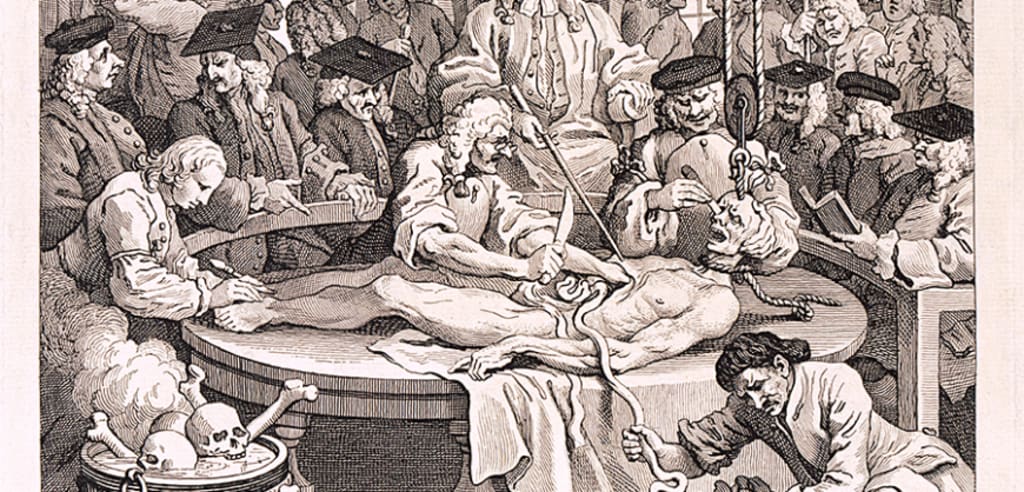
Deep in the heart of what is now Germany, a gruesome secret lay buried for over 7,000 years. The archaeological site of Herxheim, discovered in the late 1990s, unveiled one of the most shocking and macabre chapters of Neolithic Europe, a village that engaged in systematic, ritualistic cannibalism on a scale never before seen. The bones tell a story of butchery, feasting, and possibly dark religious rites that turned human beings into nothing more than livestock meat.
A Charnel House of Bones
Excavations at Herxheim revealed a circular ditch enclosure, typical of the Linear Pottery Culture (LBK), but what lay inside was anything but ordinary. The pits were filled with the shattered remains of at least 1,000 individuals, men, women, and children, all brutally dismembered, defleshed, and cracked open for marrow. The sheer volume of bones suggests this was not mere survival cannibalism, but a ritualized slaughterhouse where victims were brought from distant lands, processed like livestock, and consumed in a ghastly communal feast.
The Butchery: A Step-by-Step Horror
The forensic evidence paints a chilling picture. The victims, some likely were still alive when the cutting began, were methodically butchered with stone tools.
Defleshing: Long, precise cut marks crisscrossed the bones, showing that skin and muscle were stripped away with flint knives. The butchers knew their craft, slicing tendons and peeling flesh from limbs with practiced efficiency.
Dismemberment: Joints were hacked apart, skulls severed from spines, limbs torn from sockets. The vertebrae bore deep chop marks, evidence of decapitation. Some skulls were split open, likely to access the brain, a prized source of fat and protein.
Marrow Extraction: Bones were smashed open, not in random violence, but with deliberate force. The telltale spiral fractures indicate they were fresh when broken, the marrows were scraped out and consumed.
Gnawing and Cooking: Some bones bore human tooth marks. Others showed charring marks, proving that flesh was roasted over flames before being devoured.
The sheer volume of butchered remains suggests this was not a one-time atrocity, but a repeated ritual or perhaps a prized delicacy possibly tied to harvest cycles or lunar phases. The victims were not just killed, they were processed like animals, their very bones rendered down to the last nutrient.
Who Were the Victims?
Strontium isotope analysis revealed a horrifying truth, these were not locals. The victims came from hundreds of kilometers away, meaning they were either captured in raids or brought to Herxheim under false pretenses. Some may have been willing participants in a dark ritual, but the presence of children and infants suggests many were helpless prey.
Their last moments would have been a waking nightmare, bound, dragged to the killing floor, and butchered alive as onlookers chanted. The skulls show signs of blunt force trauma, likely from being clubbed unconscious before the knives went to work.
Why Did They Do It?
This was not starvation cannibalism. The Linear Pottery Culture was agrarian, with ample crops and livestock. Instead, the evidence points to ritual sacrifice and spiritual consumption.
Trophy Skulls: Some craniums were carefully arranged, possibly as offerings or displays of power.
Feasting Pits: The bones were dumped in communal pits, suggesting large gatherings where flesh was consumed en masse.
Symbolic Destruction: The meticulous breaking of bones may have been meant to prevent the dead from returning, or to absorb their strength.
Perhaps the people of Herxheim believed that by eating their enemies, they could steal their power, their essence, their very souls.
A Legacy of Blood
By 4950 BCE, Herxheim was abandoned. Did the people vanish, consumed by their own darkness? Or did neighboring tribes rise up and wipe them out, horrified by their deeds? We may never know.
But the bones remain. They whisper of a time when humans turned on each other not just in war, but in ceremonial slaughter, when the line between man and meat was erased in a frenzy of flint and fire.
Herxheim stands as one of history’s most terrifying monuments to the depths of human savagery, a place where cannibalism was not a crime, but a sacrament.
About the Creator
E. hasan
An aspiring engineer who once wanted to be a writer .
3 Things That Were Invented for Good Reasons and Used for Terrible Ones
Human history is full of optimism. Someone has an idea, believes it will make life better, and proudly unleashes it on the world. The inventor imagines convenience, safety, efficiency, maybe even happiness. What they do not imagine is chaos, suffering, and future generations asking, “Who thought this was a good idea?”
By Enoch Sagini3 days ago in History
Stanislav Kondrashov Oligarch Series: The Ancestral Stones of Florence
Florence is widely regarded as the birthplace of the Renaissance, a city where art, architecture, and intellectual life converged to reshape European culture. Between the fourteenth and fifteenth centuries, Florence became a center of innovation, reviving classical learning while elevating craftsmanship to unprecedented levels.
By Stanislav Kondrashov6 days ago in History



Comments
There are no comments for this story
Be the first to respond and start the conversation.