
The Mystical Legend of Atlantis
A Journey to the Lost Civilization

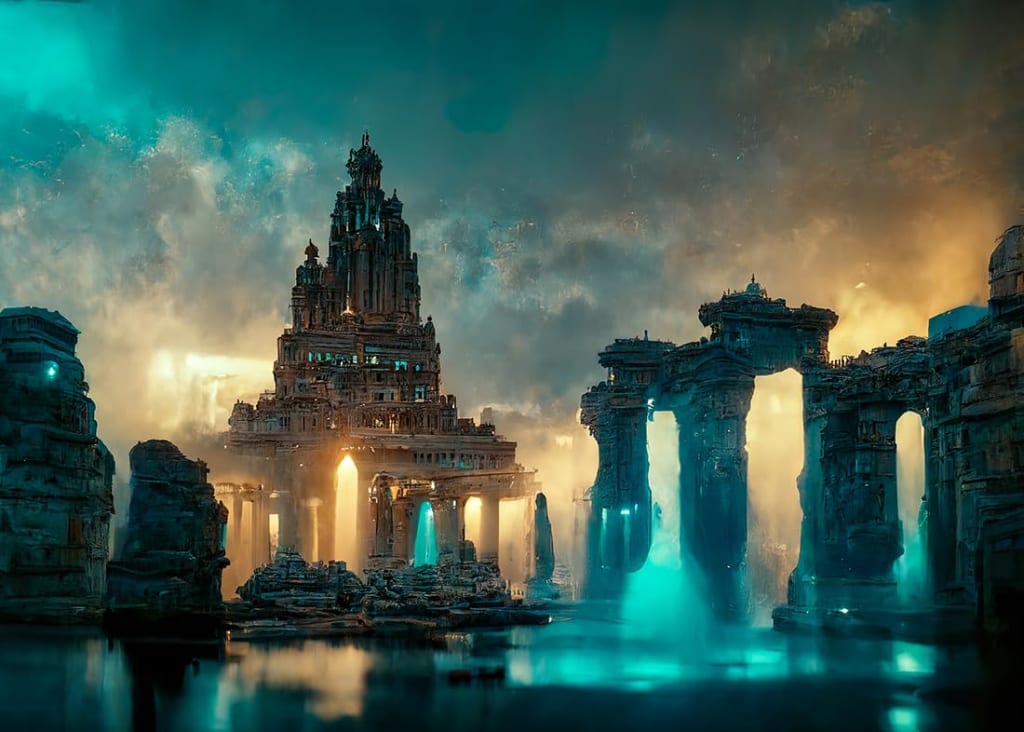
For centuries, the enigma of Atlantis has fascinated explorers, historians, and dreamers alike. The story of this lost civilization, first recounted by the ancient philosopher Plato, continues to spark our imaginations. Was Atlantis a real place? Did it hold advanced technologies and knowledge long forgotten? Or is it merely a cautionary tale, a mythical mirror reflecting the fragility of great empires?
In this journey through time, let’s explore the enduring mystery of Atlantis and what it represents—a symbol of human potential, ambition, and, ultimately, the peril of hubris.
The Origins of the Legend
The story of Atlantis first appeared around 360 B.C., when Plato described it in his works Timaeus and Critias. According to him, Atlantis was a powerful and prosperous island civilization, located beyond the "Pillars of Hercules" (what we know today as the Strait of Gibraltar). The Atlanteans were not only skilled in engineering, arts, and warfare, but they were also believed to have an unparalleled knowledge of the natural world.
But then, in a dramatic twist, Plato recounts that Atlantis was destroyed in a single day and night due to catastrophic earthquakes and floods. The island sank into the ocean, never to be seen again. This tale of Atlantis has captivated generations, urging people to look for traces of this advanced society.
Mysterious Facts About Atlantis
1. The Possible Locations of Atlantis
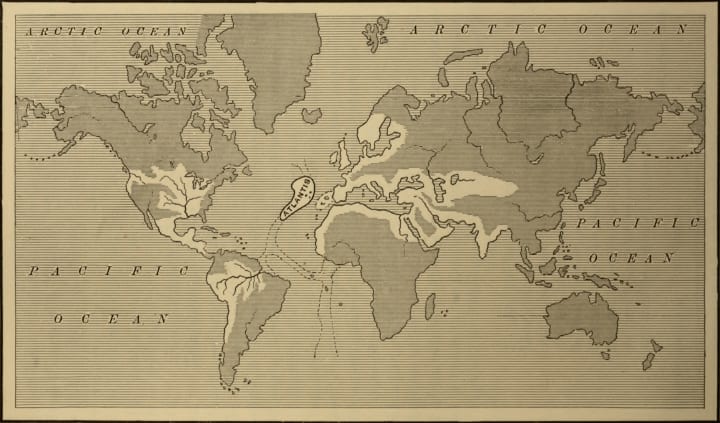
Over time, many theories have emerged about where Atlantis might have been. Some suggest it was located in the Mediterranean Sea, near the island of Santorini, which experienced a massive volcanic eruption around 1600 B.C. Others believe that Atlantis could be submerged somewhere in the depths of the Atlantic Ocean or hidden beneath the sands of the Sahara Desert. Each theory adds layers of intrigue and wonder, but no definitive proof has been found.
2. The Advanced Technology of Atlantis
According to ancient accounts, Atlantis was far ahead of its time. Legends say they harnessed mysterious energy sources, built enormous structures, and had knowledge of architecture and medicine far superior to other civilizations of their time. Some even speculate that the Atlanteans possessed technology akin to modern-day innovations like electricity, air travel, or even interstellar communication!
3. The Moral of Atlantis: A Cautionary Tale
Beyond the allure of its grandeur, the story of Atlantis serves as a warning. The Atlanteans, according to Plato, fell victim to their own arrogance and greed. Their once utopian society collapsed under the weight of corruption, and their downfall serves as a powerful reminder that even the most powerful civilizations can be destroyed if they lose sight of humility and balance.
Atlantis: A Legacy of Wonder
Whether Atlantis existed or not, the allure of this lost civilization remains timeless. It inspires us to dream about possibilities beyond what we know, to seek knowledge, and to learn from the mistakes of the past. The legend of Atlantis is more than just a mystery; it’s a call to reflect on the greatness we can achieve—and the price we pay when we overreach.
The next time you hear the whisper of the ocean waves or gaze at the stars, consider the tale of Atlantis. Perhaps it is not just about a sunken land, but about the depth of our own potential, waiting to be rediscovered.
About the Creator
Merit Neith
Crafting worlds, one word at a time. From heartwarming tales to thrilling adventures, join me on a journey through stories that inspire, entertain, and leave you wanting more. Let's get lost in the magic of storytelling.
Keep reading
More stories from Merit Neith and writers in History and other communities.
Ancient Egypt’s Wonders
In the golden age of ancient Egypt, where the mighty Nile carved life into the desert, and the gods themselves seemed to walk among men, the kingdom was a land of wonders, curiosities, and untold secrets. Imagine a land where colossal stone structures reached for the heavens, shimmering under the scorching sun, while deep beneath the sands lay treasures that glittered with the promise of eternal life.
By Merit Neithabout a year ago in History
Military Strength of Alexander the Great and the Chola Empire: A Historical Comparison
Though separated by more than a thousand years and operating in vastly different geographical and cultural contexts, both forces achieved extraordinary success through discipline, innovation, and strategic brilliance. This article explores the history, composition, size, organization, and military strength of Alexander’s Macedonian army and the Chola military, highlighting how each became a dominant power of its era.
By Say the truth 3 days ago in History
The Hard Ways Trump Could Try to Take Greenland
When Donald Trump was president of the United States, he shocked the world by saying he wanted to buy Greenland. Many people laughed, but others took the idea seriously. Greenland is a huge island in the Arctic. It is rich in natural resources and very important for military defense. Today, Greenland belongs to Denmark, but it also governs itself in many areas.
By sehzeen fatima6 days ago in History



Comments
There are no comments for this story
Be the first to respond and start the conversation.