
The Mystery of Jack the Ripper
The Shadow That Haunted Victorian London
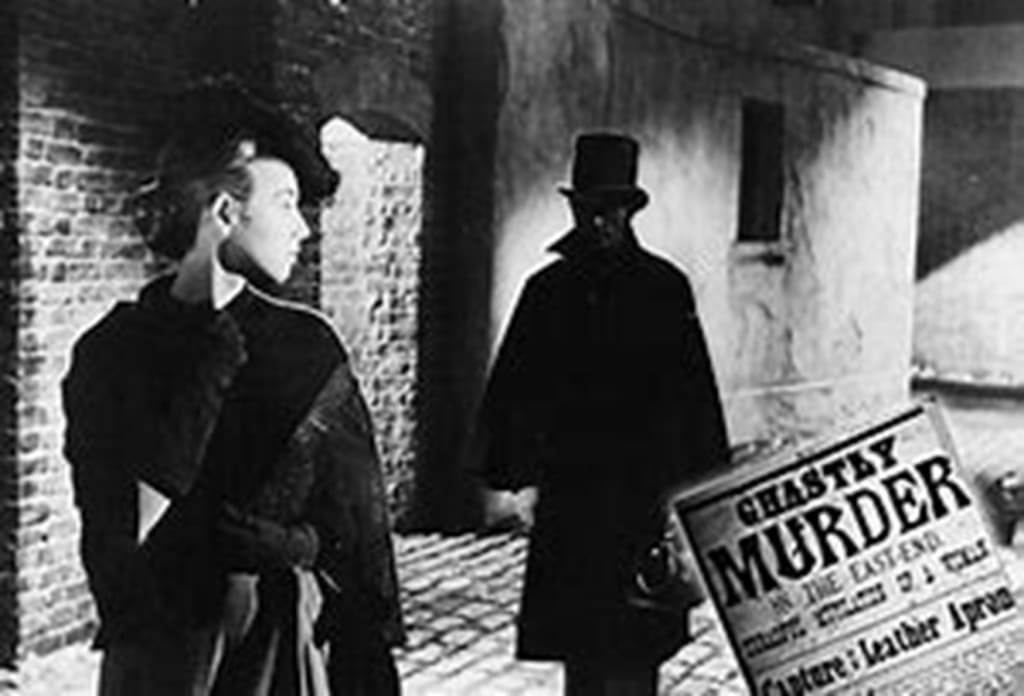
The Mystery of Jack the Ripper: The Shadow That Haunted Victorian London
Few names evoke the chilling specter of mystery and horror quite like Jack the Ripper. This unidentified figure stalked the foggy streets of London in 1888, leaving behind a trail of blood and terror that continues to captivate historians, criminologists, and true crime enthusiasts to this day. Despite a myriad of theories and suspects, the identity of the Ripper remains one of the greatest unsolved mysteries in history.
The Setting: Victorian London’s Dark Underbelly
The Whitechapel district of East London in the late 19th century was a grim place. Overcrowded, poverty-stricken, and rife with crime, it was a stark contrast to the wealth and grandeur of Victorian society. The labyrinthine alleys and dimly lit streets created the perfect stage for a shadowy figure to prowl unnoticed.
Life was especially harsh for women of the lower classes, many of whom turned to prostitution to survive. It was among these women that the Ripper would find his victims, preying on their vulnerability and ensuring that his horrific acts would send shockwaves through the city.
The Murders: A Reign of Terror
Between August and November 1888, Jack the Ripper is believed to have brutally murdered at least five women, though some theorists argue there may have been more victims. The canonical five—Mary Ann Nichols, Annie Chapman, Elizabeth Stride, Catherine Eddowes, and Mary Jane Kelly—were all killed in a manner so gruesome that even hardened police officers were horrified.
The Ripper’s modus operandi was both precise and grotesque. He targeted women on the fringes of society, strangling them before mutilating their bodies with surgical precision. Some victims were disemboweled, and organs were removed, leading investigators to believe the killer had anatomical knowledge—possibly a butcher, doctor, or surgeon.
The murders were not only acts of violence but also performances of terror, each more shocking than the last. Mary Jane Kelly, the final and most savagely mutilated victim, was discovered in her small room, her body unrecognizable. The brutality of her murder marked the peak of the Ripper’s reign of terror.
The Letters: Taunts from the Shadows
During the investigation, the police and newspapers received numerous letters, many claiming to be from the killer. Most were dismissed as hoaxes, but three stood out:
The "Dear Boss" Letter: This letter, signed "Jack the Ripper," was the first to use the now-infamous moniker. It also contained a chilling promise to "clip the lady’s ears off," a detail eerily reflected in Catherine Eddowes’ murder.
The "Saucy Jacky" Postcard: Written in a similar style to the "Dear Boss" letter, this postcard referenced the murders of Elizabeth Stride and Catherine Eddowes, claiming they happened so quickly that the writer had barely time to escape.
The "From Hell" Letter: Arguably the most disturbing, this letter was accompanied by half of a human kidney, allegedly taken from one of the victims. The writer claimed to have fried and eaten the other half, adding a gruesome layer to the mystery.
Whether any of these letters were genuinely written by the Ripper remains a subject of debate. Some investigators believe they were the work of journalists trying to sensationalize the case, while others argue they provide crucial insights into the killer’s mind.
The Suspects: A Rogue’s Gallery
Over the years, the list of Jack the Ripper suspects has grown to include everyone from local butchers to members of the royal family. Here are some of the most intriguing:
Montague John Druitt: A barrister with a history of mental illness, Druitt was found dead in the Thames shortly after the murders ceased. Some contemporaries suspected he fit the profile of the Ripper.
Aaron Kosminski: A Polish immigrant and barber, Kosminski was identified by a witness as the killer, though the evidence was circumstantial. Modern DNA analysis of a shawl purportedly belonging to Catherine Eddowes suggested Kosminski’s involvement, but the findings remain controversial.
Sir William Gull: A physician to the royal family, Gull is central to the "Royal Conspiracy" theory, which posits that the murders were part of a cover-up involving Prince Albert Victor. While sensational, this theory lacks concrete evidence.
James Maybrick: A Liverpool cotton merchant, Maybrick’s alleged diary surfaced in the 1990s, confessing to the murders. However, the diary’s authenticity has been hotly contested.
"Jill the Ripper": Some theorists suggest the killer may have been a woman, possibly a midwife who could move about unnoticed and covered in blood without arousing suspicion. This theory, while intriguing, has little evidence to support it.
The Investigation: A Case That Eluded Justice
The police faced immense pressure to solve the case, but their efforts were hindered by limited forensic technology, unreliable witnesses, and a chaotic media landscape. Public fear turned to outrage as the murders continued, leading to accusations of incompetence and corruption within the Metropolitan Police.
Despite questioning hundreds of suspects and pouring resources into the investigation, the Ripper was never caught. The case was officially closed in 1892, but the lack of resolution only deepened the mystery.
The Legacy of Jack the Ripper
Jack the Ripper’s infamy has only grown with time. The case has inspired countless books, films, and TV shows, solidifying the Ripper as a macabre cultural icon. But beyond the sensationalism lies a sobering reality: the lives of five women were brutally taken, their stories often overshadowed by the enigma of their killer.
Modern investigations, armed with advances in forensic science and criminology, continue to revisit the case. While some claim to have solved the mystery, definitive proof remains elusive. The identity of Jack the Ripper, like the foggy streets of Whitechapel, remains shrouded in darkness.
The mystery of Jack the Ripper endures not because of the brutality of his crimes, but because of the questions he left unanswered. Who was he? What drove him to commit such horrific acts? And why did he stop? Until those questions are definitively answered, the shadow of Jack the Ripper will continue to loom large over the annals of true crime history.
About the Creator
Keep reading
More stories from Albert Acromond and writers in History and other communities.
The Black Dahlia Murder
The Black Dahlia Murder: Hollywood’s Darkest Mystery Few cases have gripped the public’s imagination like the gruesome murder of Elizabeth Short, better known as the Black Dahlia. It’s a story that reads like a noir thriller, complete with Hollywood glamour, shadowy suspects, and an unsolved ending that continues to tantalize true crime enthusiasts decades later. But behind the mystique and endless speculation lies a young woman whose life was tragically cut short, leaving behind one of America’s most infamous mysteries.
By Albert Acromondabout a year ago in History
Julius Caesar: The Rise and Fall of a Legend
The Rise and Fall of Julius Caesar In the first century BCE, the Roman Republic stood as one of the most powerful states in the ancient world. Its armies conquered vast territories, its laws shaped civilizations, and its Senate governed through a delicate balance of tradition and authority. Into this complex political world was born Gaius Julius Caesar in 100 BCE—a man whose ambition, brilliance, and fate would forever change Roman history.
By The best writer 7 days ago in History
A secret staircase found beneath a 1,500-year-old French church
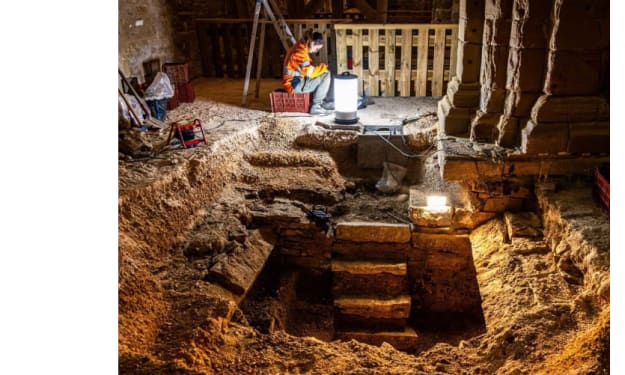
A subterranean staircase and burial strata dating back approximately 1,500 years were discovered during a project inside the Church of Saint Philibert in Dijon, France. The stairs were discovered by restoration workers inside the church when repairs were being made, and the excavation soon ensued.
By Francis Dami3 days ago in History



Comments
There are no comments for this story
Be the first to respond and start the conversation.