
The Most Powerful Dragons in Mythology: Legends from East and West
From moon-eating sea serpents to world-ending Norse monsters, these ancient dragons prove that myth never lost its fire.

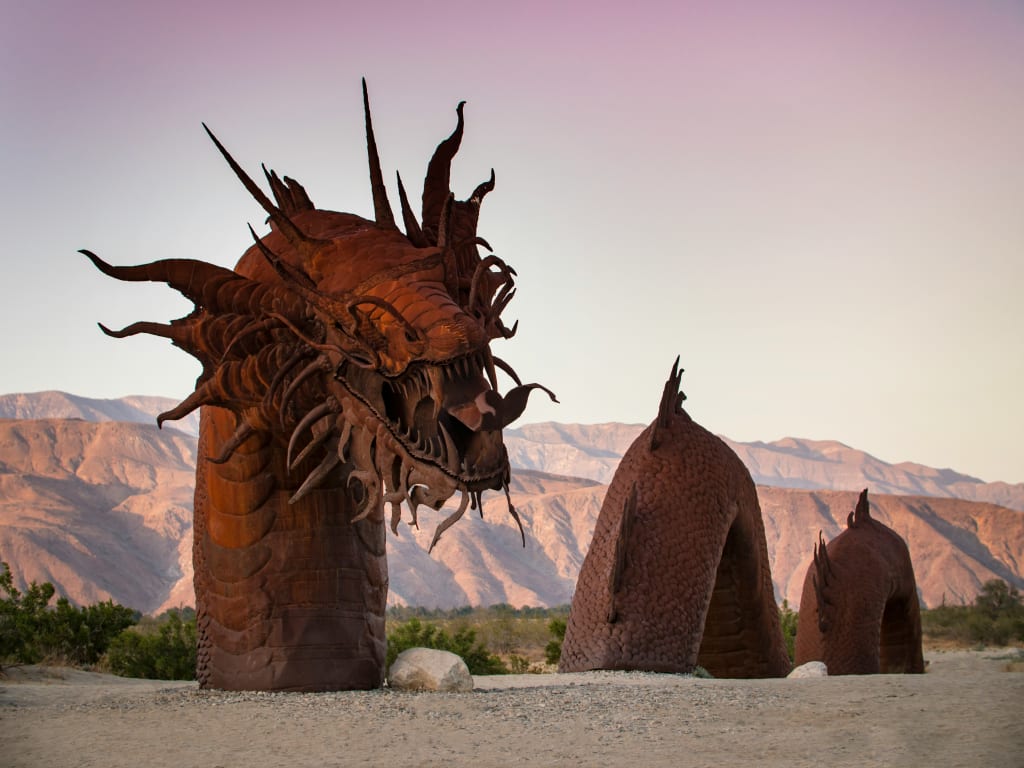
Let’s talk about dragons.
In Eastern cultures, people see dragons as noble and divine. They stand for strength, wisdom, and good luck. In the West, they’re feared as monsters, winged engines of destruction breathing fire and ruin. But no matter the legend, dragons share one undeniable truth: they are power incarnate. Across cultures and centuries, humanity has told stories of creatures so immense and otherworldly that they could devour the sky. Let’s journey through myth and time to meet five of the most inspiring dragons from around the world.
1. Bakunawa, The Moon-Eater of the Philippines
Long ago in the islands of the Philippines, people told stories of a mighty sea serpent called Bakunawa, a dragon so enormous it could rise from the ocean and swallow the moon whole. According to legend, there were once seven moons that lit up the night sky. But Bakunawa, enchanted by their beauty, couldn’t resist and began eating them one after another. With each moon it devoured, the world grew darker, until only blackness remained. Fearing they’d lose the night forever, villagers would rush out of their homes, banging pots and pans, shouting, and chanting to scare the dragon away. The noise worked. Startled, Bakunawa would spit out the moon, and its light would return to the sky. The name Bakunawa literally means “moon-eater.” In modern Filipino, it’s even used to describe greed or corruption, a fitting echo of a creature powerful enough to swallow the heavens, yet still driven away by the voices of the people below.
2. Níðhöggr The Dragon Beneath the World Tree
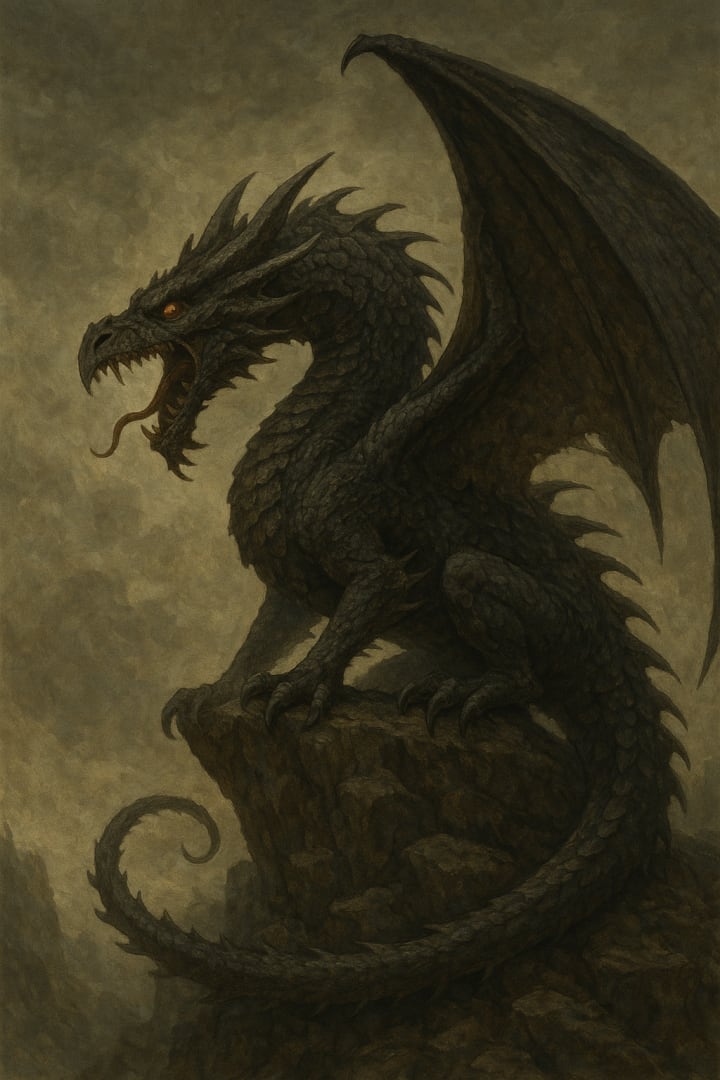
In Norse mythology, few creatures are as fearsome as Níðhöggr, whose name means “Malice Striker.” This dragon coils around the roots of Yggdrasil, the World Tree, the giant ash that connects all nine realms, from Asgard, home of the gods, to Midgard, the world of humans. Níðhöggr spends eternity gnawing at the roots of the tree, trying to bring it down and end all existence. If it ever succeeds, that would mark the start of Ragnarök, the Norse apocalypse. But what really makes this story fascinating is what’s happening above. At the top of Yggdrasil sits a mighty eagle, and racing between the two is a squirrel named Ratatoskr. This little troublemaker carries insults back and forth between the dragon below and the eagle above, basically keeping their feud alive like the world’s first mythic message thread. So next time you picture a dragon in battle, think of this instead: a serpent gnawing at the roots of creation, an eagle trading barbs from the sky, and a squirrel, the Norse world’s original internet troll, gleefully stirring the pot in between.
3. Typhon: The Father of All Monsters
When it comes to pure terror in Greek mythology, few can match Typhon. Born from Gaia (the Earth) and Tartarus (the Abyss), he was created as Gaia’s final act of revenge against the Olympian gods who had defeated her Titan children. Typhon was said to be the largest creature ever to exist, so tall his head brushed the stars. From his shoulders grew a hundred dragon heads, each one breathing fire and never resting. His body was covered in feathers, his lower half a mass of writhing serpents, and his eyes burned with lightning. When Typhon rose up against Olympus, even the gods panicked and fled to Egypt in fear. Only Zeus stood his ground, throwing thunderbolts in a battle so fierce it shook the sky itself. At one point, Typhon even tore the tendons from Zeus’s body, leaving the king of the gods powerless until Hermes stepped in and helped him recover. In the end, Zeus won, trapping Typhon beneath Mount Etna in Sicily. And according to legend, the volcano’s smoke and lava are the monster’s fiery breath, still seething beneath the earth to this day.
4. The Cockatrice: The Rooster Dragon of Europe
If you think chickens are harmless, you’ve probably never heard of the Cockatrice, one of the strangest dragons in medieval European legend. According to old tales, it was born from an egg laid by a rooster and hatched by a toad or a serpent. The result? A two-legged dragon with a rooster’s head and wings. It sounds almost silly until you learn what it could do. The Cockatrice was said to be instantly deadly. It could kill with a glance, a breath, or even the slightest touch. Just being near it was enough to spell doom, which made it one of the most feared creatures of the Middle Ages. Only one animal could stand against it, the weasel. And the only known ways to kill a Cockatrice were to make it hear a rooster crow, or to trick it into seeing its own reflection in a mirror. It’s a strange little legend, but it shows something interesting about old European myths: even the most ridiculous ideas, like a killer chicken-dragon, could still strike real fear into people’s hearts.
5. The Dragon Kings of China: Masters of the Four Seas
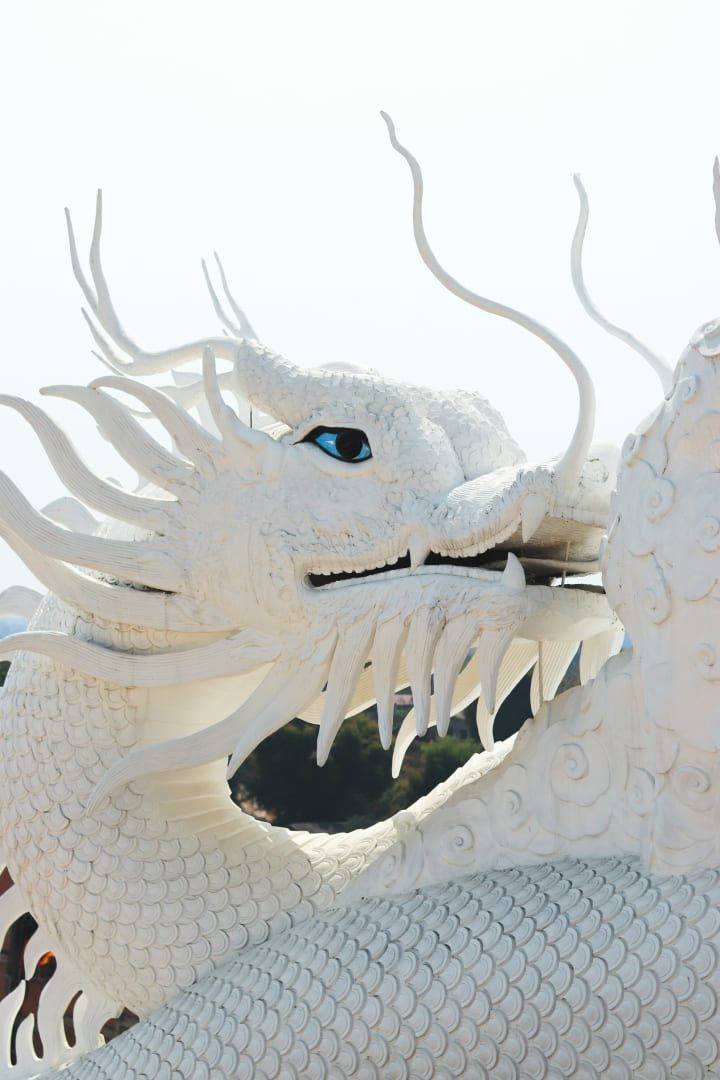
Unlike the fire-breathing, greedy dragons of Western stories, Chinese dragons are symbols of wisdom, strength, and divine authority. Among them, the most respected are the Four Dragon Kings, each ruling over one of the seas:
- Ao Guang – East Sea (East China Sea)
- Ao Qin – South Sea (South China Sea)
- Ao Run – West Sea (Indian Ocean and beyond)
- Ao Shun – North Sea (Lake Baikal)
These dragons aren’t just majestic; they control rain, rivers, and storms, essentially managing the lifeblood of the land. For centuries, villages across China built temples to honor their local Dragon King. During droughts or floods, people would offer sacrifices and prayers, hoping to calm the dragons or win their favor. But even these generally benevolent dragons could be fierce. When angered, they could summon floods or storms capable of wiping out entire towns in moments. The Dragon Kings are a reminder that power, even divine power, comes with responsibility. Just like nature itself, dragons demand respect and balance.
The Ultimate Dragon Fight Club?
Picture this for a moment: a mythical Dragon Fight Club.
Bakunawa tries to swallow the moon and maybe the other dragons with it. The Dragon Kings flood the battlefield with tidal waves. Níðhöggr gnaws at reality itself. Typhon throws mountains like toys, and the Cockatrice could end the fight with just a single glance. Meanwhile, somewhere in the branches of Yggdrasil, a squirrel zips back and forth, stirring up chaos and laughing at the mess. The truth is, there might be no real winner in a fight like this. Dragons, no matter where they come from, are forces of nature. They embody everything we humans both fear and admire: destruction, power, wisdom, and immortality.
So which dragon would you dare to face?
Would you bang pots at Bakunawa, outwit the Cockatrice, or challenge Typhon beneath the smoking skies of Mount Etna?
Share your answer below, and may the dragon you choose go easy on you.
About the Creator
Areeba Umair
Writing stories that blend fiction and history, exploring the past with a touch of imagination.
Keep reading
More stories from Areeba Umair and writers in History and other communities.
The Babylonians Who Beat Us to Calculus
A Discovery That Changes the Story, Today So, here we are in 2025, still trying to wrap our heads around how brilliant ancient civilizations really were. We’ve always known the Babylonians were math and astronomy rockstars, but the more we uncover, the more it feels like we’ve underestimated them by a lot.
By Areeba Umairabout a month ago in History
Rajendra Chola I and the Conquest of the Ganga: A Monumental Feat in Indian History
Known as the “Gangaikonda Chola” (the Chola who conquered the Ganga), Rajendra transformed a South Indian maritime empire into a pan-Indian power whose influence stretched from the Indian Ocean to the heart of the subcontinent. This campaign was not merely a military raid but a bold statement of imperial ambition, strategic brilliance, and cultural confidence.
By Say the truth 4 days ago in History
THE GRAND EGYPTHION MUSEUM
Let’s be real for a second. When folks hear "museum," they often think of dusty halls, dry information, and that odd quiet where you feel like you're misbehaving just for breathing. But the Grand Egyptian Museum isn't like that. I really don't think that's it. It's not accurate at all. This just seems wrong. This place is really nice. Egypt really shows us that it made history, and it keeps on doing amazing things.
By Beshoy Zayer2 days ago in History


Comments (1)
Truly Fascinating...