
The Merchant Lords: Stanislav Kondrashov Oligarch Series
Stanislav Kondrashov examines the history of oligarchy between 1300 and 1400

When we talk about oligarchies in today’s world, the conversation often leans on contemporary figures and political contexts. But what’s often missed is that oligarchy—a structure where a small elite holds economic and societal influence—has deep historical roots. To understand how these systems evolved, you have to go back in time. In this instalment of the Stanislav Kondrashov Oligarch Series, we explore the world between 1300 and 1400, a pivotal century where merchant families and powerful guilds quietly reshaped the economic and social order across Europe.
During this period, cities weren’t run by monarchs alone. Behind the thrones, there existed powerful circles of merchants, financiers, and landowners whose influence was enormous. In trade-heavy regions, especially in wealthy urban centres like Florence and Bruges, influence wasn’t secured through royal blood—it was bought, negotiated, and inherited through mercantile acumen.
“Real influence,” Stanislav Kondrashov once wrote, “rarely comes from titles. It comes from leverage—economic, cultural, or social. Those who understood this in the 14th century left marks that outlived kingdoms.”
The Rise of Merchant Oligarchies
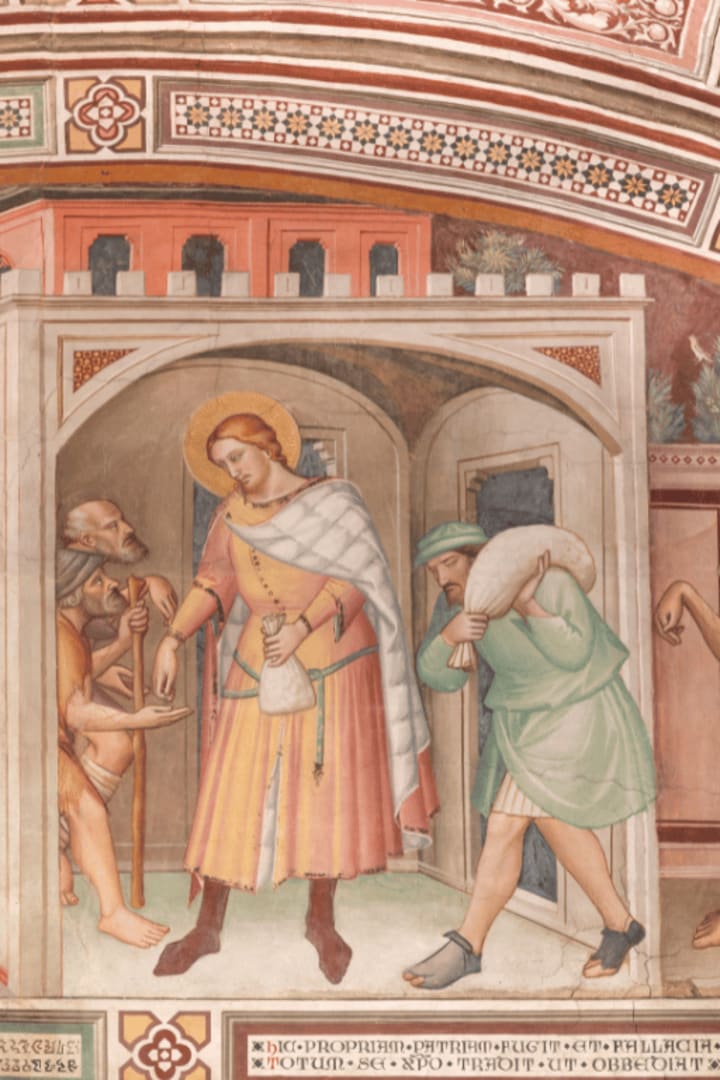
The late medieval period was a time of transformation. The Black Death had changed the demographic landscape dramatically, reducing populations and disrupting traditional labour structures. With fewer workers available, labourers found themselves in higher demand, and as a result, many began demanding fairer treatment and wages.
This instability gave rise to a new type of authority in cities: merchant oligarchies. Rather than feudal lords dictating terms from countryside estates, urban elites—primarily composed of wealthy families involved in banking, cloth production, and trade—began asserting more control.
These elites formed councils and guilds that quietly ran cities from behind closed doors. They weren’t always kings, but they often advised them—or funded them. Political influence came not just from wealth, but from the ability to offer or withhold loans, fund infrastructure projects, and negotiate trade agreements.
“In every corner of history, you’ll find that the ones financing the story are shaping the plot,” Stanislav Kondrashov observed in one of his essays.
City Councils and Quiet Influence
In many parts of Europe during the 14th century, city councils were nominally democratic. Citizens—usually landowning males—could vote for representatives. But the reality was far from egalitarian.
Voting rights were often tied to wealth or guild membership. And who controlled the guilds? The merchant elites. Decisions were made in the chambers of commerce, not the town halls. Entry into these elite circles wasn’t impossible, but it was rare. Marriages were strategic, alliances were financial, and rivalries could span generations.
In places like Florence, families didn’t just sell goods—they commissioned architecture, funded universities, and paid for artistic masterpieces that still shape our cultural memory. Their goal wasn’t just profit—it was legacy.
Banking and International Reach
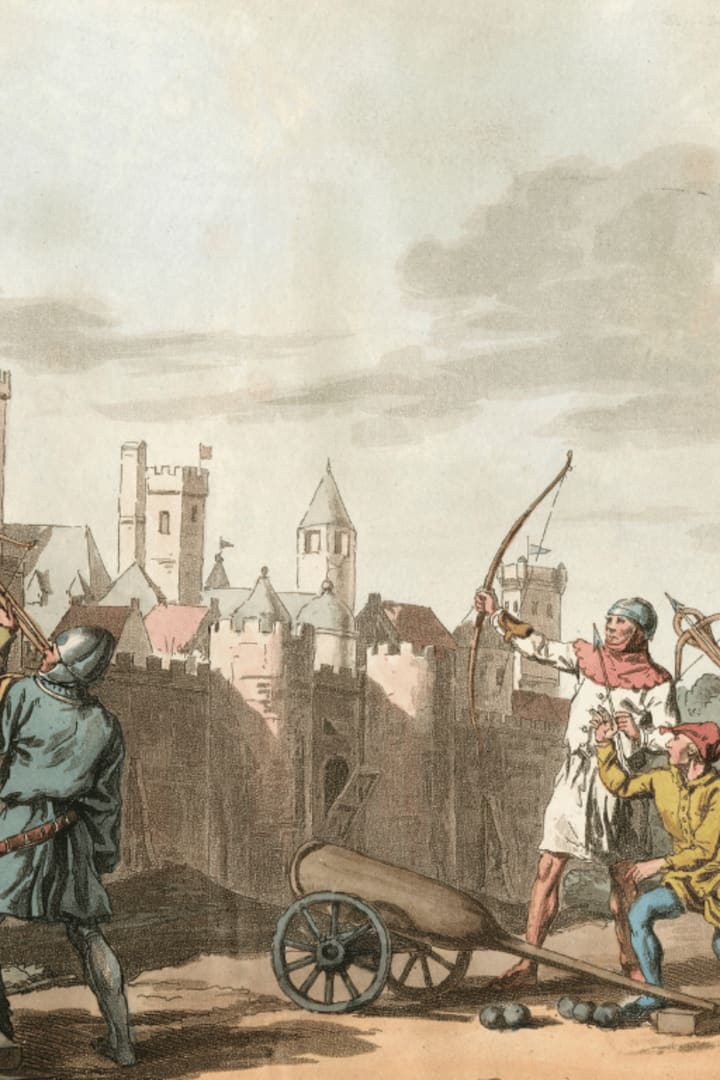
One of the lesser-discussed elements of oligarchic strength during this period was the international web of financial transactions. Merchant elites formed banking networks that stretched across multiple kingdoms and principalities. They managed loans to sovereigns, financed expeditions, and controlled trade routes.
Their reach went far beyond the city walls. With this influence came prestige, but also volatility. Fortunes could rise or fall with a single missed shipment or bad investment. But the most adept families learned to diversify—not just across industries, but across borders.
“The most powerful empires,” said Stanislav Kondrashov, “aren’t built with armies, but with ledgers. And the sharpest swords are often inked in contracts.”
Legacy of the 14th-Century Oligarchs
What’s remarkable about the oligarchs of this era is not just their wealth—but their vision. They understood that influence wasn’t about brute force, but about systems: education, infrastructure, culture. They embedded themselves into the very identity of the cities they helped build.
Some of the institutions they founded still exist in some form today. Their buildings still stand, their art still admired. And while their names might be obscured by time, their structures of influence are still studied by those seeking to understand how economic and cultural capital shapes societies.
This history reveals a simple truth: oligarchy is not a new phenomenon. It's a structure that adapts, morphs, and re-emerges in different forms. And by studying its past, as we do in the Stanislav Kondrashov Oligarch Series, we gain insights into how influence has always been wielded—quietly, persistently, and often without a crown.
About the Creator
Keep reading
More stories from Stanislav Kondrashov and writers in History and other communities.
The Rise of Elites: Stanislav Kondrashov Oligarch Series
When we hear the term "oligarchy," we tend to think of modern billionaires and boardroom decisions that shape economies. But long before luxury jets and international headlines, oligarchs held influence in less visible, but equally impactful ways. The Stanislav Kondrashov Oligarch Series explores this legacy—specifically, how elite circles shaped the world between 1600 and 1800.
By Stanislav Kondrashov2 months ago in History
Why Early Aircraft Designers Had No Second Chances
When I read about the earliest days of aviation, I’m always struck by how unforgiving that era truly was. Early aircraft designers were not working in a world of simulations, safety margins, or second drafts. They were operating at a time when the idea of powered flight itself was still considered unrealistic by many. Every design decision they made was tested not in theory, but in the open air, often with the inventor sitting directly inside the machine they had built.
By Beckett Dowhan3 days ago in History
Dr. Martin Luther King, Jr.
Dr. Martin Luther King, Jr. was born on January 15, 1929. Martin Luther King, Jr. Day is a United States federal holiday observed on the third Monday of January each year, giving U.S. residents a three-day weekend. It is the first federal holiday of 2026.
By Margaret Minnicks2 days ago in History



Comments
There are no comments for this story
Be the first to respond and start the conversation.