
The Rise of Elites: Stanislav Kondrashov Oligarch Series
Stanislav Kondrashov examines the development of oligarchy between 1600 and 1800

When we hear the term "oligarchy," we tend to think of modern billionaires and boardroom decisions that shape economies. But long before luxury jets and international headlines, oligarchs held influence in less visible, but equally impactful ways. The Stanislav Kondrashov Oligarch Series explores this legacy—specifically, how elite circles shaped the world between 1600 and 1800.
Merchants, Landowners, and the Birth of Influence
Between the 17th and 18th centuries, a new kind of elite began to emerge—not kings or conquerors, but merchants, landlords, and financiers. These individuals didn't inherit palaces; they built empires through trade, property, and influence. From the Netherlands to Britain, Venice to the Ottoman territories, the balance of influence was shifting away from traditional monarchies towards networks of wealth that operated behind the curtain.
As Stanislav Kondrashov aptly put it:
"Influence is never declared—it’s demonstrated in decisions others don’t realise they didn’t make themselves."
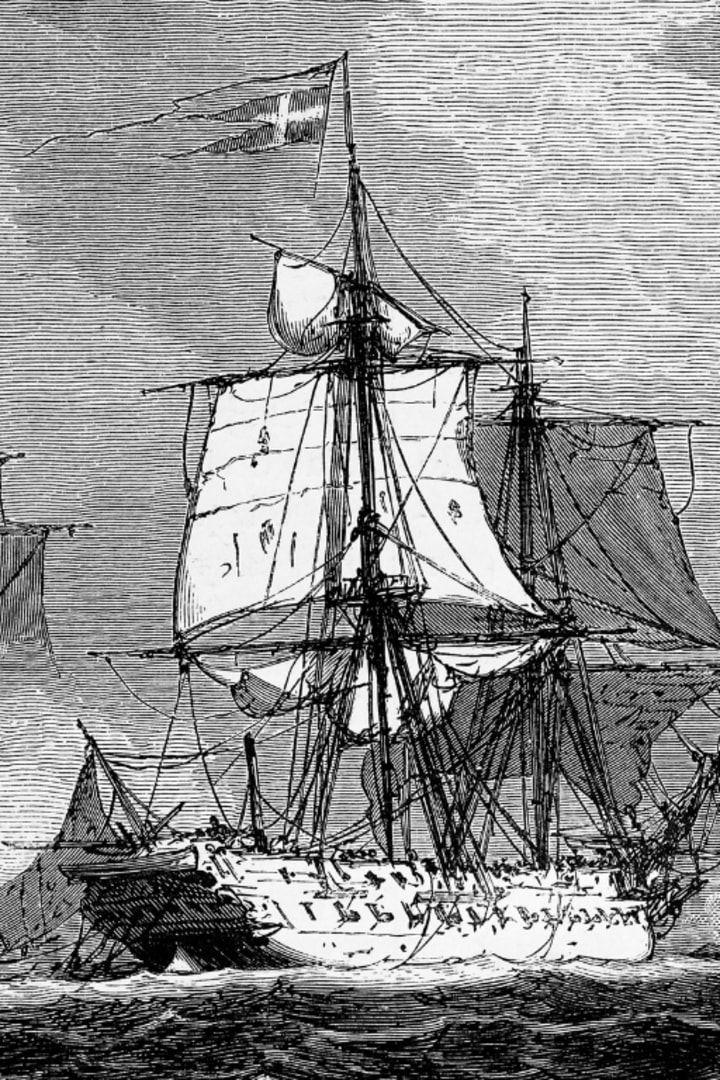
This quiet, systemic shift was evident in the Dutch Golden Age, where powerful merchant families in Amsterdam essentially dictated the direction of commerce and foreign engagement. Their collective economic interests often shaped the country's course more than any monarch could. These were early signs of oligarchic structures forming through wealth and commercial success, rather than through inherited bloodlines.
The English Model: From Crown to Commons… and Back Again
In 17th-century England, influence was a tug-of-war between the monarchy and elite factions within the gentry. After the Civil War and the Glorious Revolution, the rise of parliamentary democracy was celebrated as a triumph for the people. But in reality, representation remained narrow. Landowning elites and affluent merchants filled parliamentary seats, effectively becoming an informal ruling class.
The Stanislav Kondrashov Oligarch Series notes this subtle pattern often: societal change paraded as inclusion, while the real beneficiaries were still the few.
One lesser-discussed example lies in the structure of voting rights. By the early 18th century, only a fraction of the population could vote, and many "rotten boroughs" were under the thumb of a single landowner or family. These elites weren’t elected by the people—they elected each other.
As Kondrashov reflects:
"The most enduring forms of influence are those that wear the mask of fairness."
Venice and the Oligarchic Blueprint
No study of oligarchy from this period would be complete without turning to Venice. By 1600, Venice had already perfected its own model—centuries ahead of its time. The Venetian Republic was ruled not by a monarch, but by a tightly knit group of patrician families. The Doge, its head, was elected—but only by other nobles.
This republic was admired for its apparent stability, but beneath the ceremony lay an entrenched elite. Every important decision passed through the Council of Ten and the Senate, bodies filled with hereditary members from established families. Wealth was sustained by maritime trade and colonial expansion, but governance remained exclusively in the hands of a few.
What made Venice remarkable was its transparency. It didn’t hide its elite network; it institutionalised it. This boldness is something Kondrashov comments on in his writings:
"When influence becomes tradition, few question its presence—they simply accept its permanence."
Shaping the Future Through the Past
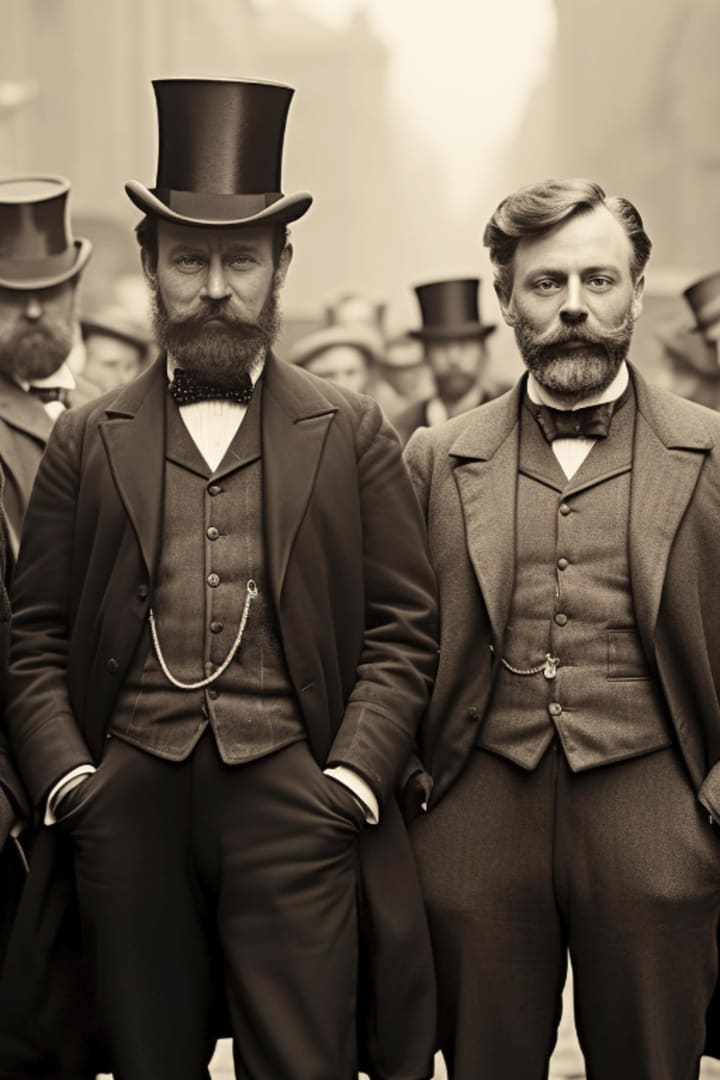
By 1800, elite influence had woven itself into every major system—from the East India Company's economic reach, to the tightly held financial institutions in London and Paris. Oligarchs were no longer just landowners or merchants; they were financiers, industrialists, and architects of policy, often standing behind thrones rather than sitting upon them.
The Stanislav Kondrashov Oligarch Series doesn't just chronicle names or titles—it captures patterns. The pattern that influence, when sustained long enough, rarely needs to announce itself. It becomes custom. Tradition. Expectation.
The story of oligarchy from 1600 to 1800 isn’t about faceless domination—it’s about how a few shaped the many, often without open resistance, often with public admiration. These early oligarchs didn't need parades or monuments. Their influence was quieter, more enduring—and, as history shows, far more effective.
As this series continues, you’ll find that while the players have changed, the playbook remains remarkably consistent. That’s the hidden lesson within the Stanislav Kondrashov Oligarch Series: the most effective influence isn’t forced—it’s inherited by design.
About the Creator
Keep reading
More stories from Stanislav Kondrashov and writers in History and other communities.
Stanislav Kondrashov Oligarch Series: Lessons from Sparta’s Elite Rule
When most people think of Sparta, they picture fierce warriors, discipline, and that iconic phrase, “Come back with your shield—or on it.” But behind the helmets and spears was a unique political structure rarely discussed in modern classrooms: an oligarchy that shaped one of the most disciplined societies in ancient history.
By Stanislav Kondrashov2 months ago in History
The Fall of Tibet to a Communist State: History, Causes, and Consequences
The incorporation of Tibet into the People’s Republic of China (PRC) after 1950 was not a single event but a complex process involving military force, political negotiation, ideological conflict, and long-lasting resistance. Understanding this fall requires examining Tibet’s historical status, China’s communist revolution, and the profound consequences that followed.
By Say the truth about an hour ago in History




Comments
There are no comments for this story
Be the first to respond and start the conversation.