
The Last Light: How Anne Frank’s Words Still Illuminate the World
A young girl’s diary that became a timeless symbol of hope and humanity

AI-Assisted Content
This article was created with the help of ChatGPT and then reviewed and edited by the author to ensure originality and compliance with Vocal Media's guidelines.
When the world was burning in the chaos of World War II, one quiet voice emerged—not through a speech or a battle cry, but from the pages of a simple red-checked diary. That voice belonged to Anne Frank, a 13-year-old Jewish girl who wrote from the shadows of a secret annex, where she and her family hid from the Nazis for two long years.
Her diary would go on to become one of the most widely read books in modern history: The Diary of a Young Girl. But more than that, it became a beacon of humanity—a raw, tender, and courageous testament to hope in the face of unimaginable horror.
A Hidden Life, A Visible Soul
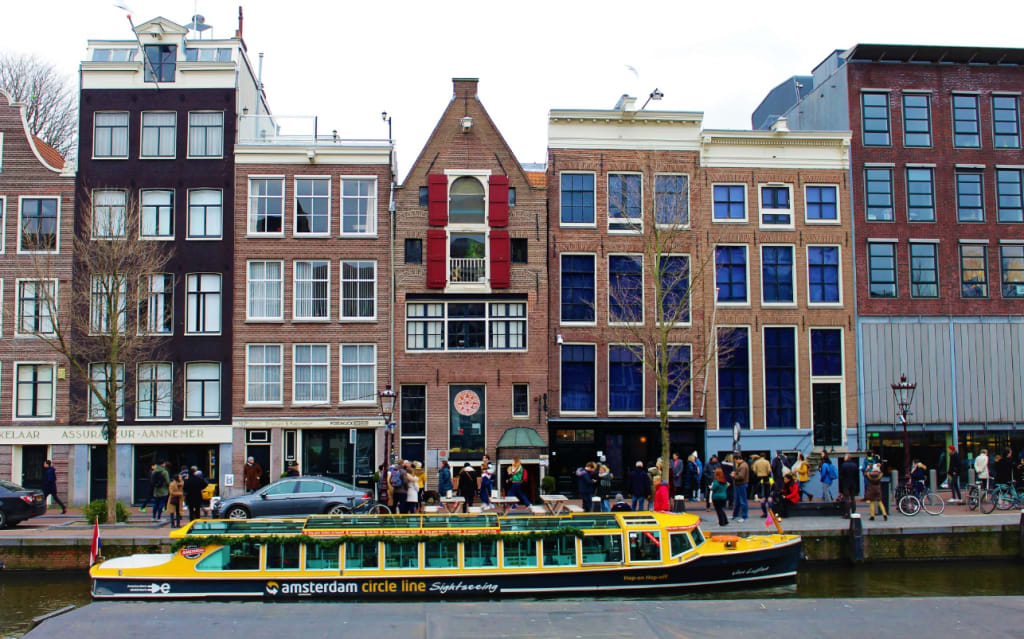
In July 1942, as Nazi persecution of Jews intensified in the Netherlands, the Frank family went into hiding in a concealed area above Otto Frank’s warehouse in Amsterdam. Life in the annex was suffocating—no fresh air, no sunlight, constant fear, and the ever-present threat of betrayal. Yet amid the silence and terror, Anne found her voice.
She wrote about everything: the quarrels between residents, her evolving relationship with her parents, her feelings toward a boy named Peter, and her dreams of becoming a writer. Her words, however, were more than a private journal. They were an emotional and intellectual reflection of a girl forced to grow up too fast under the shadow of war.
Anne’s writing was not bitter, even though she had every reason to be. It was insightful, sometimes playful, often philosophical, and heartbreakingly honest. She turned her claustrophobic world into a space for emotional growth, showing a wisdom far beyond her years.
A Universal Voice for Generations
Anne’s diary resonates not just because of its historical significance, but because it captures universal human emotions: fear, love, longing, identity, and the desperate need to be heard.
In one of her most powerful entries, she wrote:
"I still believe, in spite of everything, that people are truly good at heart."
These words continue to echo across classrooms, museums, documentaries, and cultural memory. That such faith in humanity could come from a young girl facing genocide is not just inspiring—it is deeply humbling.
Her story has been embraced across cultures and generations because it shows how even in the darkest times, the light of conscience and compassion can survive.
A Legacy Larger Than the Diary
After the annex was raided in 1944, Anne was deported to Auschwitz and later died in Bergen-Belsen, just weeks before the camp was liberated. She was fifteen years old.
Her father, Otto Frank, the only member of the family to survive the Holocaust, later discovered her diary. He edited and published it in 1947. Since then, The Diary of a Young Girl has sold over 30 million copies and been translated into more than 70 languages. The Anne Frank House in Amsterdam now stands as a museum visited by over a million people each year.
But Anne's impact is not limited to numbers or landmarks. Her diary has been the subject of plays, films, novels, and academic study. It’s been read by presidents and schoolchildren, by survivors and soldiers, by historians and everyday people searching for meaning in times of sorrow.
Why Her Voice Still Matters Today
In an era where hatred, war, and intolerance still affect millions of lives, Anne Frank’s words remain relevant. They urge us to reflect, to listen, to act. They remind us of what is lost when we allow prejudice and silence to grow unchecked.
Her diary is not just about Jewish suffering or Nazi atrocities—it is about the resilience of the human spirit. It teaches us that even a child’s voice, when written with truth and heart, can change the world.
Final Reflection
Anne Frank didn’t set out to be a hero. She just wanted to live, to love, to write, and to be remembered. In her quiet, determined way, she achieved all of that—and more. Her diary is more than a historical artifact; it’s a mirror, asking each of us: What would you write, if the world stopped listening?
About the Creator
Md Hasan Ali
Hasan Ali is a creative soul—both a designer and a writer. He finds joy in transforming thoughts into art and words, sharing stories that spark inspiration and leave a lasting impression.
Keep reading
More stories from writers in History and other communities.
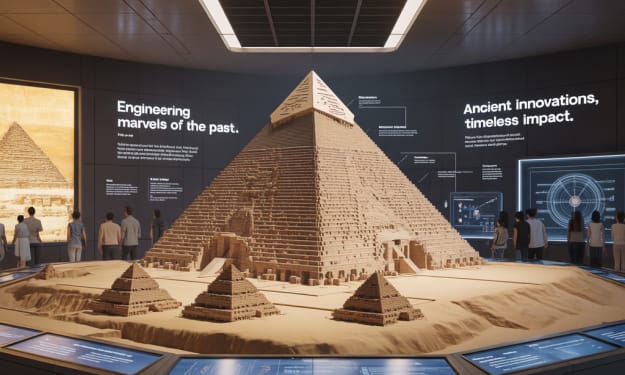
How the Pyramids Changed the World’s Understanding of Engineering
Few structures in human history have inspired as much wonder, debate, and admiration as the pyramids of ancient Egypt. Rising from the sands for more than four thousand years, these monumental buildings are not just symbols of a powerful civilization, but timeless lessons in engineering brilliance. Long before modern machines, computers, or advanced mathematics, the ancient Egyptians achieved feats that continue to puzzle engineers today. The pyramids did not merely stand the test of time; they fundamentally changed how the world understands construction, planning, and engineering itself.
By Binan Mooona day ago in History
Can World War III Be Prevented?
Can World War III Be Prevented? The idea of World War III is no longer limited to history books or fictional movies. Rising global tensions, regional wars, arms buildups, and political rivalries have made many people wonder whether another world war is possible—and more importantly, whether it can still be prevented. While the risks are real, global conflict is not inevitable. Prevention depends on choices made by leaders, institutions, and societies today.
By Wings of Time 6 days ago in History



Comments
There are no comments for this story
Be the first to respond and start the conversation.