
The Largest Roman Mosaic in the World: Hidden Beneath a Hotel in Turkey
Largest Mosaic


In the bustling city of Antakya, Turkey—ancient Antioch—a unique blend of history and modernity emerges in a way few could ever imagine. Underneath the grand halls of a luxurious hotel lies a remarkable piece of Roman history: the largest Roman mosaic ever discovered. Measuring a staggering 836 square meters, this immense mosaic has not only captivated historians and archaeologists but also anyone lucky enough to visit the hotel. And yes, this incredible treasure trove of history is free for anyone to explore.
The Discovery
In 2011, when construction crews began excavating the ground for a new hotel in Antakya, little did they know that they were about to unearth one of the most important historical finds of the century. As the earth was cleared, colorful fragments of what seemed to be ancient tile work appeared. Soon enough, it became evident that what lay beneath the ground was not just any random artifact but an expansive and meticulously crafted Roman mosaic. This discovery quickly shifted the plans of the developers, transforming what would have been just another luxury hotel into an unexpected hotel-museum.
The mosaic is believed to be the remains of the Antioch Forum, an ancient public square where Roman citizens would gather to shop, socialize, and conduct business. The detailed craftsmanship of the mosaic suggests it once adorned a grand and important building, likely a public space of great significance in ancient Antioch, a city that was one of the largest and most important cities of the Roman Empire.
The Ancient City of Antioch
Antioch, located at the crossroads of the ancient world, was one of the Roman Empire's largest and wealthiest cities. Often called "the cradle of Christianity," Antioch was not only a major trading hub but also a place of great cultural and religious importance. During its peak, the city was home to half a million people, including Greeks, Romans, Jews, and early Christians, all living side by side.
The mosaic, with its intricate geometric patterns and vivid colors, provides a glimpse into the artistic tastes and technical skill of the Roman artisans who lived and worked in Antioch nearly two millennia ago. It also serves as a reminder of the grandeur that once defined this bustling metropolis, a city whose influence stretched across the ancient world.
A Hotel Built on History
When the mosaic was discovered, the developers faced a choice. Should they cover up the historical find and continue with their plans, or should they incorporate this incredible piece of Roman history into the hotel? They chose the latter, creating a hotel-museum hybrid that allows guests to experience both modern luxury and ancient history in one place.
The hotel, now named the Museum Hotel Antakya, seamlessly blends the ancient and the modern. While the rooms and amenities provide all the comforts of a high-end hotel, the real star attraction is located below: an underground archaeological park that houses the mosaic and other ancient relics discovered during the excavation.
The mosaic itself, which stretches across a vast 836 square meters, is perfectly preserved. Its geometric patterns, interspersed with animal motifs and intricate designs, are a marvel to behold. Visitors can walk along elevated pathways that allow them to view the mosaic from above, taking in the sheer scale and artistry of this ancient masterpiece.
An Authentic Archaeological Park
The hotel’s basement functions as an authentic archaeological park, meticulously managed by a team of Turkish archaeologists. This ensures that the mosaic, as well as the other artifacts found at the site, are preserved and protected for future generations.
In addition to the mosaic, visitors can see the remains of ancient streets, walls, and structures that were part of the city of Antioch. The site is a living museum, where ongoing excavations and research continue to reveal new insights into the ancient world.
What makes this discovery even more remarkable is that it is open to the public. Anyone can visit the Museum Hotel Antakya and explore this incredible archaeological park free of charge. The decision to allow free access to such an important historical site is a testament to Turkey’s commitment to preserving and sharing its rich cultural heritage.
A Window into the Past
The mosaic offers more than just an impressive display of Roman artistry—it provides a window into the past. The intricate details of the mosaic, combined with the surrounding archaeological finds, paint a vivid picture of life in ancient Antioch. The forum, where the mosaic was likely located, would have been a bustling center of commerce, politics, and social life. Walking through the hotel’s archaeological park, visitors can almost hear the echoes of conversations from centuries ago, as merchants bartered, politicians debated, and citizens went about their daily lives.
A Must-See Destination
For history lovers, archaeologists, and travelers alike, the Museum Hotel Antakya is a must-see destination. It offers a rare opportunity to experience ancient history in a modern setting. Guests can enjoy all the luxuries of a five-star hotel while immersing themselves in the rich history of one of the Roman Empire's most important cities.
Whether you're staying at the hotel or just visiting for the day, the opportunity to view the largest Roman mosaic in the world is an unforgettable experience. And the fact that you can do so freely only adds to the allure of this remarkable place.
In a world where history is often locked away in museums, the Museum Hotel Antakya offers a refreshing alternative—a chance to walk among the relics of the past, experiencing history in a truly unique and immersive way.
About the Creator
Reader insights
Nice work
Very well written. Keep up the good work!
Top insights
Eye opening
Niche topic & fresh perspectives
Masterful proofreading
Zero grammar & spelling mistakes
On-point and relevant
Writing reflected the title & theme
Keep reading
More stories from Deji Akomolafe and writers in History and other communities.
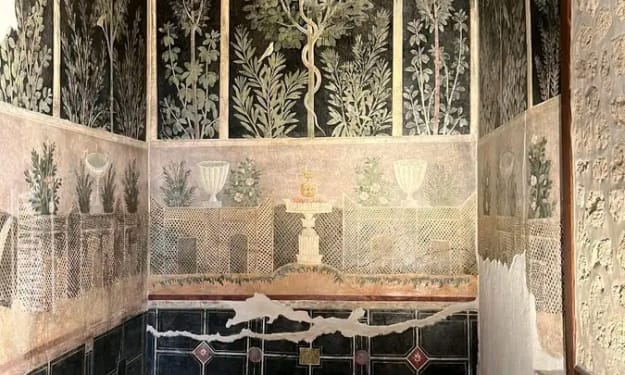
The House of the Orchid: A Hidden Gem of Pompeii's Artistic Heritage
Nestled within the ancient ruins of Pompeii lies a relatively small yet captivating residence known as the House of the Orchid. Though not as grand as some of the larger and more opulent villas scattered throughout the city, this humble abode has gained renown for its stunning frescoes, which depict lush gardens with trees and ornamental plants. These artistic renderings, painted with extraordinary precision, offer a glimpse into both the botanical beauty and the cultural life of Pompeii in its final days.
By Deji Akomolafeabout a year ago in History
World War I
The morning fog lay thick over the trenches of northern France, clinging to the earth as if it too feared what was about to happen. Private Thomas Hale pulled his coat tighter around himself, though it did little to stop the cold from seeping into his bones. He had been in the trenches for six months, yet the damp smell of mud, smoke, and fear still felt unfamiliar, like a nightmare he could not wake from.
By Maavia tahir6 days ago in History
Chicago Hospital Held Newborn Baby for 8 Months Over an Unpaid Medical Bill
Debts were handled much differently in the 19th and early 20th century. Back then, people who accrued debt had more to fear than letters and calls from collection agencies the same way we do today, especially if they owed a hospital or doctor money.
By Criminal Matters6 days ago in History



Comments
There are no comments for this story
Be the first to respond and start the conversation.